




How GLP-1 Medications Affect Your Pancreas: Amylase, Lipase & Enzyme Monitoring
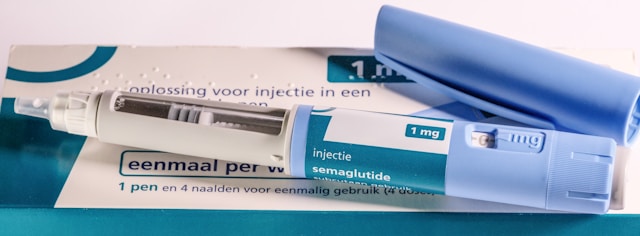
Glucagon-like peptide-1 (GLP-1) receptor agonists - medications such as Ozempic, Wegovy, and Mounjaro - have changed how we approach weight loss and type 2 diabetes. By improving insulin release, slowing the speed at which food leaves your stomach and helping control appetite and cravings, GLP-1 drugs can lead to significant improvements in blood sugar and body weight.
However, these same medications can also interact with the pancreas, the organ that not only produces insulin but also makes digestive enzymes, including amylase and lipase. Many people taking GLP-1s are surprised to see these enzymes show up on a lab report and feel understandably anxious when they read that levels are “elevated” or “borderline high.”
This article explains how GLP-1 medications affect the pancreas and pancreatic enzymes, what changes in amylase and lipase may mean, when it might be a red flag, and how ongoing pancreatic health monitoring can fit into a safer, more informed GLP-1 plan. We’ll also cover how an at-home pancreatic function test can give you clear, actionable data to share with your healthcare provider.
The Pancreas: hormone factory and digestive powerhouse
The pancreas is a long, flat gland that sits behind your stomach and quietly does two major jobs every day. First, it acts as an endocrine organ, releasing hormones such as insulin and glucagon into the bloodstream to keep your blood sugar within a healthy range. When blood sugar rises after a meal, insulin helps move glucose into cells; when blood sugar dips too low, glucagon signals the liver to release stored sugar back into circulation.
Second, the pancreas acts as an exocrine organ, producing digestive enzymes that flow into the small intestine. These enzymes break down carbohydrates, fats and proteins into smaller pieces your body can absorb. Among these enzymes, amylase helps break down starches and complex carbohydrates, while lipase plays a central role in digesting fats. Under normal conditions, only small amounts of these enzymes leak into the bloodstream, which is why they are useful markers of pancreatic activity on a blood test.
Because the pancreas has both hormone-producing and enzyme-producing roles, anything that affects it can potentially impact blood sugar, digestion or both. That is why the relationship between the pancreas, GLP-1 medications, and enzymes like amylase and lipase is so important to understand.
Amylase & Lipase: what they show about pancreatic health
When your clinician orders a blood test that includes amylase and lipase, they are essentially asking, “How happy is the pancreas right now?” Amylase, which is produced mainly by the pancreas and salivary glands, helps break long chains of carbohydrates into simpler sugars. Lipase, which is produced mostly by the pancreas, helps break fats into fatty acids and glycerol so they can be absorbed and used by the body.
In a healthy, stable situation, these enzymes stay within a relatively narrow range in the bloodstream. Levels that are slightly above or below a lab’s reference range can happen for many reasons and are not always serious. For example, dehydration, minor digestive upset, gallbladder issues, medications and past pancreatic irritation can all influence enzyme levels.
When amylase or lipase rise more noticeably, however, it can indicate that the pancreas is under stress or inflamed. This is why these enzymes are frequently checked if someone has acute, severe abdominal pain and their doctor is concerned about pancreatitis. That said, it’s important to remember that test results are only one part of the picture. How high the levels are, whether both amylase and lipase are elevated, what symptoms you have, and what your medical history looks like all matter in interpreting what the numbers mean for your pancreatic health.
How GLP-1 medications can influence amylase and lipase
GLP-1 receptor agonists were developed primarily to work on the endocrine side of the pancreas, especially the insulin-producing beta cells. By mimicking the body’s natural GLP-1 hormone, these drugs enhance insulin secretion when blood sugar is high, reduce glucagon release when it is not needed, and slow gastric emptying. Together, these actions help smooth out blood sugar swings and often reduce appetite.
Over time, researchers discovered that GLP-1 receptors are not limited to endocrine cells. They can also be found on acinar cells, which are the cells that produce amylase and lipase for digestion. When GLP-1 medications activate these receptors, it can lead to subtle changes in how these cells function, including how much enzyme they produce and how much ends up in the bloodstream.
In many clinical trials, people taking GLP-1 drugs experienced modest increases in amylase and lipase levels, often without any symptoms. In other words, the enzymes rose on lab tests, but the individuals felt fine and did not develop pancreatitis. This pattern, mild, asymptomatic enzyme elevations is relatively common among GLP-1 users and does not automatically mean that the medication is damaging the pancreas.
From a practical standpoint, this means that if you are taking a GLP-1 medication and your blood work shows slightly elevated amylase or lipase, your clinician will usually interpret those results in context. They will look at how high the levels are, whether they have changed over time, whether you have any abdominal pain, nausea or other symptoms, and whether you have prior history of pancreatic or gallbladder problems. A single, mildly abnormal result without symptoms may simply be something to note and monitor, rather than a reason to panic.
GLP-1 medications and pancreatitis: understanding the real risk
Pancreatitis (inflammation of the pancreas) can cause severe abdominal pain and can sometimes be serious. Naturally, any suggestion that GLP-1 medications could raise the risk of pancreatitis has received a lot of attention. Early case reports and observational data raised alarms, but larger randomized trials and follow-up analyses have painted a more nuanced picture.
Today, the general consensus is that the absolute risk of pancreatitis with GLP-1 therapy appears low, especially when compared to the significant benefits these medications can offer for people with obesity and type 2 diabetes. However, the risk is not zero, and it may be higher in certain individuals. People with a personal history of pancreatitis, very high triglycerides, gallstones, heavy alcohol use or existing pancreatic disease may be more vulnerable.
Because the risk is small but real, it is crucial to know the warning signs. Sudden, intense pain in the upper abdomen that may radiate to the back, persistent nausea and vomiting, a rapid heart rate, fever, or severe tenderness in the mid-abdomen are all symptoms that warrant urgent medical evaluation - whether or not you are taking a GLP-1 medication. If you are on a GLP-1 and experience these symptoms, it is essential to seek care immediately rather than waiting for the next routine appointment.
It is also important to recognize that mild elevations in amylase or lipase, particularly less than three times the upper limit of normal in someone without symptoms, are often not considered dangerous on their own. Many people on GLP-1 drugs fall into this category. In those cases, the focus tends to be on regular monitoring, lifestyle support, and open communication with the prescriber rather than automatically stopping the medication.
Why regular enzyme monitoring matters when using GLP-1
Even if you feel well, keeping an eye on amylase and lipase can be a proactive way to support your pancreatic health while using a GLP-1 medication. Monitoring these enzymes provides a more complete picture of how your body is responding beyond just weight and blood sugar readings.
For someone already using a GLP-1 for weight loss or diabetes, enzyme monitoring can serve as an early signal of significant changes that should be discussed with a healthcare provider. For individuals who have had prior pancreatic issues or conditions that affect the gallbladder and triglycerides, tracking amylase and lipase regularly can add an extra layer of reassurance. Even for those considering starting GLP-1 therapy, establishing a baseline before treatment begins can be helpful when comparing future results.
Regular testing doesn’t mean you are waiting for something to go wrong; it means you are actively engaged in your health, using information to guide decisions. If enzyme levels remain stable, both you and your clinician gain confidence. If they shift noticeably, that information can prompt further evaluation, temporary pauses, dose adjustments, or additional imaging when appropriate. In short, monitoring amylase and lipase transforms vague worry about the pancreas into tangible data that can be discussed calmly and rationally.
Supporting safer GLP-1 use with a pancreatic function test
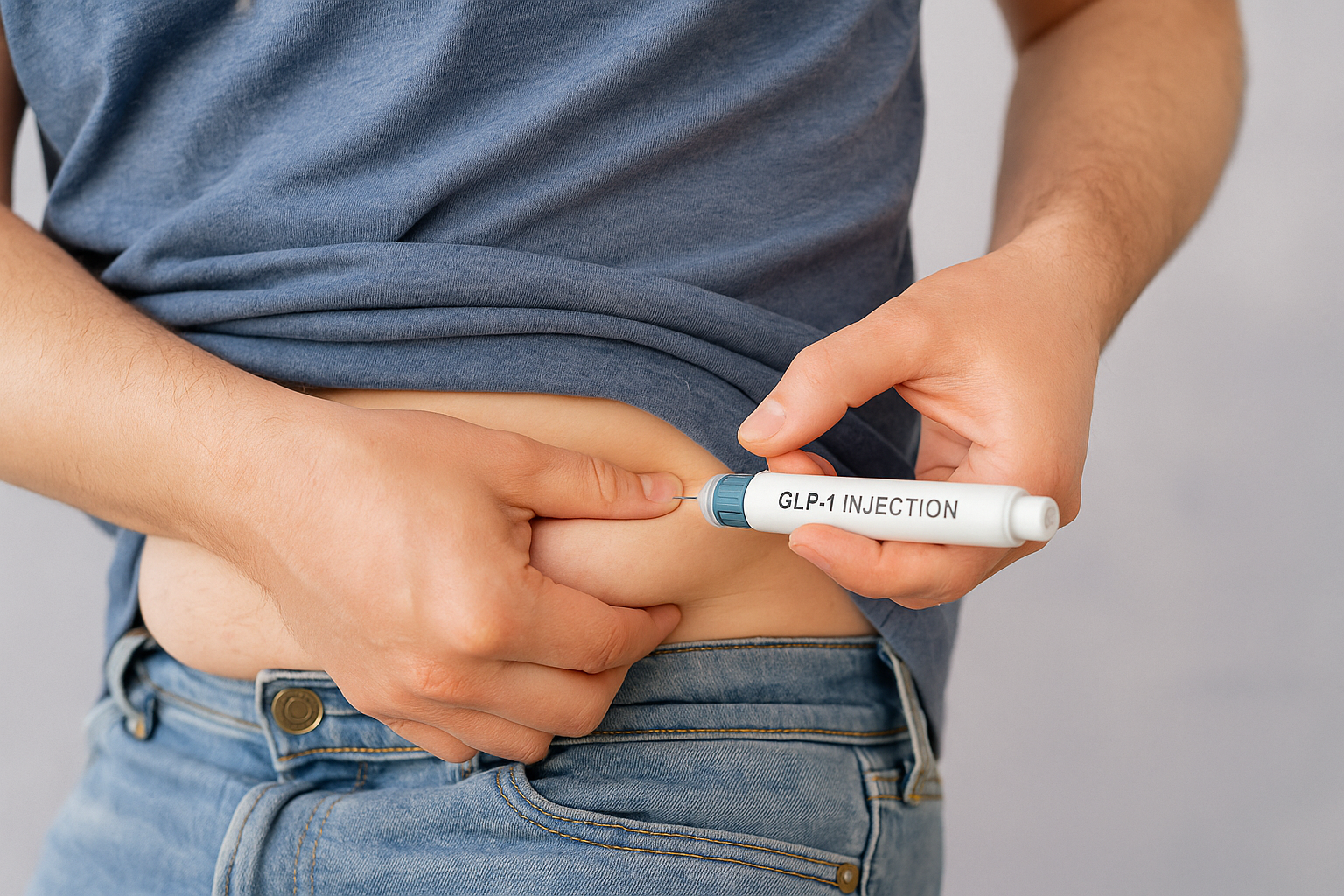
If you are using, or thinking about using, a GLP-1 medication such as Ozempic, Wegovy or Mounjaro, questions about your pancreas are completely understandable. These drugs influence insulin and blood sugar, but they can also affect the enzyme-producing side of the pancreas, which is why amylase and lipase are so important to watch.
The Choose Health Pancreatic Health & Function Test offers a simple, at-home way to check these key pancreatic enzymes without needing a traditional lab visit. Using a quick finger-prick sample, you can measure amylase and lipase, receive clear, easy-to-understand results that have been reviewed by board-certified clinicians, and bring that information to your next appointment. Instead of guessing how your pancreas is handling GLP-1 therapy, you and your provider can review actual numbers together and make decisions based on data.
This test does not diagnose pancreatitis and does not replace medical care, but it can be an invaluable part of a broader monitoring strategy if you are on a GLP-1 or planning to start one. By keeping track of your enzyme levels over time, you can support safer, more informed GLP-1 use and feel more confident that your pancreatic health is being taken seriously - not just your weight and blood sugar.