



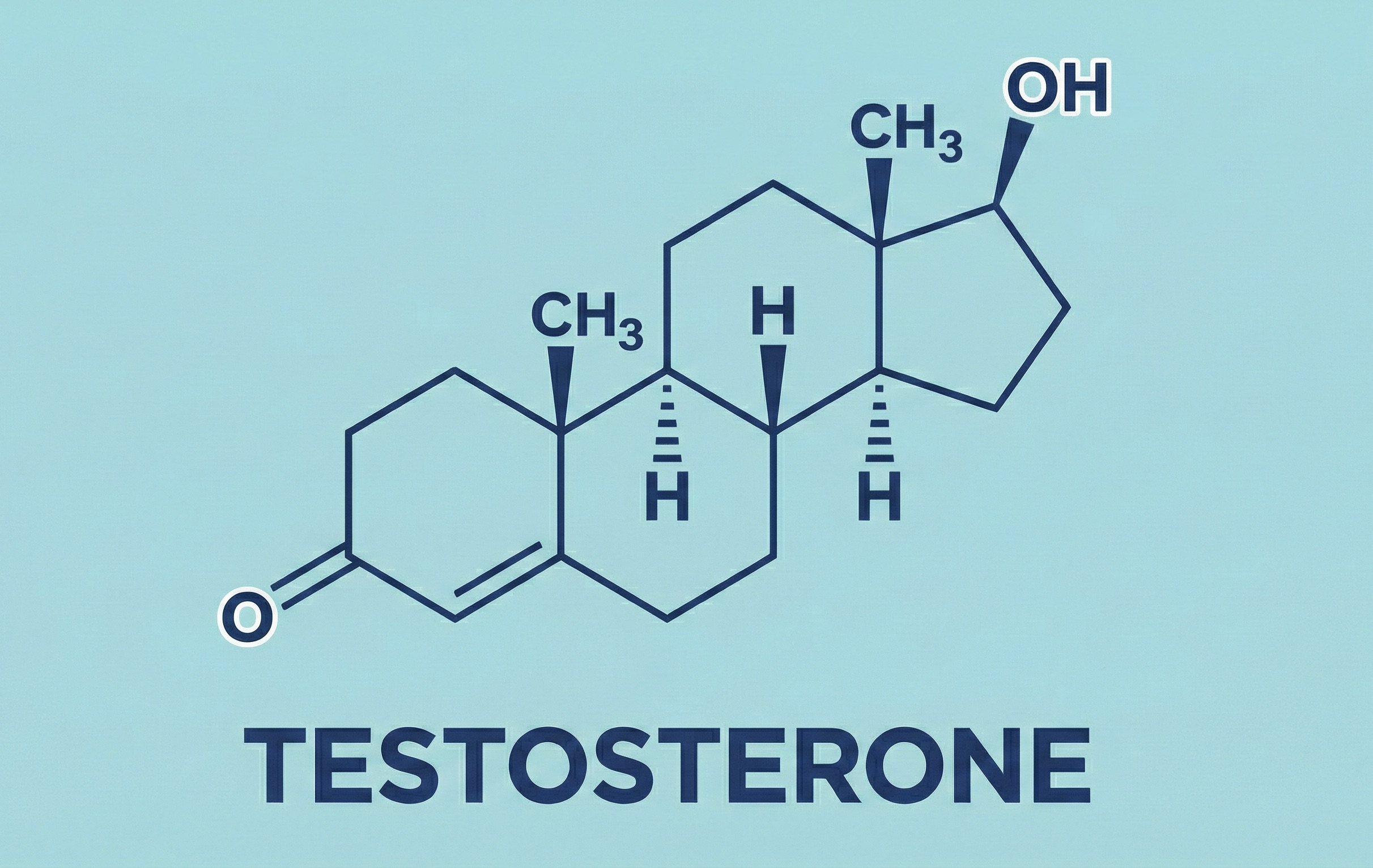
When testosterone rises too high or drops too low, you experience symptoms. A female hormone test can show whether your testosterone level causes those symptoms.
What You'll Learn:
- What testosterone does in women's bodies
- Symptoms of high and low testosterone
- Free vs. total testosterone testing
- Normal testosterone ranges for women
What Testosterone Does in Women
Testosterone is produced by your ovaries and adrenal glands. Women need testosterone for libido, bone strength, muscle mass, and energy.
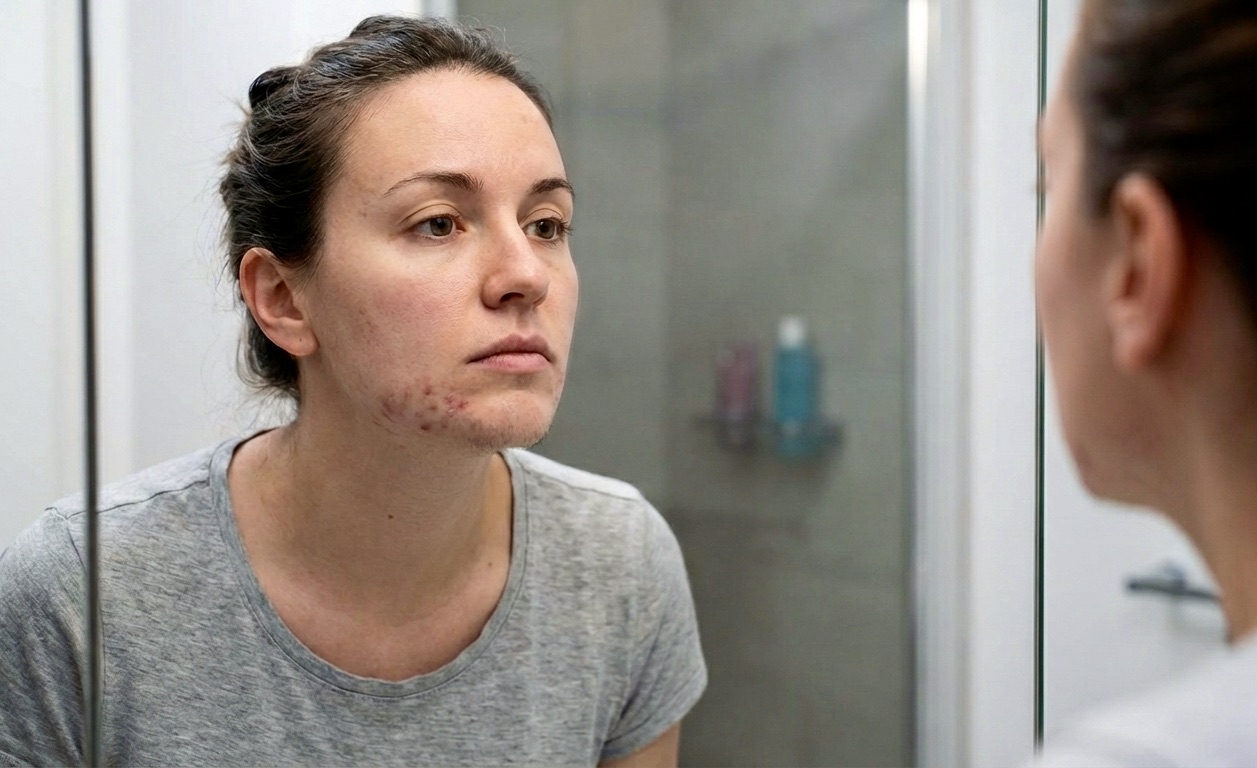
Too much testosterone disrupts your menstrual cycle. It interferes with ovulation and causes PCOS symptoms. Too little testosterone causes fatigue and low sex drive.
Free vs. Total Testosterone
Two types of testosterone tests exist: total and free.
Total testosterone measures all testosterone in your blood. Most testosterone binds to proteins like SHBG (sex hormone-binding globulin) and albumin. Bound testosterone can't be used by your body.
Free testosterone measures testosterone not bound to proteins. This is the "active" form. Free testosterone makes up about 2-3% of total testosterone.
For women with high testosterone symptoms, total testosterone usually provides enough information. If total testosterone is borderline normal but symptoms persist, free testosterone and SHBG testing reveal whether enough active testosterone is available.
Birth control pills raise SHBG levels. This binds more testosterone and can lower free testosterone even when total testosterone appears normal.
Testosterone Normal Ranges for Women
Normal testosterone levels for women are much lower than for men.
Total testosterone for women: 15-70 ng/dL
Levels above 70 ng/dL suggest high testosterone. Levels above 200 ng/dL require evaluation for testosterone-producing tumors.
Free testosterone for women: 0.7-3.6 pg/mL
Levels above 3.6 pg/mL indicate elevated free testosterone.
Labs use different reference ranges. Always compare your results to your specific lab's ranges. Age also affects normal testosterone. Levels decline gradually after age 30.
When to Test Testosterone
Test testosterone in the morning between 7-10 AM. Testosterone is highest in the morning and drops throughout the day.
You can test on any day of your cycle. Unlike estrogen and progesterone, testosterone doesn't fluctuate dramatically throughout the menstrual cycle.
If you're on hormonal birth control, testosterone testing is still meaningful. Birth control doesn't suppress testosterone production the way it suppresses estrogen and progesterone.
For complete timing guidance, see our guide to female hormone testing.
How At-Home Testosterone Testing Works
At-home testing measures testosterone using the same lab analysis as traditional blood draws.
Choose Health's complete female hormone test measure total testosterone. You collect a finger-prick blood sample in the morning. Mail the sample to a CLIA-certified lab. Results arrive in 3-5 days.
Your dashboard explains what your testosterone level means for your age. You track testosterone over time to see patterns.
Testing at home lets you test in the morning without appointments.

What to Do After Testing
Results need interpretation with your symptoms.
If testosterone is high and you have PCOS symptoms, discuss treatment with your healthcare provider. Lifestyle changes help. Weight loss improves insulin sensitivity and often lowers testosterone. Some women need medications like metformin or birth control pills.
If testosterone is low and you have symptoms, your provider may recommend testosterone therapy. The FDA hasn't approved testosterone therapy for women, but some providers prescribe it off-label for low libido and fatigue.
If you're trying to conceive and have high testosterone, your provider can discuss fertility treatments that help restore ovulation.
Track testosterone over time. Single tests provide snapshots. Patterns show whether lifestyle changes or treatments work. Testing at a 3 month cadenceallows you to get true insights into how testosterone in your body is occuring.
.png)