



Hormone testing identifies what's causing your symptoms. The challenge is knowing which hormones to test.
What You'll Learn:
- Which core hormones regulate women's health
- How to match your symptoms to the right hormone tests
- The difference between basic and comprehensive panels
- When to test specific hormones based on your situation
The Core Hormones Every Woman Should Know
Several hormones regulate your reproductive system, metabolism, and overall health. Each hormone reveals different information about what's happening in your body.
Sex Hormones
Estradiol (E2) - The primary estrogen during reproductive years. Your ovaries produce it. Estradiol regulates your menstrual cycle and affects bone health, mood, and metabolism. Low estradiol causes irregular periods, hot flashes, and vaginal dryness.
Progesterone - Produced after ovulation. Progesterone supports pregnancy and rises in the second half of your cycle. Low progesterone prevents ovulation or causes early pregnancy loss. Testing confirms whether you ovulated.
Testosterone - Women produce testosterone in smaller amounts than men. It affects libido, energy, and mood. High testosterone often indicates PCOS. It causes acne, excess hair growth, and irregular periods.
Pituitary Hormones
FSH (Follicle-Stimulating Hormone) - Stimulates follicle growth in your ovaries each cycle. Testing FSH on day 3 reveals ovarian function. High FSH indicates low ovarian reserve or perimenopause.
LH (Luteinizing Hormone) - Triggers ovulation mid-cycle. The ratio of LH to FSH diagnoses PCOS. Women with PCOS often have LH levels two to three times higher than FSH.
Other Important Hormones
DHEA-S (DHEA-Sulfate) - Your adrenal glands produce DHEA. It converts to testosterone and estrogen. High levels cause symptoms similar to high testosterone. Testing DHEA-S identifies whether high androgens come from your ovaries or adrenal glands.
Cortisol
Cortisol is your body’s main stress hormone. It helps regulate blood sugar, energy levels, immune response, and sleep-wake cycles. Chronic stress can disrupt cortisol patterns, which may interfere with ovulation, worsen fatigue, and contribute to mood changes or weight gain. Cortisol testing provides important context when symptoms don’t fully match reproductive hormone levels.
Thyroid & Metabolic Context
Thyroid-Stimulating Hormone (TSH)
TSH reflects how your brain communicates with your thyroid. Thyroid signaling influences menstrual regularity, ovulation, metabolism, and energy levels. Even mild thyroid dysfunction can cause symptoms that overlap with hormone imbalance, making TSH an important part of a complete hormone assessment.
Vitamin D
Vitamin D functions more like a hormone than a vitamin. It supports bone health, immune function, insulin sensitivity, and hormone signaling. Low vitamin D is common and has been linked to menstrual irregularities, fertility challenges, and mood changes. Including vitamin D adds valuable context to overall hormone health.

Which Hormones to Test Based on You
How At-Home Testing Works
At-home hormone testing provides the same results as traditional lab work. You control the timing and test on the right day of your cycle.
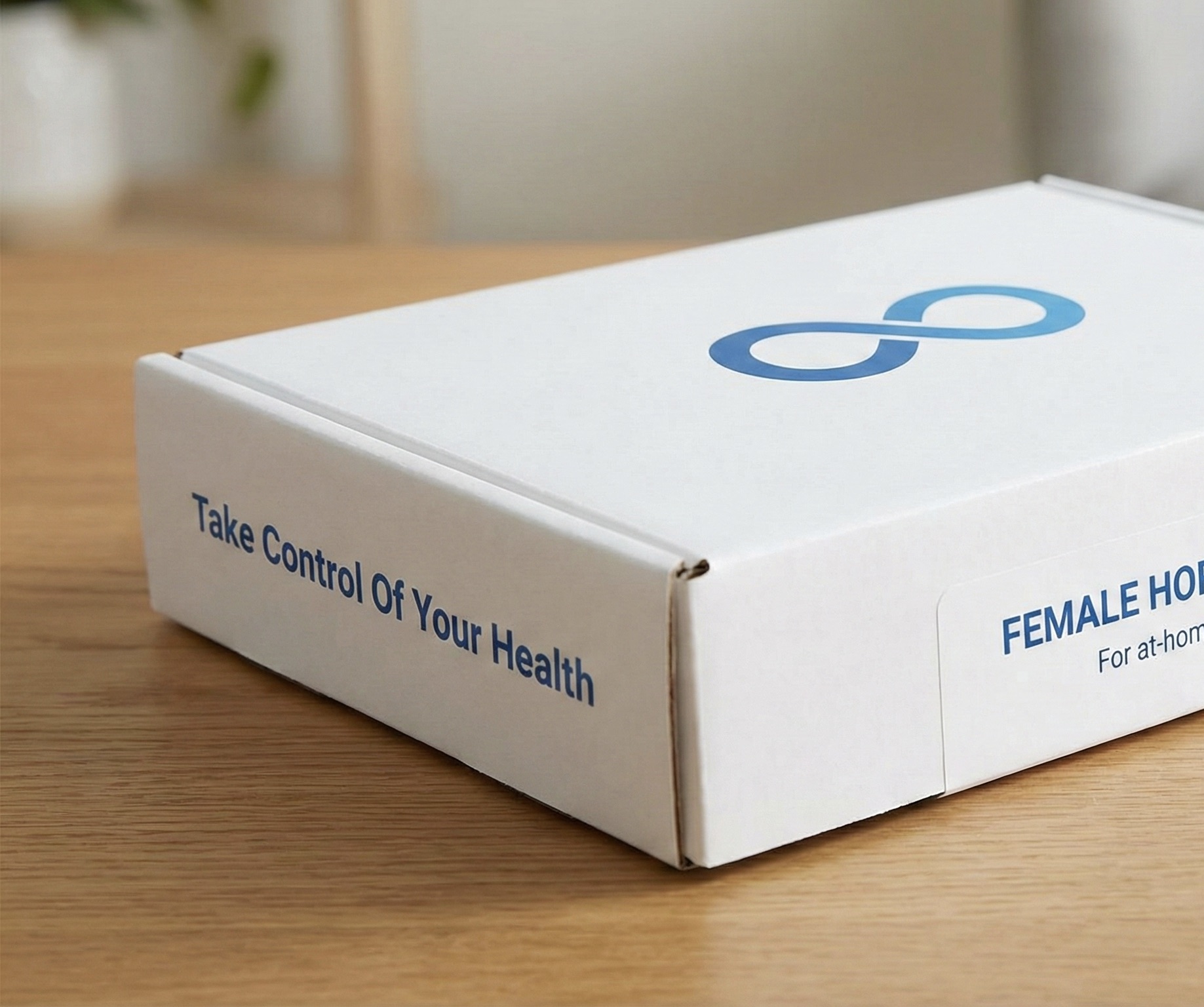
Choose Health measures core reproductive hormones. You collect a finger-prick blood sample at home and mail it to a CLIA-certified lab. Results arrive in 3-5 days. Your dashboard tracks results over time and explains what each level means.
Testing at home lets you test on day 3 or day 19-22 without appointments. For details on timing and interpreting results, see our complete guide to female hormone testing.
When to Talk to Your Healthcare Provider
Hormone testing provides information. Interpreting results requires context.
If your results show abnormal levels, discuss them with your healthcare provider. They'll consider your symptoms, medical history, and test results together. Hormone imbalances often respond to lifestyle changes, medication, or hormone therapy.
If you're trying to conceive and tests show low ovarian reserve, your provider can discuss fertility treatments. If you're experiencing perimenopause, they can explain whether hormone replacement therapy might help.

Test the Right Hormones for Your Situation
Match your symptoms to the relevant hormones. Start with a focused panel if your symptoms are clear. Consider comprehensive testing if you have multiple unexplained symptoms.
Testing at home gives you control over timing. You can track changes across multiple tests. This matters when you're identifying patterns or monitoring how lifestyle changes affect your hormones.
Ready to test your hormone levels?
Choose Health offers at-home hormone testing with clear explanations of your results.
.png)