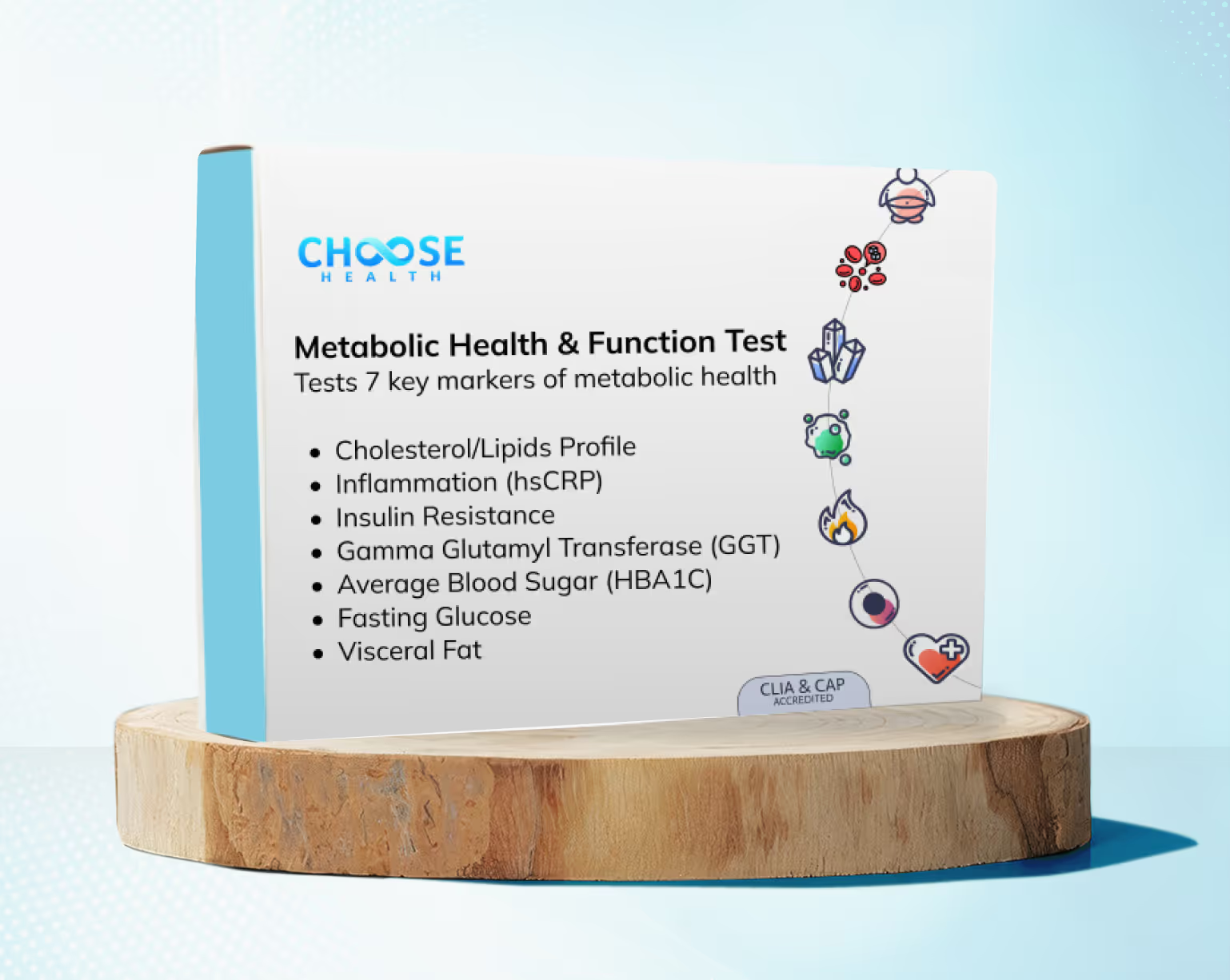
Core Metabolic Test



A key marker of cardiovascular health. This cholesterol (or lipid) panel measures your total cholesterol, HDL, LDL and triglycerides, showing how fats are moving through your blood and how they affect heart risk.

Estimated from your triglyceride-to-HDL ratio, a validated marker of insulin resistance. When cells stop responding well to insulin, it raises the risk of cardiovascular disease and is a precursor to type 2 diabetes.

An enzyme found mainly in the liver and bile ducts, as well as the kidneys, pancreas, heart and brain. GGT is a sensitive marker of oxidative stress and one of the earliest signals of liver or bile duct strain.

Your average blood glucose over the past two to three months, measured by HbA1c. It gives a longer view than a single glucose reading and is a key marker used to identify your risk for prediabetes and type 2 diabetes.

High-sensitivity C-reactive protein measures general levels of inflammation in your body. Elevated hsCRP can help assess the risk or presence of liver fibrosis, chronic liver disease, cardiovascular disease and more.

Your blood sugar after an overnight fast, used to screen for prediabetes and diabetes. Over time, high blood sugar can damage the tiny blood vessels in your kidneys, gradually reducing their ability to filter waste.

Fat stored deep around your internal organs, including your heart, liver and intestines. Unlike fat under the skin, visceral fat releases inflammatory chemicals and hormones that raise metabolic and cardiovascular risk.