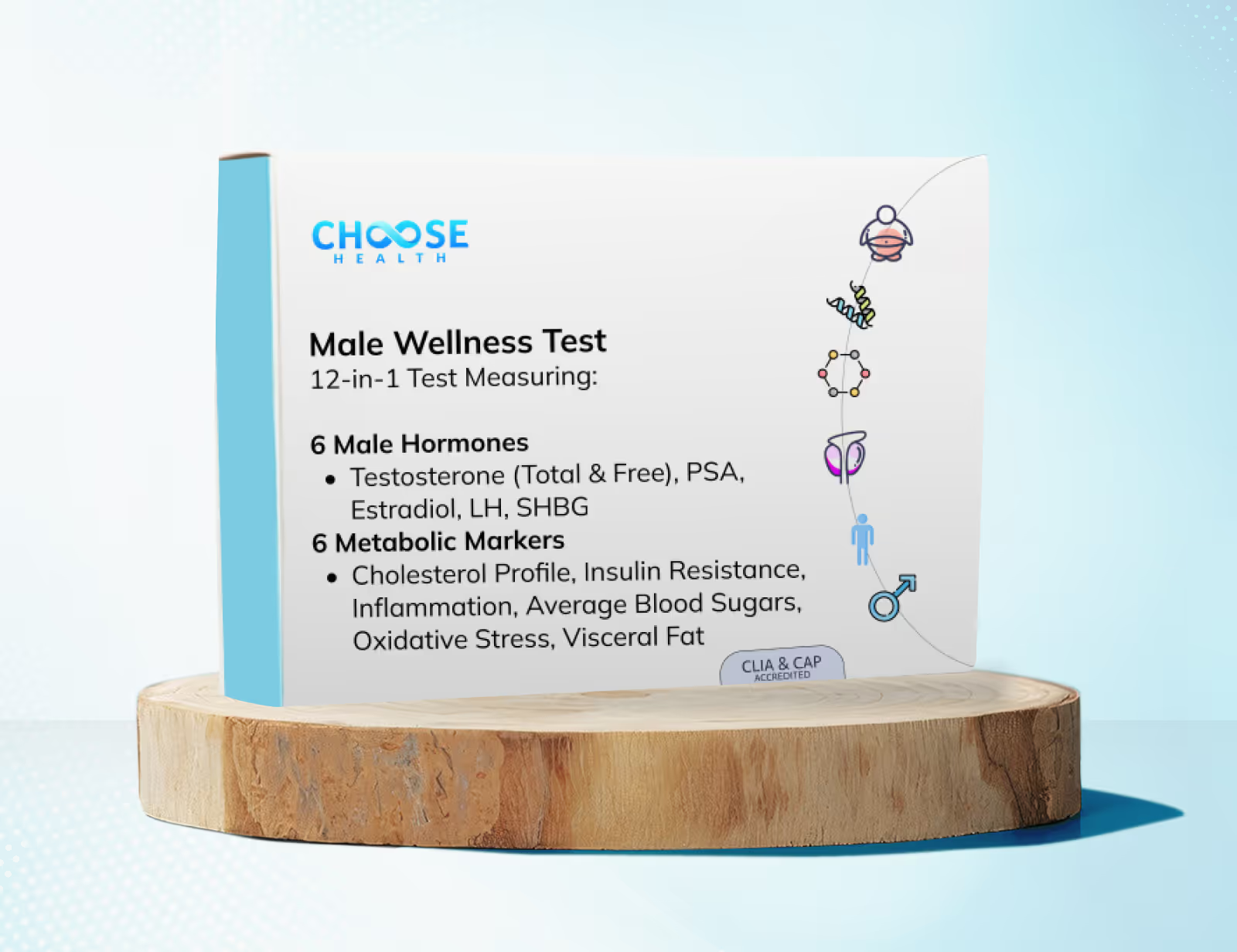
Male Wellness Test


A key sex hormone in every body - the driver behind sex drive, muscle mass, bone density, mood and energy. Total testosterone is the headline number, but it only tells the full story alongside free testosterone and SHBG.

The small fraction of testosterone not bound to proteins and free to act on your cells. It's the portion that drives energy, libido, muscle and mood, so it can reveal imbalances a total testosterone result might miss.
.avif)
A protein made by the prostate gland that normally helps liquefy semen. In a healthy prostate, only very small amounts reach the bloodstream, so rising PSA can signal inflammation, enlargement or other prostate changes.
.avif)
A protein made by the liver that binds sex hormones like testosterone and estradiol, controlling how much is free for your tissues to use. High or low SHBG can explain symptoms even when total hormone levels look normal.

The most potent form of estrogen, present in every body. Estradiol supports reproductive health, menstrual cycles and fertility, and also plays a key role in bone density, heart health, mood, brain function and libido.
.avif)
LH is a hormone made in the pituitary gland. LH is one of the main sex hormones and can trigger and promote ovulation in females.
Cholesterol is a key maker of cardiovascular health. A cholesterol (or lipid) panel measures the amount of Total Cholesterol, HDL, LDL and Triglycerides in your blood.

An elevated TG/HDL ratio has been regarded as one of the valid markers for Insulin resistance. Insulin resistance leads to increased risk of cardiovascular disease and is a precursor for type-2 diabetes.

Highly sensitive C-Reactive Protein measures general levels of inflammation in your body and can assess the risk or presence of liver fibrosis, chronic liver disease and other issues.

Average blood glucose (sugar) levels for the last two to three months. It is measured by HBA1C levels and is used as a risk factor for diabetes or prediabetes.

GGT is an enzyme found in high levels in the liver, kidney, pancreas, heart, and brain. It is a measurement for oxidative stress and can help detect diseases in the liver or bile ducts.

Visceral Fat is stored around your internal organs, including your heart, liver and intestines. Visceral fat makes chemicals and hormones that can be toxic to the body.