








AS SEEN ON





HSA/FSA accepted
Borem ipsum dolor sit amet, consectetur adipiscing elit. Nunc vulputate libero et velit interdum, ac aliquet odio mattis.
Free shipping
Borem ipsum dolor sit amet, consectetur adipiscing elit. Nunc vulputate libero et velit interdum, ac aliquet odio mattis.
Your health insights,
in three simple steps.
Collect your sample at home, send it to our lab and recieve results securely online in a matter of days.
Collect your sample
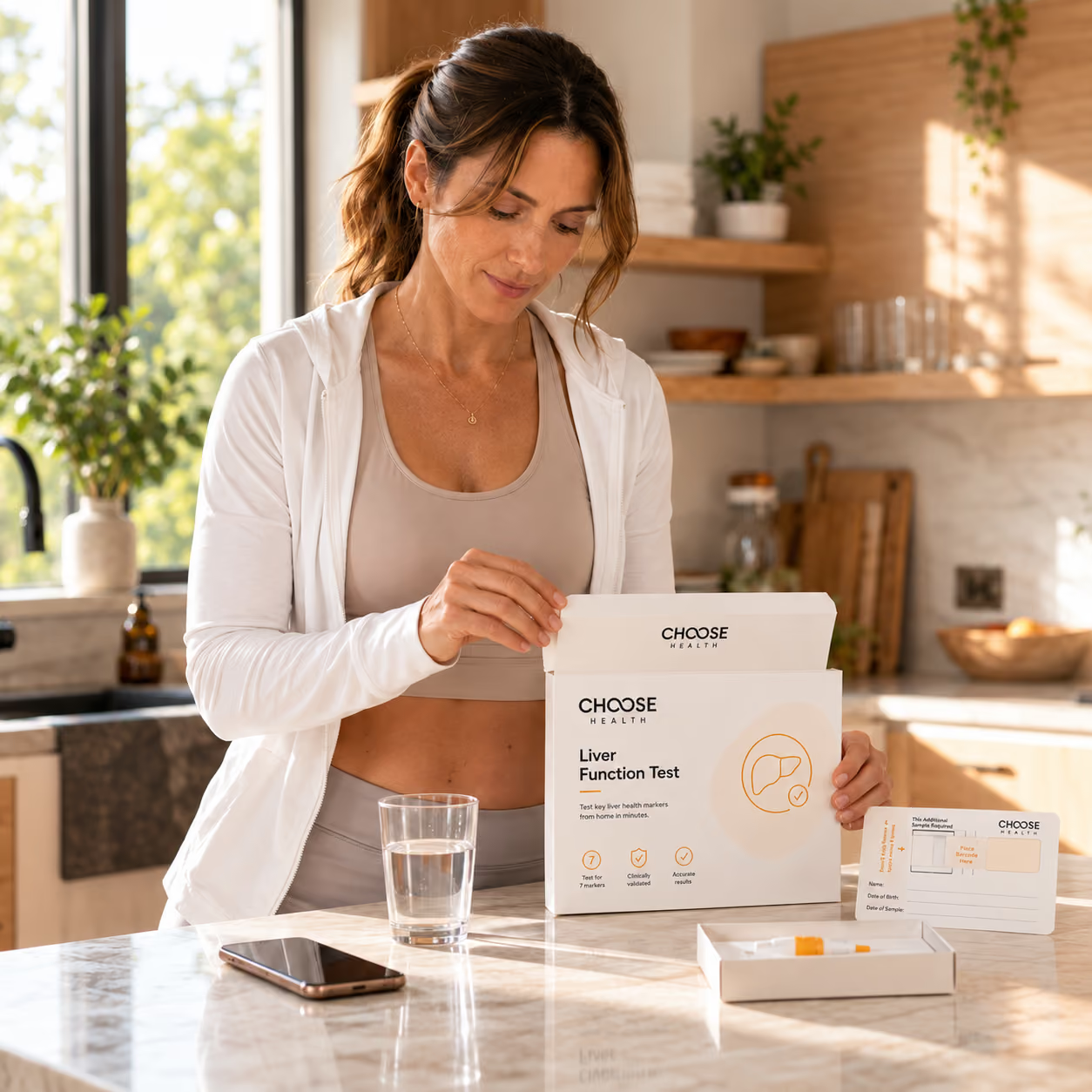
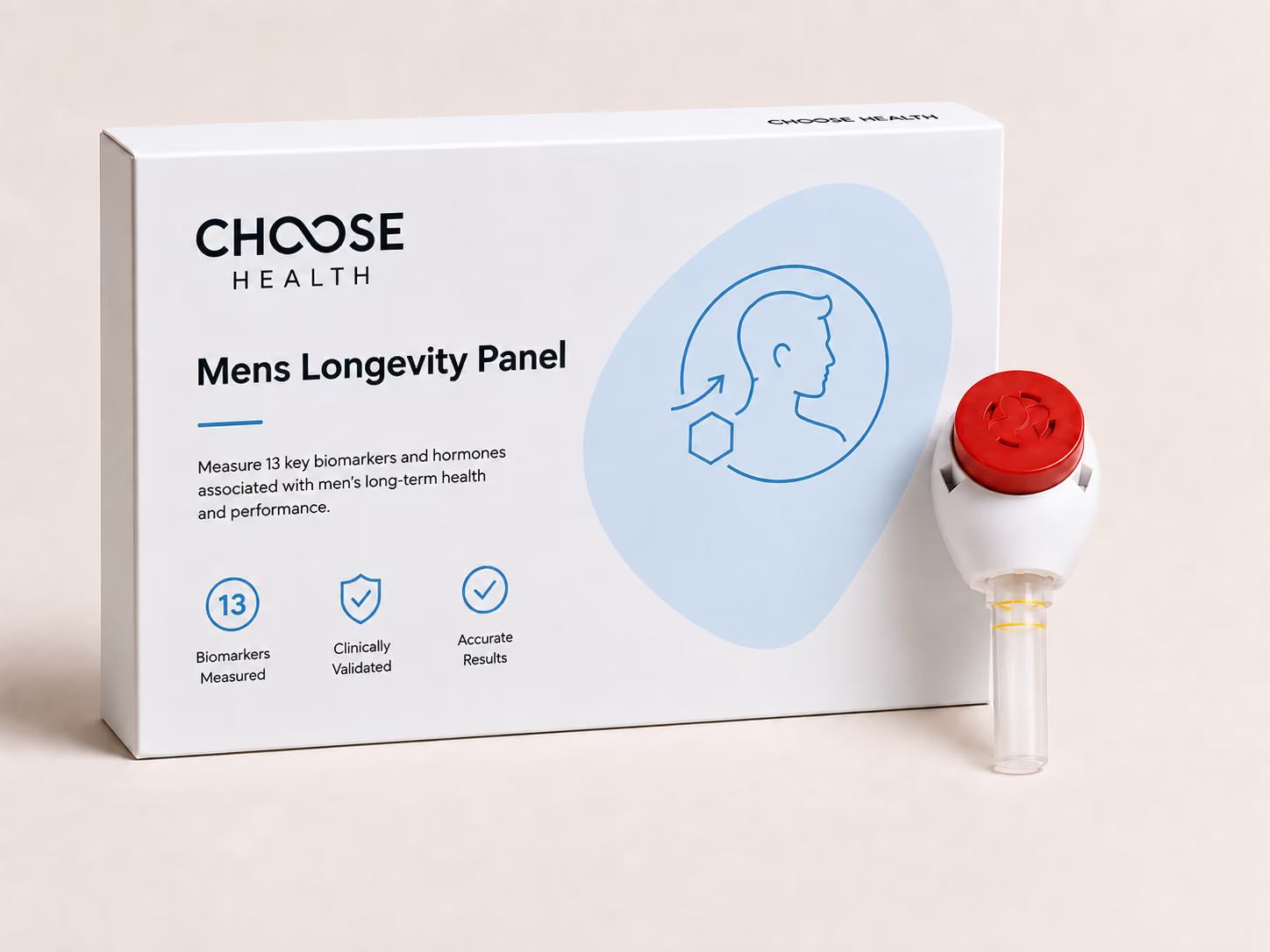
Using a painless arm collection device,it takes less than 5 minutes to collect your sample.
Send to the lab

Drop your sample off to your nearest FedEx post office using the prepaid mailer.
View your results
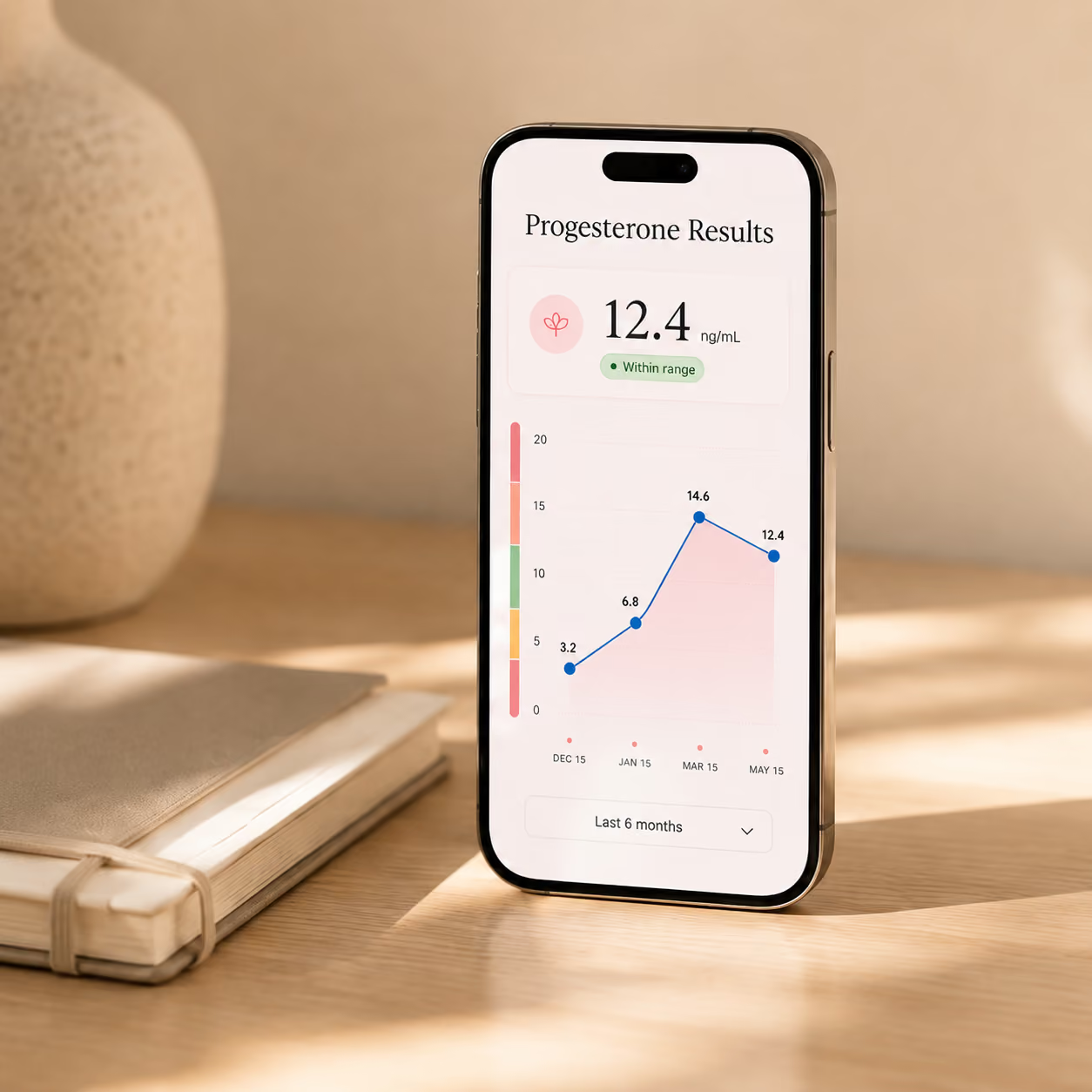
Results are shared to your dashboard in approximately 2 days.
100% Money Back Guarantee
If you don’t love Choose Health after trying it, let us know and we’ll make it right.

See what your look like

Results Shared Electronically
HIPAA Compliant Dashboard
Insights & Recommendations
Monitor Progress Over Time






Customer Satisfaction Guaranteed
Safe & secure payment
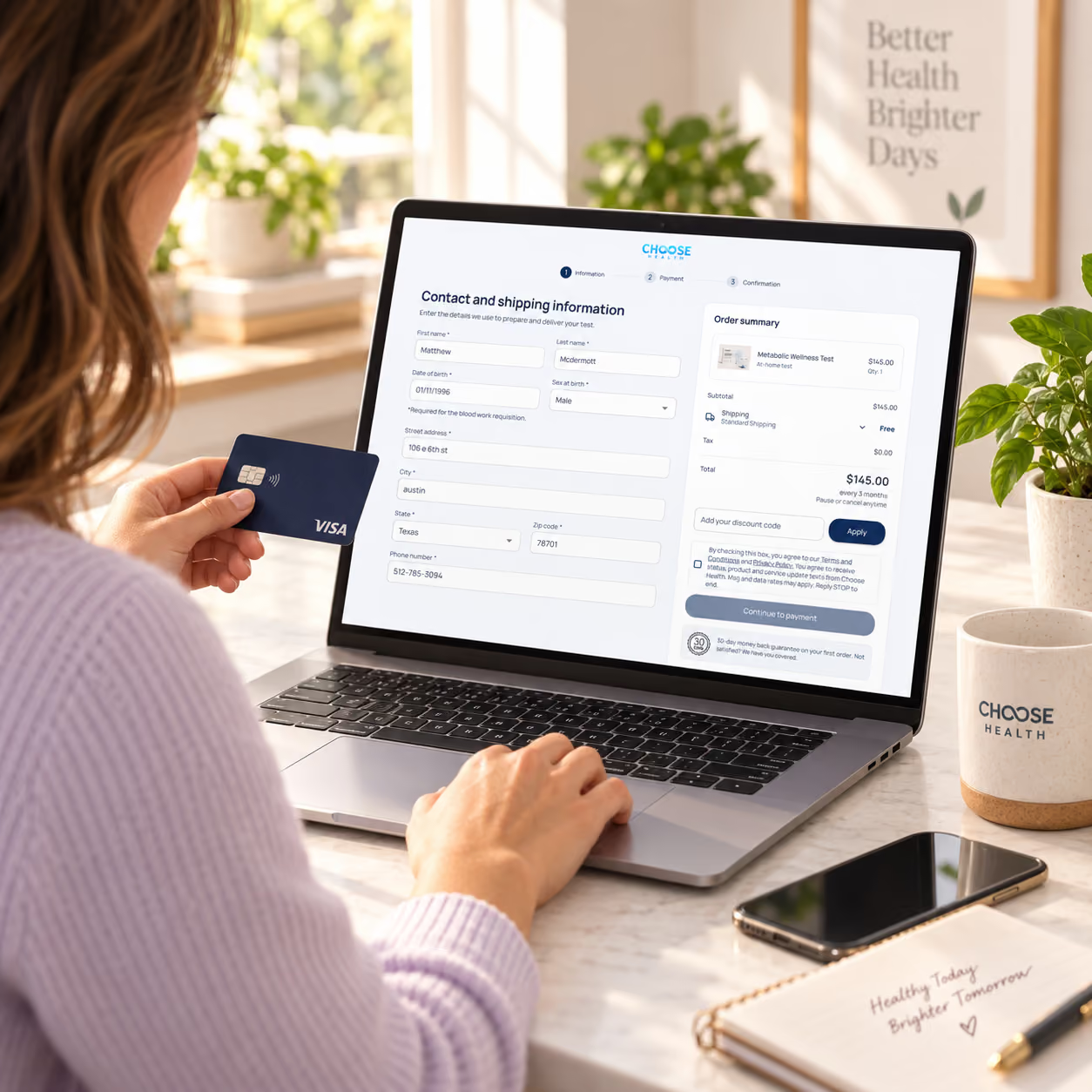
Money-back guarantee

Fast & free shipping
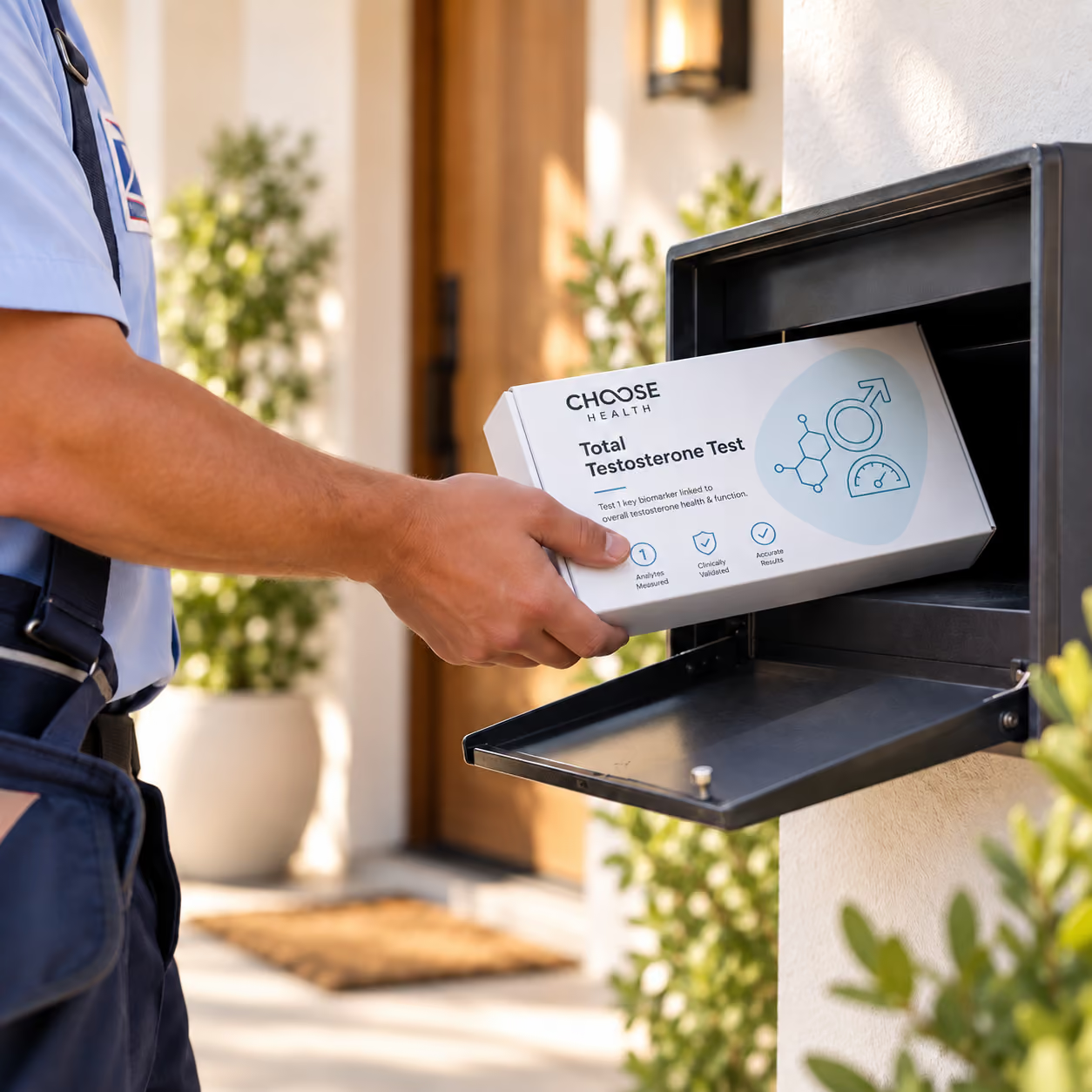
Premium support


Customer experience is our number one priority.
If you have questions or are unsatisfied with any part of the Choose Health journey, please contact us.