


.png)
A silent epidemic
Metabolic dysfunction-associated steatotic liver disease (MASLD) affects an estimated 38% of adults globally and is projected to exceed 55% by 2040. In the U.S., roughly one-third of adults may be affected, with only a fraction diagnosed.
Its trajectory can often be changed. AASLD guidance indicates that 3% to 5% weight loss can improve steatosis, with greater weight loss, typically above 10%, generally needed to improve steatohepatitis and fibrosis.
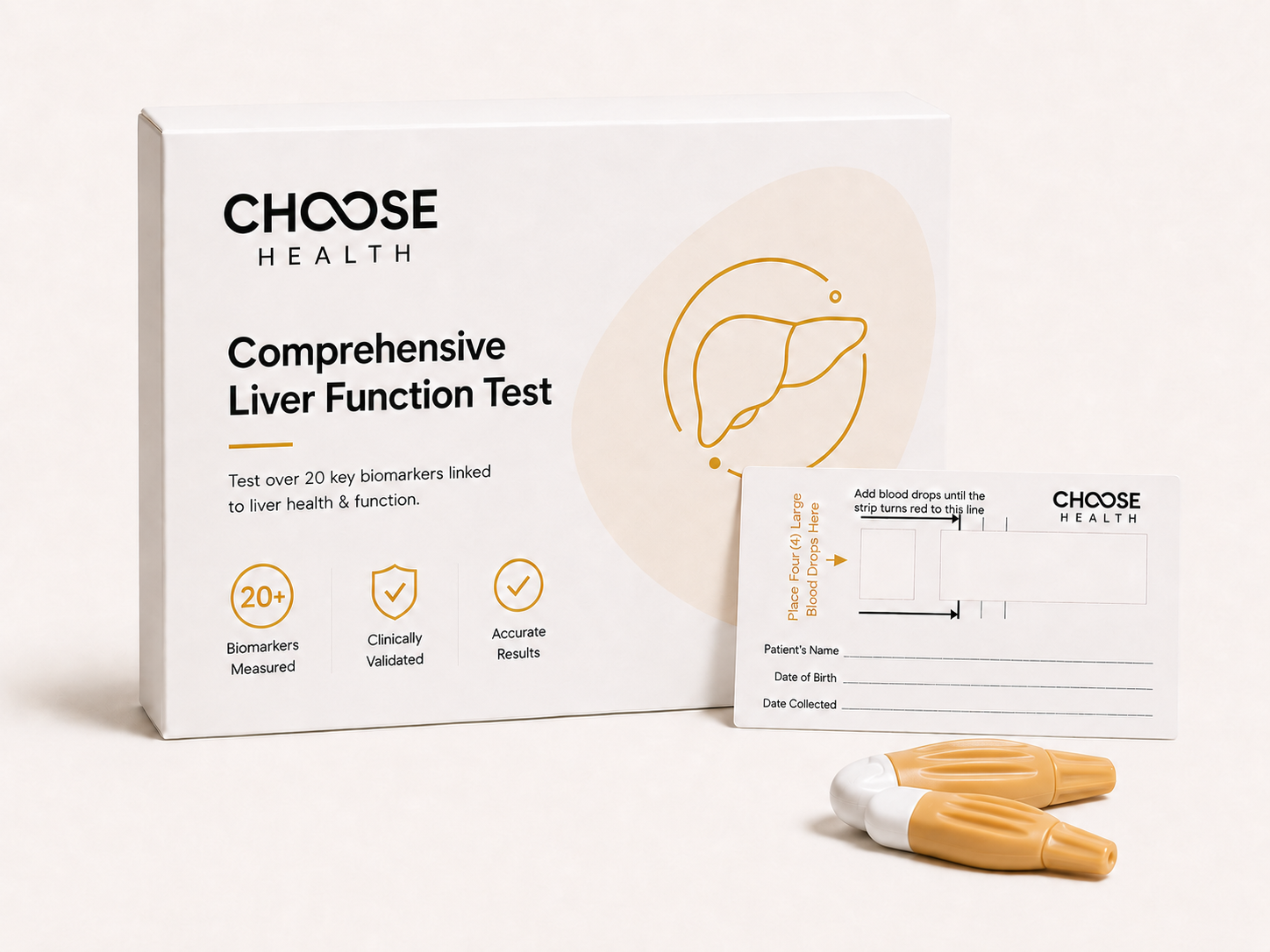
What does the Choose Health Comprehensive Liver Function Test measure?
The test measures AST, ALT, GGT, Total Bilirubin and Albumin; Fasting Glucose, HbA1c, Fasting Insulin and HOMA-IR; LDL, HDL, Triglycerides, VLDL, ApoA1 and ApoB; and Iron, UIBC, Ferritin and Transferrin Saturation, alongside calculated scores including the Fatty Liver Index, Hepatic Steatosis Index and AST:ALT Ratio.
“These calculated scores are what actually matter clinically. One elevated ALT reading doesn’t say much. But when you combine multiple biomarkers into published indices like the Fatty Liver Index, patterns of steatosis and metabolic risk become much clearer.”
Dr. Alan Farrell, MB BCh BAO MSc, Chief Medical Officer at Choose Health and preventive medicine expertWhy does a liver test include metabolic and lipid markers?
Liver enzymes alone give an incomplete picture. Glucose, HbA1c, Insulin and HOMA-IR add context on insulin resistance, which is commonly associated with MASLD. Lipid markers characterize cardiometabolic risk, and iron markers can surface results warranting clinical follow-up. The Fatty Liver Index and Hepatic Steatosis Index combine select measurements with personal characteristics to estimate the likelihood of hepatic steatosis.
“We’ve been focused on liver health since 2018 because we saw this epidemic coming. With the rise of GLP-1 medications and awareness of metabolic health, now is the moment for consumers to take liver health as seriously as cholesterol or blood sugar.”
Mark Holland, Founder of Choose HealthAvailability
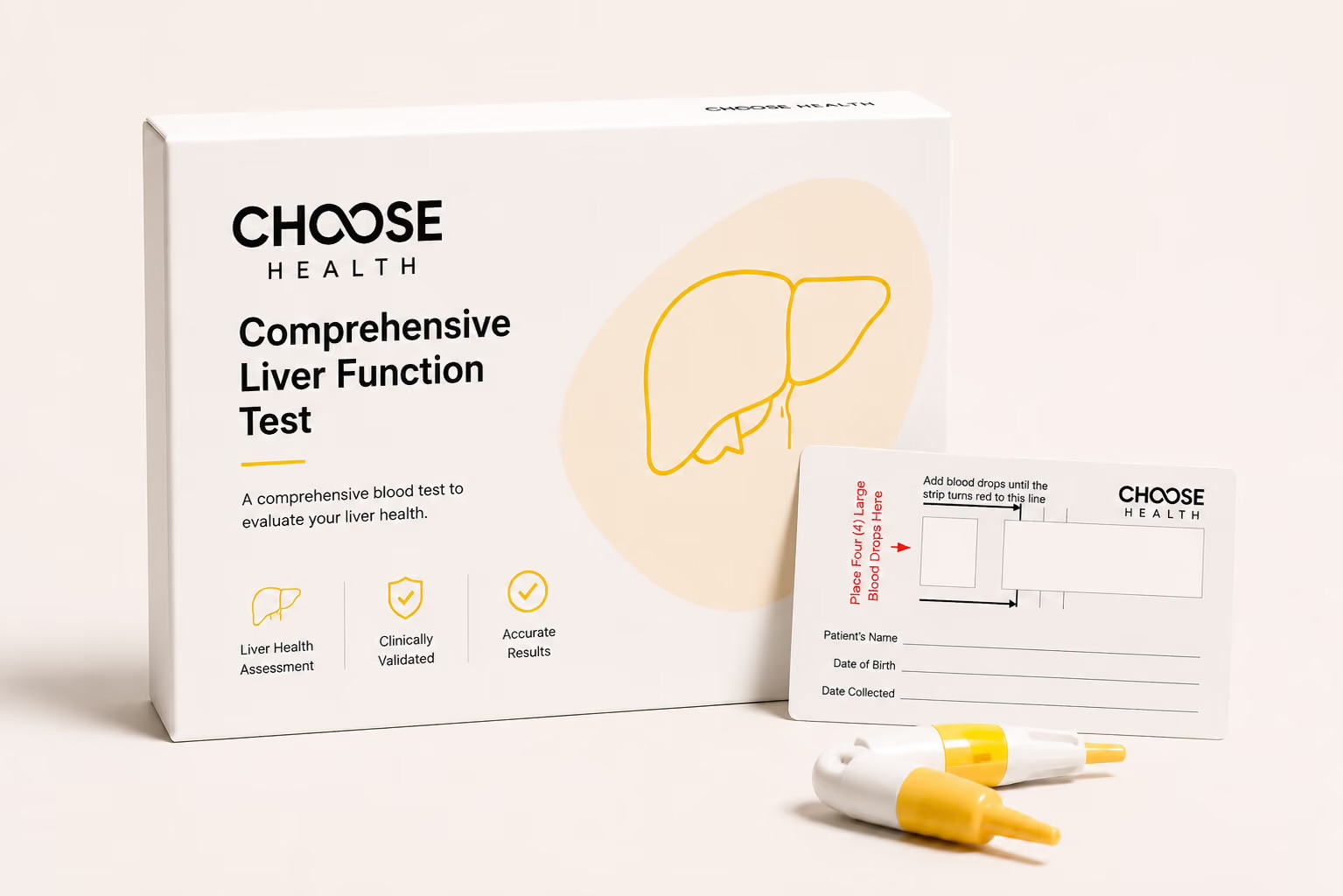
The Comprehensive Liver Function Test is available across 48 states, excluding New York and Rhode Island. The test uses a finger-prick sample collected at home and returns physician-reviewed results in days.
.jpeg)