




An estradiol test measures E2 in your blood and is included in most female hormone tests. Testing identifies whether your symptoms stem from low estradiol, high estradiol, or an imbalance with other hormones like progesterone.
What You'll Learn:
- What an estradiol test measures and how it differs from other estrogens.
- Symptoms of low and high estradiol.
- Normal estradiol ranges by age and cycle phase.
- How at-home estradiol testing works.
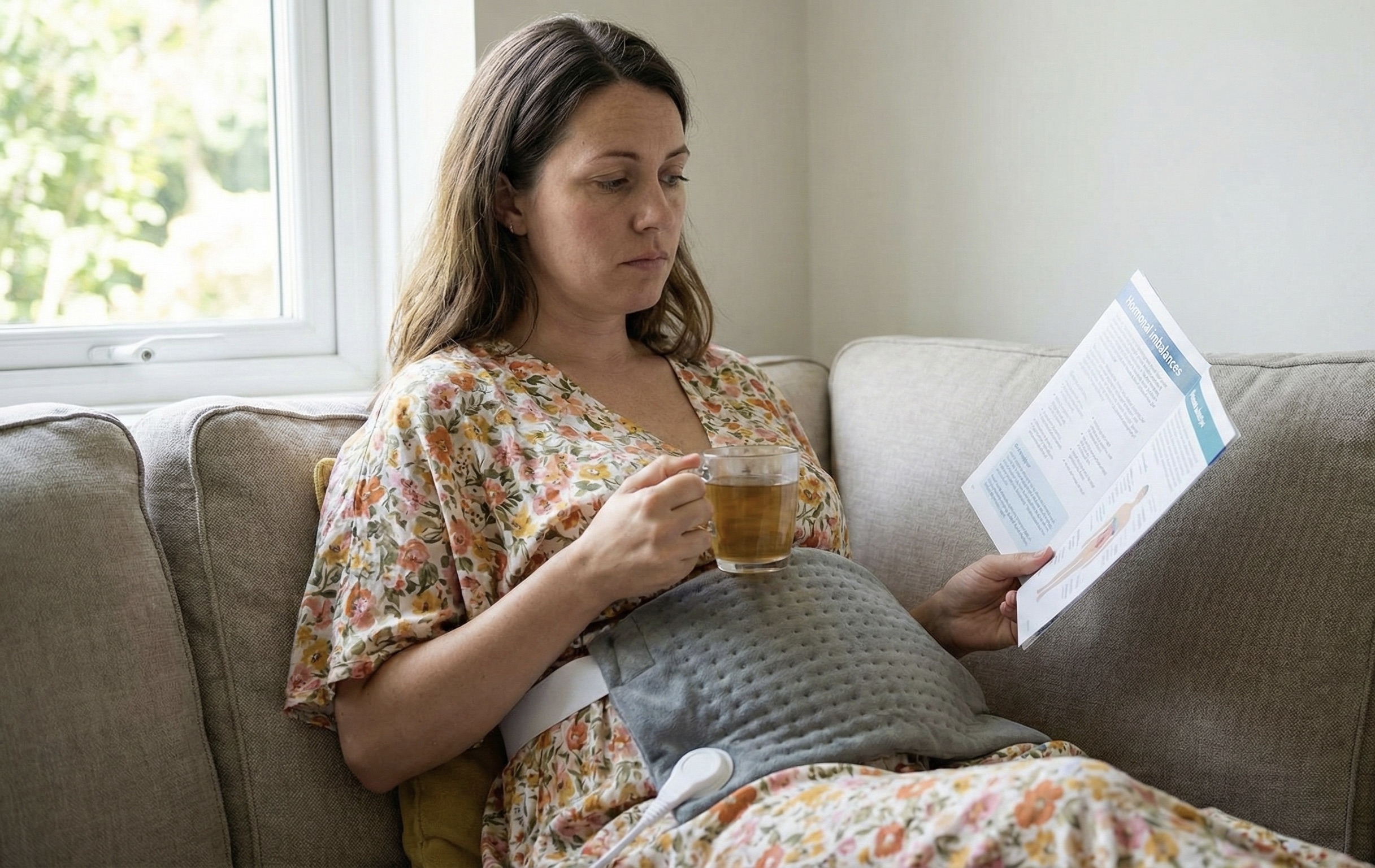
Estradiol (E2) is the primary estrogen hormone during your reproductive years. It regulates your menstrual cycle, supports bone density, affects mood, and plays a role in fertility. When estradiol levels fall too low or rise too high, symptoms follow.
An estradiol test measures E2 in your blood and is included in most female hormone tests. Testing identifies whether your symptoms stem from low estradiol, high estradiol, or an imbalance with other hormones like progesterone.
What You'll Learn:
- What an estradiol test measures and how it differs from other estrogens.
- Symptoms of low and high estradiol.
- Normal estradiol ranges by age and cycle phase.
- How at-home estradiol testing works.
What Is Estradiol?
Estradiol belongs to a group of hormones called estrogens. Three types of estrogen exist in the body: estradiol (E2), estrone (E1), and estriol (E3). Each has a different role depending on your life stage.
Estradiol (E2) is the primary estrogen for women during reproductive years. Your ovaries produce it. E2 regulates your menstrual cycle, thickens the uterine lining, and supports bone and brain health. Most women test E2 when evaluating symptoms.
Estrone (E1) becomes the main estrogen after menopause. Fat tissue and adrenal glands produce E1. Postmenopausal women test E1 to monitor estrogen levels or check for tumors.
Estriol (E3) rises during pregnancy. The placenta produces large amounts of E3. E3 testing is used during pregnancy screening but rarely for general hormone evaluation.
Common Symptoms That Indicate You Should Test Estradiol
Symptoms can point toward whether estradiol is too low or too high.
Low Estradiol Symptoms
Low estradiol produces symptoms that tend to worsen over time without intervention.
Irregular or missing periods - Your cycle becomes unpredictable. Periods arrive early, late, or skip entirely for months.
Hot flashes and night sweats - Blood rushes to your skin's surface, causing sudden warmth. Night sweats can disrupt sleep significantly.
Vaginal dryness - Low estradiol thins vaginal tissue. This leads to dryness, discomfort, and pain during intercourse.
Mood changes - You may feel more anxious, irritable, or low. Poor sleep from night sweats compounds mood swings.
Bone loss - Estradiol protects bone density. Prolonged low levels increase the risk of osteoporosis and fractures.
Low libido - Sex drive decreases. Both desire and physical arousal can be affected.
High Estradiol Symptoms
Elevated estradiol produces a different set of symptoms.
Heavy or frequent periods - Periods become heavier, last longer, or occur more frequently than every 21 days.
Breast tenderness - Breasts feel swollen, full, or sensitive to touch.
Bloating and weight gain - Water retention increases. Weight may accumulate around the hips and thighs.
Worsening PMS - Mood swings, irritability, headaches, and cramping intensify before your period.
Fatigue - You feel tired despite getting adequate sleep.
High estradiol often indicates estrogen dominance, where estradiol is elevated relative to progesterone. The absolute estradiol number may fall within the normal range, but the ratio to progesterone is off. Birth control pills, excess body fat, and certain medications can raise estradiol levels.
Estradiol Normal Ranges
Estradiol levels vary based on age, menstrual cycle phase, and life stage.
Testing on day 3 of your cycle captures baseline estradiol. This timing shows your starting E2 level when it is most stable, before the rise toward ovulation. Day 3 estradiol between 30-100 pg/mL is typical for reproductive-age women. For postmenopausal women, estradiol drops dramatically when the ovaries stop producing eggs. Normal postmenopausal E2 is less than 10 pg/mL. At this stage, estrone (E1) becomes the primary circulating estrogen.
Labs use different reference ranges, so compare your results to your specific lab's values. Age, medications, and health conditions also affect what is normal for you.
When to Test Estrogen
Timing affects the accuracy of estradiol testing.
Test on day 3 of your menstrual cycle. Day 1 is the first day of full menstrual bleeding, not spotting. Days 2-4 also work if you cannot test exactly on day 3. This timing captures baseline E2 before it begins rising toward ovulation.
Test in the morning. Hormone levels fluctuate throughout the day. Morning testing produces more consistent results.
If you take hormonal birth control, estradiol testing is less meaningful. Birth control suppresses natural estradiol production. Discuss with your healthcare provider whether you should pause birth control before testing or whether testing is appropriate for your situation.
If you have irregular or missing periods, you can test anytime. For perimenopause evaluation, testing when symptoms are present provides useful information even if timing is not perfect.
For complete guidance on when to test different hormones, see our guide to female hormone testing.
How At-Home Estradiol Testing Works
At-home testing measures estradiol using the same lab analysis as traditional blood draws.
Choose Health's at-home hormone tests measure estradiol (E2). You collect a finger-prick blood sample at home on day 3 of your cycle. Mail the sample to a CLIA-certified lab using the prepaid envelope. Results arrive in 3-5 days through your secure dashboard.
Your dashboard explains what your estradiol level means for your age and cycle day. You can track E2 over multiple cycles to identify patterns and monitor changes over time.
Testing at home gives you control over timing. You can test on day 3 without scheduling appointments or waiting for lab availability.
What to Do After Testing
Estradiol results need interpretation alongside your symptoms and medical history.
If estradiol is low and you have symptoms, discuss hormone replacement therapy (HRT) with your healthcare provider. HRT can relieve hot flashes, vaginal dryness, and mood changes during perimenopause and menopause. Not everyone needs or is a candidate for HRT. Risks and benefits vary based on individual health history.
If estradiol is high, your provider may recommend lifestyle changes. Weight loss reduces excess estradiol produced by fat tissue. They may also evaluate for underlying causes like medications or, rarely, tumors.
If you have estradiol dominance, supporting progesterone production may help restore balance. Your provider can discuss options based on your specific situation.
Track estradiol over time. Patterns reveal more than single tests. If you are trying to conceive or evaluating hormone imbalances, monitoring estradiol alongside other hormones provides a clearer picture.

Understanding Your Estradiol Levels
Estradiol testing identifies whether low or high E2 is driving your symptoms. Testing at the right time in your cycle produces accurate, actionable results.
Whether you are experiencing perimenopause symptoms, evaluating fertility, or tracking hormone patterns, knowing your estradiol level helps you understand what is happening in your body and make informed decisions about next steps.
At-home testing provides convenient access to the same lab analysis used in clinical settings. You control timing, track changes across cycles, and build a record of your hormone health over time.
This information is educational and not medical advice. Discuss your results and any concerns with a healthcare provider.
.png)