

What Is the Tasso Device?
The Tasso device is a single-use upper-arm blood collection device designed for at-home sample collection.
Rather than relying on a traditional finger prick, the device adheres to the upper arm and collects a capillary blood sample after activation.
This allows users to collect a sample from home without needing to visit a lab or phlebotomy center for a traditional blood draw.
This collection method is designed to help simplify the at-home testing experience while supporting testing across multiple areas of health, including hormones, cardiovascular health, metabolic health, kidney function, liver health, and inflammation.
As at-home diagnostics continue evolving, upper-arm blood collection is becoming an increasingly important part of making biomarker testing more accessible from home.

Why Upper-Arm Collection Is Different
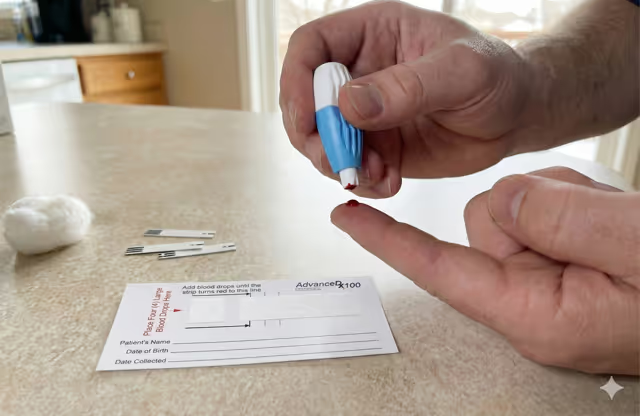
Traditional at-home blood testing often requires multiple finger pricks, repeated squeezing of the fingertip, and manual transfer of blood onto a collection card or into a tube.
Upper-arm collection is designed to reduce some of those friction points by simplifying the collection process into a more automated workflow.
For some users, this may help make at-home testing feel more approachable and easier to complete successfully.

Tips for a Successful Collection
To help support a smoother collection experience:
- Stay hydrated before testing
- Warm the upper arm beforehand
- Read all instructions before starting
- Avoid rushing the setup process
- Keep the arm relaxed during collection
If your test includes additional preparation requirements — such as fasting or time-of-day guidance — follow those instructions carefully before collecting your sample.
The Future of At-Home Blood Testing
At-home health testing continues moving beyond traditional finger prick collection methods. Upper-arm blood collection devices like Tasso represent part of a broader shift toward more convenient and user-friendly ways to collect health data from home.
As access to biomarker testing expands, these collection methods may help support broader testing across hormones, cardiovascular health, metabolism, kidney function, liver health, and inflammation — without requiring a traditional in-person blood draw.
Book a call below to learn more.
%20(1).png)