


At-Home TRT Blood Testing
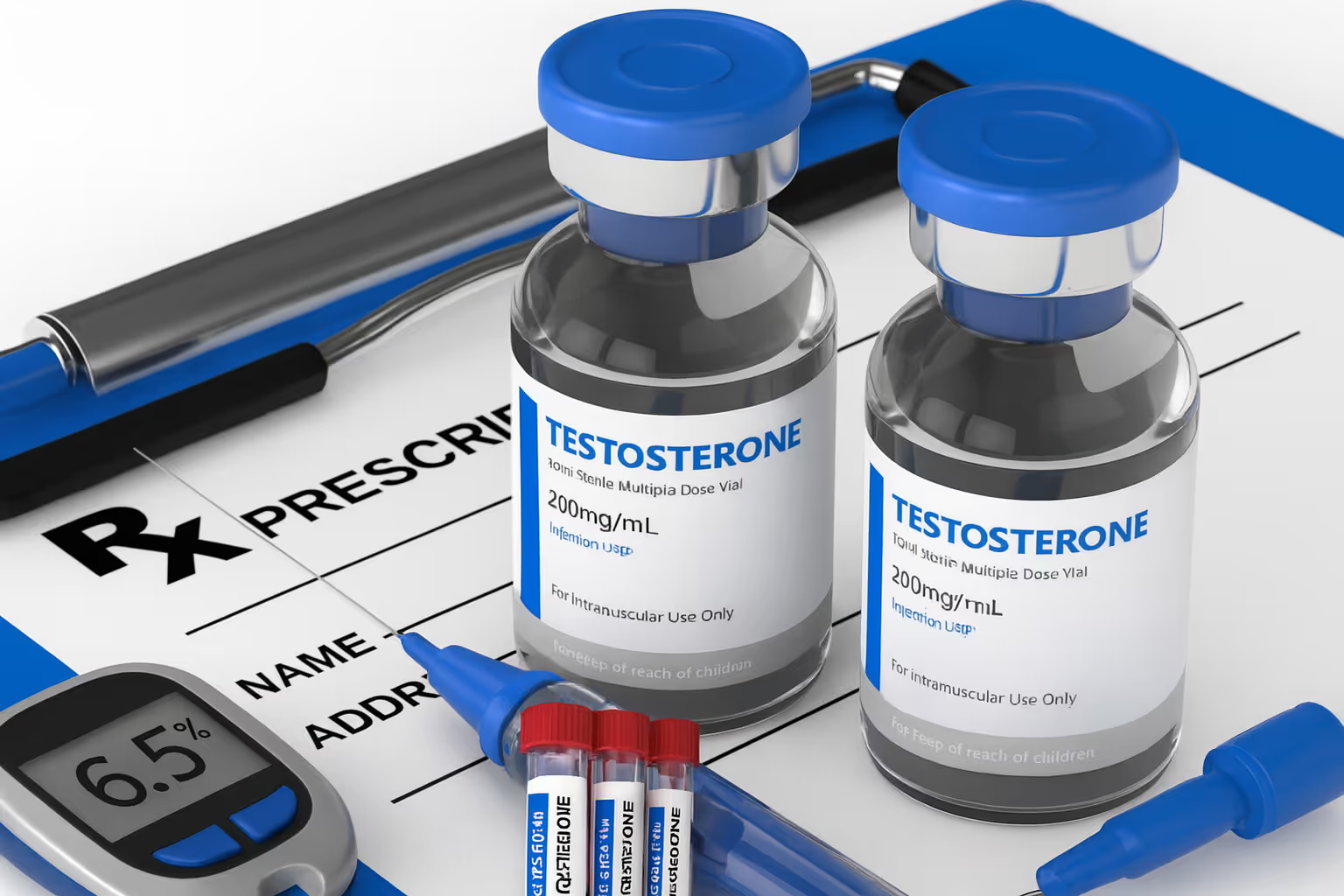
Hormone replacement clinics know that prescribing testosterone is only half the story. The real magic happens in the follow-up: tracking the right biomarkers over time so you can adjust doses, spot complications early, and give patients confidence that they’re on a safe, effective plan.
Whether you run a brick-and-mortar hormone clinic or a telehealth-based TRT program, having a comprehensive, easy-to-manage TRT blood test panel is critical. That’s where our at-home, white-label lab testing comes in – giving your patients convenient finger-prick testing, while your clinic gets the detailed hormone and safety markers you rely on.
In this article, we’ll walk through the core TRT-related biomarkers we offer through Choose Health’s platform: total testosterone, free testosterone, PSA, prolactin, LH, FSH, SHBG, estradiol, hematocrit, and hemoglobin A1c (HbA1c) – and why each matters for your protocol design and ongoing monitoring.
Why a Structured TRT Lab Panel Matters for Your Clinic
TRT is not a one-size-fits-all therapy. Age, baseline hormone levels, comorbidities, lifestyle, and delivery method (injections, gels, pellets, etc.) all influence how a patient responds.
A structured TRT lab panel helps your clinic:
- Establish a clear baseline before starting therapy
- Monitor response and fine-tune dosing over time
- Track potential risks, such as elevated hematocrit or PSA
- Improve patient retention, because patients see objective data that their plan is working
With Choose Health, clinics can access these markers via customizable at-home finger-prick tests that you can fully brand as your own.
Core Androgen Markers in a TRT Panel
Total Testosterone – The Foundation of TRT
Total testosterone is the anchor marker in any TRT program. It reflects the total amount of testosterone in circulation, including both bound and unbound forms. Measuring total T before and during treatment helps you:
- Confirm hypogonadism or suboptimal levels
- Adjust doses to keep patients within your clinic’s target range
- Track long-term trends as patients age or change protocols
Free Testosterone – What the Body Can Actually Use
While total T is important, free testosterone represents the fraction that is unbound and biologically active. This is often what correlates best with how patients actually feel: energy, libido, mood, and body composition.
Tracking free T alongside total T helps you:
- Understand why a patient may still have symptoms despite a “normal” total T
- Balance dosage and delivery method for optimal symptom relief
- Fine-tune your target range for different age groups and clinical goals
SHBG – The Key to Interpreting Total vs Free T
Sex hormone-binding globulin (SHBG) binds to testosterone and makes it unavailable to tissues. High SHBG can make free T low even when total T looks acceptable. Low SHBG can exaggerate free T.
Including SHBG in your TRT panel:
- Helps you interpret total vs free testosterone correctly
- Explains why two patients with similar total T levels feel very different
- Guides dosing decisions and expectations when adjusting therapy
Monitoring Estrogen and Prolactin for Symptom Control
Estradiol – Balance, Not Zero
Estradiol (E2) often rises in men on TRT through aromatization of testosterone. While excess estradiol can contribute to water retention, mood swings, or gynecomastia, driving it too low can cause joint pain, low libido, and poor mood.
Monitoring estradiol allows your clinic to:
- Identify when symptoms may be estrogen-driven
- Decide if aromatase inhibitors or dose adjustments are appropriate
- Maintain a healthy balance rather than chasing “zero estrogen”
Prolactin – An Overlooked Hormone in Men’s Health
Prolactin is less talked about in TRT but can significantly affect sexual function and mood. Elevated prolactin levels may contribute to low libido, erectile dysfunction, and fatigue.Including prolactin in your TRT lab testing helps you:Give patients a more complete view of what influences their sexual health.
- Rule out hyperprolactinemia as a cause of persistent symptoms
- Determine when further investigation (e.g., imaging, endocrine referral) is warranted
- Give patients a more complete view of what influences their sexual health
LH & FSH – Understanding the Hypothalamic–Pituitary–Gonadal Axis
Luteinizing hormone (LH) and follicle-stimulating hormone (FSH) are critical markers when evaluating patients before starting TRT and when considering fertility.
- LH stimulates testosterone production in the testes
- FSH is more directly involved in sperm production
Measuring LH and FSH:
- Helps distinguish primary vs secondary hypogonadism
- Informs your decision about whether TRT, clomiphene, hCG, or other strategies are appropriate
- Supports conversations around fertility preservation before starting therapy
Safety Monitoring: Hematocrit, PSA, and HbA1c
TRT is not just about optimizing hormones; it’s also about monitoring cardiometabolic and urologic safety markers over time.
Our white-label panels can also include:
Hematocrit – Watching for Thickened Blood
Hematocrit measures the proportion of red blood cells in the blood. TRT can increase hematocrit in some patients, raising concerns around blood viscosity and clotting risk if it becomes too high.
Regular hematocrit monitoring:
- Helps you decide when to adjust dosage or therapy frequency
- Signals when you may need to recommend therapeutic phlebotomy or closer follow-up
- Provides objective data to support your safety protocols
PSA – Prostate Health Surveillance
Prostate-specific antigen (PSA) is a key marker in men’s health, particularly for patients over 40 or those with risk factors.
Including PSA in your TRT protocol allows your clinic to:
- Establish a baseline before initiating testosterone therapy
- Track changes in PSA over time
- Make informed decisions about urology referrals and ongoing monitoring
Hemoglobin A1c – Metabolic Health on TRT
TRT often overlaps with metabolic concerns: weight gain, insulin resistance, and type 2 diabetes. Hemoglobin A1c (HbA1c) gives you a 2–3 month view of a patient’s average blood glucose.
Adding HbA1c to your TRT blood test panel:
- Helps you monitor insulin resistance and glycemic control
- Supports combined protocols that address testosterone + metabolic health
- Strengthens your ability to position your clinic as a comprehensive men’s health provider, not just a hormone clinic

How Choose Health Supports Your Clinic’s TRT Protocols
With Choose Health’s white-label at-home testing, your clinic can build a fully branded TRT monitoring program that includes:
- Total & Free Testosterone
- SHBG
- Estradiol
- LH & FSH
- Prolactin
- Hematocrit & HbA1c
- PSA
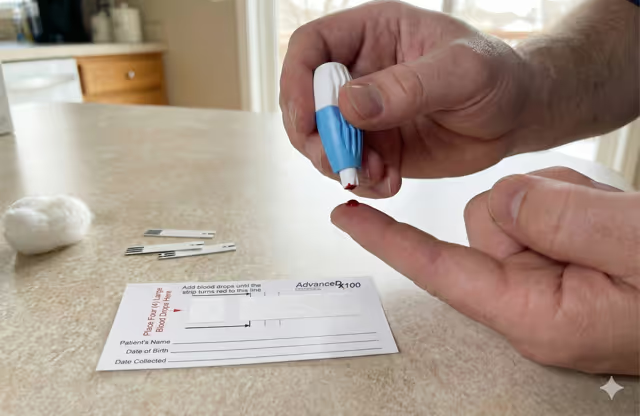
Patients complete their tests at home via a simple finger-prick collection card, and results flow back to your clinic in a clinician-friendly format. You choose the biomarkers, configure panels by protocol (baseline, 3-month follow-up, maintenance, etc.), and we handle logistics, lab processing, and reporting.
Bring a Comprehensive TRT Panel to Your Patients
If you’re prescribing testosterone, you need a lab testing solution that can keep up with your protocols. By combining androgen markers, supporting hormones, and safety labs in one streamlined at-home panel, your clinic can:
- Improve patient adherence and follow-up
- Standardize monitoring across clinicians and locations
- Deliver a better patient experience under your own brand
If you’re ready to expand or modernize your TRT program, explore how a white-label TRT lab testing panel through Choose Health can fit into your workflow.
.png)