


What Is "High" Cholesterol
High cholesterol can feel like a long-term problem, but the steps you take this week can already start moving your numbers in the right direction. While you won’t completely transform your cholesterol profile in just 7 days, you can begin lowering LDL (“bad”) cholesterol, supporting HDL (“good”) cholesterol, and reducing some of the lifestyle drivers that keep your levels elevated. This guide will show you how to reduce cholesterol in 7 days using simple, evidence-based changes to your diet, daily routine, and habits.
Across the next sections, we’ll break down exactly what to eat, what to limit, and how to move your body to support healthier cholesterol levels fast. You’ll learn which foods naturally help lower LDL, how fiber and healthy fats protect your arteries, and why sleep, stress, alcohol, and smoking all matter more than most people realize.
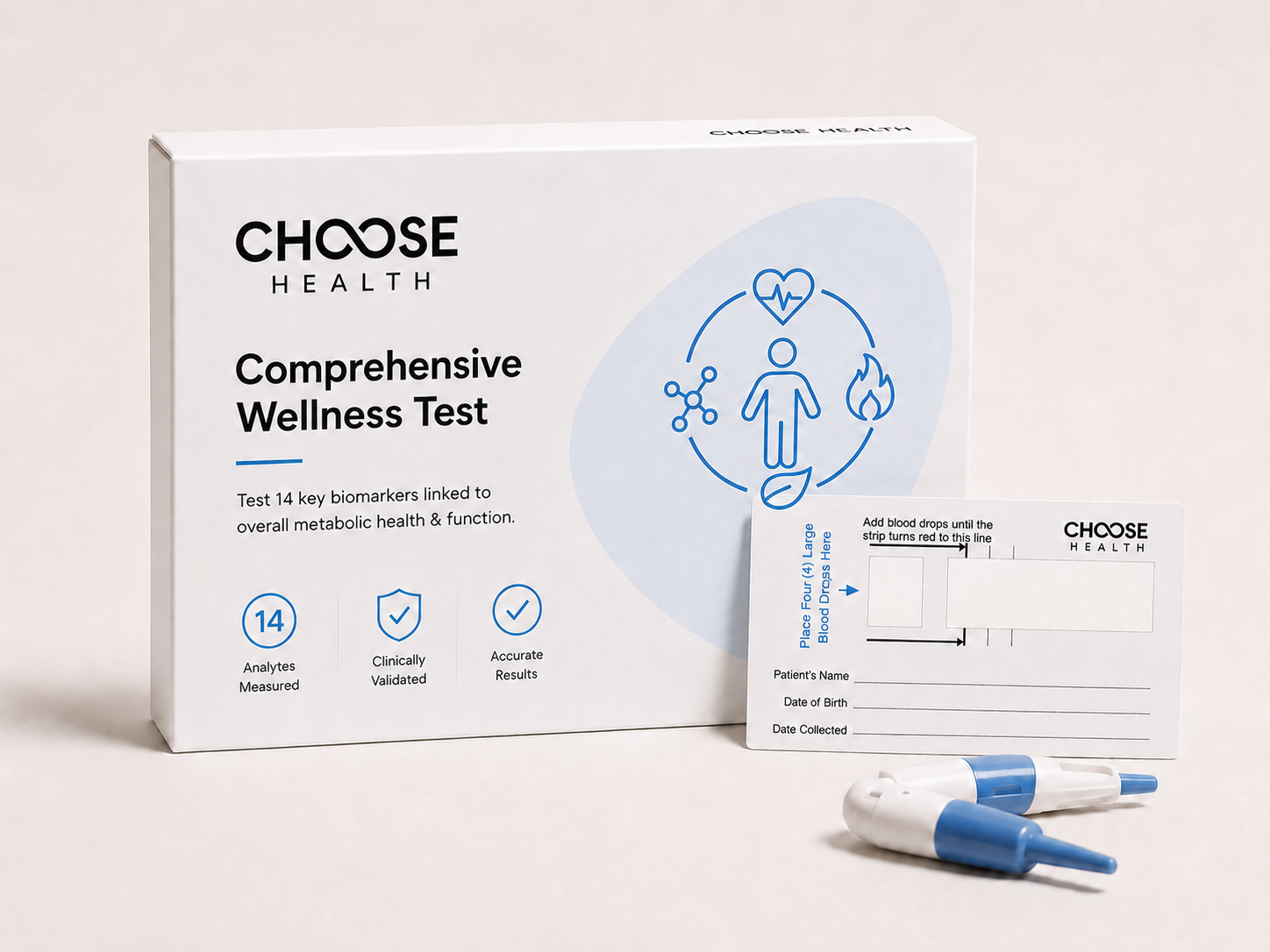
These are practical, realistic changes you can start today—no crash diets or extreme workout plans. And if you want to go one step further, pairing these strategies with a home cholesterol test from Choose Health can help you track your progress over time and see how your choices are impacting your heart health from the inside out.
.png)
Day 1: Understand Your Lipid Profile
Begin by understanding your current cholesterol levels. Your lipid profile includes total cholesterol, LDL (bad cholesterol), HDL (good cholesterol), and triglycerides (blood fats). Knowing these numbers will help you track your progress and set realistic goals.
Action Step: Get a lipid profile test done to know your starting point. Choose Health can help!
Day 2: Adjust Your Diet
Diet plays a crucial role in managing cholesterol levels. Focus on incorporating heart-healthy foods and eliminating those that can raise your cholesterol.
Action Step:
- Include: Oats, nuts, fatty fish (like salmon), fruits (like apples, grapes, strawberries, and citrus), and vegetables.
- Avoid: Trans fats, saturated fats, and high-sugar foods.
Day 3: Increase Fiber Intake
Soluble fiber helps reduce the absorption of cholesterol into your bloodstream. Foods high in soluble fiber can help lower LDL cholesterol.
Action Step:
- Eat: Beans, lentils, apples, pears, barley, and whole grains. Aim for at least 25-30 grams of fiber daily.
Day 4: Exercise Regularly
Regular physical activity can help raise HDL cholesterol while lowering LDL cholesterol and triglycerides.
Action Step:
- Exercise: Engage in at least 30 minutes of moderate-intensity exercise, such as brisk walking, cycling, or swimming. Try to incorporate physical activity into your daily routine.
Day 5: Healthy Fats Over Unhealthy Fats
Not all fats are created equal. Replace saturated and trans fats with healthier monounsaturated and polyunsaturated fats.
Action Step:
- Choose: Olive oil, avocados, nuts, and seeds.
- Avoid: Fried foods, baked goods with trans fats, and processed snacks.
Day 6: Hydrate and Limit Alcohol
Staying hydrated helps maintain overall health, and limiting alcohol can help control cholesterol levels.
Action Step:
- Hydrate: Drink plenty of water throughout the day.
- Limit Alcohol: If you drink, do so in moderation—up to one drink a day for women and two for men.
Day 7: Review and Plan Ahead
After a week of making healthier choices, review your progress. Although significant changes in cholesterol levels typically take longer than a week, these initial steps can set you on the right path.
Action Step:
- Evaluate: Consider how you feel and any changes you've noticed.
- Plan: Continue with the healthy habits you've started and schedule a follow-up lipid profile test for a future date to monitor your long-term progress.

In Summary...
Reducing cholesterol levels is a continuous process that involves dietary changes, regular exercise, and healthy lifestyle choices. By following this seven-day guide, you can start to make meaningful changes that will improve your lipid profile and overall heart health. Remember, significant changes take time, but these initial steps are crucial for long-term success.
To keep track of your progress and stay informed about your cholesterol levels, consider using Choose Health’s at-home testing kits. Regular monitoring can help you stay on track and make informed decisions about your health.