.png)


.jpeg)
Inflammation is a natural reaction that helps the body fight infection and repair tissue. Acute symptoms, like a fever with illness or swelling around an injury, are signs that your immune system is doing its job.
Chronic inflammation is a different problem. It usually happens internally, causes damage and scarring over time, and is linked to cardiovascular disease, obesity, type 2 diabetes and cancer.
Many factors influence chronic inflammation, and diet is one you can act on directly. Below are seven of the most common inflammatory foods and how they may be affecting your health.

Sugar
Added sugar is extremely common in the American diet, most often as white table sugar and high-fructose corn syrup. Plenty of people limit desserts to avoid it, but sugar is used throughout processed food to improve shelf life, flavor and texture. It shows up in bread, alcohol, salad dressings and sauces.
One study looked at sugar-sweetened beverages and their effect on glucose metabolism, lipid metabolism and inflammatory markers in healthy men. Participants drank beverages containing moderate or high amounts of glucose or fructose daily for three weeks. Across every level of consumption, participants showed elevated C-reactive protein, a key marker of inflammation.
- Cane juice
- Corn syrup and high-fructose corn syrup
- Fructose
- Sucrose
- Syrup
- Molasses
Fruits and vegetables contain sugar but don't drive inflammation. The fructose in them occurs naturally and in small amounts, and they also carry fiber and antioxidants that work against inflammation.
Refined carbohydrates
White bread, white rice, white pasta, pastries and most cereal. These are built from processed grains and sugar, and refined grains like white flour have been stripped of their nutrients, usually to improve shelf life and texture.
Refined carbohydrates lack fiber, which matters for blood sugar control, gut health and feeling full. A diet heavy in them contributes to high blood sugar, weight gain and less favorable gut bacteria, all of which feed inflammation. In one study that scored foods by nutritional value, participants eating more low-scoring foods showed higher inflammatory markers and more cardiovascular risk factors.
Trans fat
Artificial trans fat is used in processed foods to extend shelf life, and usually appears on labels as partially hydrogenated oils. It's the most harmful fat to the body.
A review of clinical trials and observational studies consistently linked trans-fatty acid consumption to impaired lipid levels and raised inflammatory markers including C-reactive protein.
Common sources include snack cakes, microwave popcorn, fast food and margarine. The pattern repeating across this list is processing.
Vegetable and seed oils
These are a staple in most kitchens and a common ingredient in processed food. They're high in omega-6 fatty acids, which are beneficial in limited amounts but can trigger inflammation in excess. Because they're so common in processed food, it's easy to overdo omega-6 without realizing it.
The mechanism is about balance. Omega-6 fatty acids trigger an inflammatory response and omega-3s have an anti-inflammatory effect. When the omega-6 to omega-3 ratio runs high, inflammation is more likely. In an animal study comparing high, moderate and low ratios over 32 weeks, the lowest-ratio group showed the lowest markers of inflammation and atherosclerosis, and the highest-ratio group showed the most.
The American diet tends to be short on omega-3 sources like fish while omega-6-rich processed foods are everywhere, which makes a high ratio easy to sustain for years.
Seed oils and oxidative stress
Oxidative stress happens when free radicals and antioxidants fall out of balance. That imbalance causes damage that raises the risk of cardiovascular disease, diabetes, cancer and Alzheimer's. GGT is the marker used to assess it, and it doubles as a liver function marker.
Excessive alcohol
Low to moderate intake may carry some benefits. Heavy drinking is straightforwardly damaging.
Alcohol is a toxin, and the liver becomes inflamed as it processes it. That response is normal, but some studies show that when it happens frequently the liver develops a dysregulated inflammatory response and chronic inflammation sets in. This predicts alcoholic liver disease and is also associated with cardiovascular disease, altered immune regulation and bone disease.
The intestines can become chronically inflamed too, from repeated irritation. Gut inflammation encourages harmful microbiota and may contribute to bowel disorders.
Processed meats
Bacon, lunch meat, sausage and hot dogs. Frequent consumption has been associated with heart disease and cancer.
These meats are heavily processed with smoking or nitrates, and they contain high amounts of advanced glycation end products, which form when food is cooked at high heat. AGEs promote inflammation in the body, and the response in the colon specifically may be linked to cancer.
A cohort study of more than 34,000 women found that a proinflammatory diet including processed meats raised colon cancer risk, while women eating an anti-inflammatory diet had lower risk.
Red meat
Beef, pork and lamb are high in saturated fat, and diets high in saturated fat are often associated with elevated blood lipids that raise cardiovascular risk.
Saturated fatty acids also appear to promote inflammation directly. One study found they triggered an inflammatory response in the hypothalamus, which produced resistance to insulin and leptin and disrupted the body's ability to regulate appetite and metabolism. That mechanism connects to obesity, diabetes and other metabolic disorders.

Should you avoid all of these
Harmful inflammation doesn't come from eating a proinflammatory food occasionally. It builds over time, and it damages over time. The useful exercise is looking honestly at the overall shape of your diet rather than auditing individual meals.
Everyone's body also responds differently to inflammatory triggers, which is the limit of any general list. Small dietary changes are worth making, but testing is what tells you where you actually stand and whether what you're eating is showing up in your results.
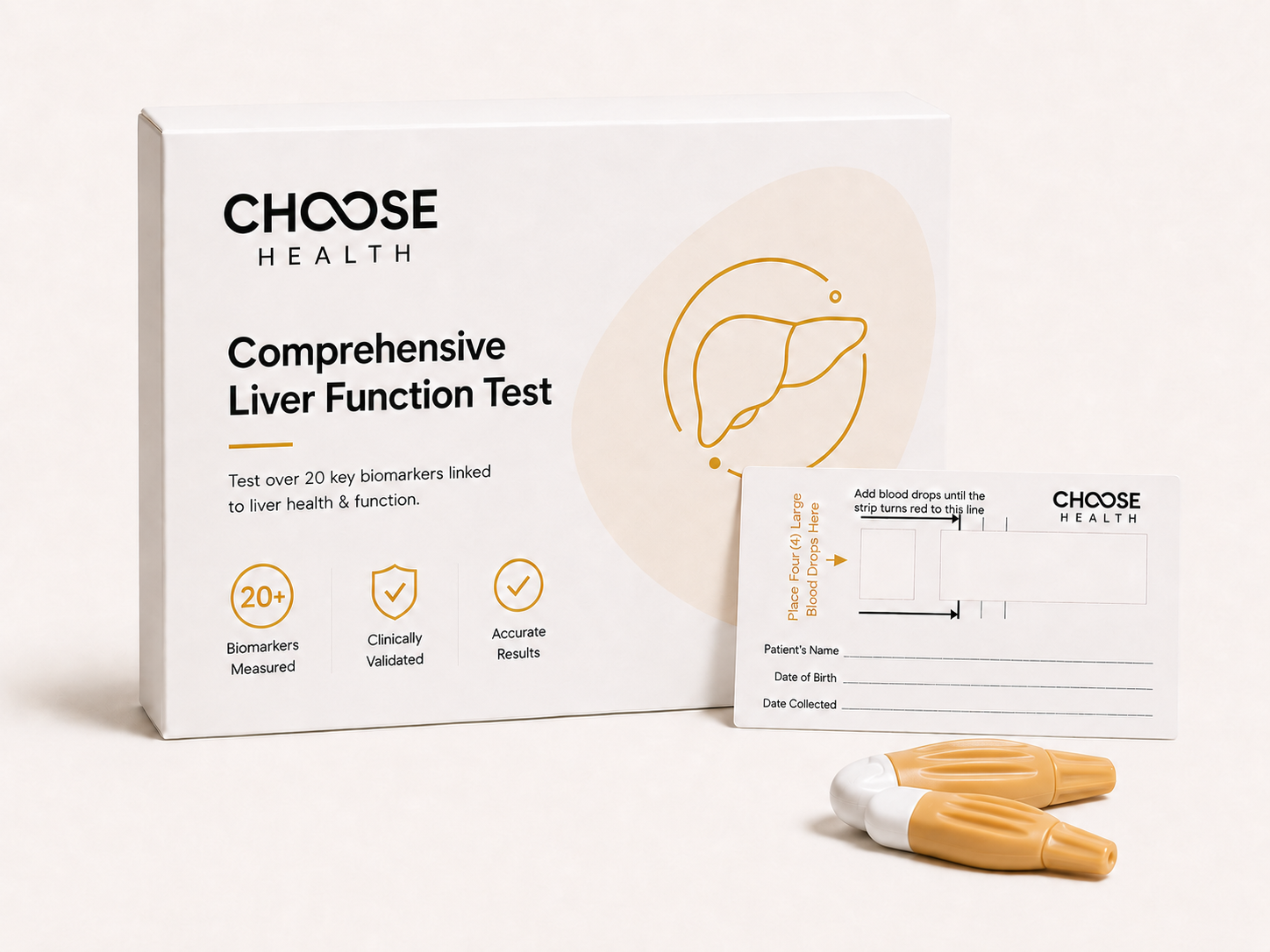
20+ biomarkers · DBS finger-prick
Comprehensive Liver Function Test
GGT, liver enzymes, cholesterol and metabolic markers in one finger-prick. Our most-recommended test.
- Liver
- Albumin, AST, ALT, GGT, total bilirubin
- Cardiovascular
- HDL, LDL, triglycerides, ApoA, ApoB
- Metabolic
- Fasting glucose, fasting insulin, HbA1c
- Iron
- Iron status
At-home finger-prick collection. Results in days.
This article is for informational purposes and is not a substitute for medical advice, diagnosis or treatment. Talk to your healthcare provider about your results and any dietary changes you're considering.