
Metabolic Health

eGFR Explained: What This Kidney Marker Means for Metabolic Health

eGFR (estimated glomerular filtration rate) is the primary lab marker used to assess kidney function. It shows up on standard blood panels, but many people don't know what it actually measures or why it matters for their overall health.

Author Image
Dr. Alan Farrell
This is some text inside of a div block.
calender-image
March 5, 2026
clock-image
5 min
man with low testosterone

What You'll Discover:

  • What eGFR measures and how it's calculated
  • What normal, low, and declining eGFR mean
  • How kidney function connects to metabolic health
  • When to retest and what to do with your results

What Is eGFR?

eGFR estimates how much blood your kidneys filter per minute, measured in milliliters per minute per 1.73 square meters of body surface area (mL/min/1.73m²). Your kidneys contain about one million tiny filtering units called glomeruli. When those filters are damaged or working below capacity, eGFR drops.

The "estimated" in eGFR comes from the calculation method. Labs derive eGFR from serum creatinine, along with your age and sex. Creatinine is a waste product from normal muscle metabolism. According to the National Kidney Foundation, eGFR is the most reliable single number for staging kidney function.

eGFR Normal Ranges by Age and Sex

eGFR naturally declines with age. A result of 85 mL/min at age 70 means something different than the same result at age 30.

Men
Age Optimal Kidney Function Mild Loss Moderate Loss Severe Loss
18-39 >100 90-99 70-89 40-69
40-64 >85 75-84 55-74 30-54
65+ >75 65-74 45-64 20-44
Women
Age Optimal Kidney Function Mild Loss Moderate Loss Severe Loss
18-39 >90 80-89 65-79 40-64
40-64 >80 70-79 54-69 30-54
65+ >70 60-69 45-59 20-44

These ranges come from Choose Health's reference values. Labs may use slightly different cutoffs. A single result matters less than the trend over time.

What Low eGFR Means

A low eGFR signals reduced kidney filtering capacity. It does not automatically mean kidney disease. One low result can reflect dehydration, intense exercise before the blood draw, certain medications, or high meat intake the day before testing.

If eGFR is low on a single test, retesting in 2-4 weeks under consistent conditions is the standard next step. Two or more low results, 90 days apart, suggest chronic kidney disease (CKD) according to NIH guidelines.

Symptoms of reduced kidney function often don't appear until eGFR drops below 30. Regular testing is the only reliable way to catch changes early.

eGFR and Metabolic Health

Kidney function and metabolic health are closely linked. This is a connection that often gets missed when blood work is reviewed in isolation.

Insulin resistance - Elevated insulin and blood sugar accelerate kidney damage by increasing pressure and inflammation inside the glomeruli. People with type 2 diabetes or insulin resistance are at significantly higher risk for declining eGFR. Understanding how the liver and insulin resistance connect gives you context for why metabolic health directly affects kidney outcomes.

High blood pressure - Hypertension is one of the two leading causes of CKD. Even mildly elevated blood pressure over years damages the small vessels inside the kidney.

Obesity and visceral fat - Excess abdominal fat drives inflammation and increases the metabolic load on the kidneys. Weight loss is associated with measurable improvements in eGFR in people with early kidney disease.

GLP-1 medications - Semaglutide and tirzepatide are associated with protective effects on kidney function in people with type 2 diabetes and CKD. Several ongoing trials are studying this mechanism.

What Else Gets Checked Alongside eGFR

eGFR alone gives you an estimate. To get a clearer picture, labs usually include:

  • Creatinine - The raw value used to calculate eGFR. Optimal is 0.74-1.35 mg/dL for men and 0.59-1.04 mg/dL for women.
  • BUN (blood urea nitrogen) - Another waste marker that rises when kidneys struggle.
  • Urine albumin-to-creatinine ratio (ACR) - Detects protein in urine, which is often the first sign of kidney stress.
  • Cystatin C - A newer marker that provides a more accurate estimate in older adults or those with low muscle mass.

Warning signs related to kidney health often appear in lab trends before any physical symptoms do.

Factors That Temporarily Affect eGFR

Some things can move your eGFR up or down without reflecting actual kidney health changes:

  • Dehydration - Reduces blood flow to kidneys and raises creatinine temporarily.
  • High protein meals - A large steak the night before testing can raise creatinine.
  • Intense exercise - Muscle breakdown raises creatinine transiently.
  • Certain medications - NSAIDs, some antibiotics, and contrast dyes used in imaging can temporarily depress eGFR.
  • Muscle mass - People with very high or very low muscle mass produce more or less creatinine, which can skew the eGFR estimate.

For the most accurate result, test fasting, well-hydrated, and without intense exercise in the 24 hours prior.

When to Retest eGFR

For most adults, eGFR is included in a comprehensive metabolic panel (CMP) ordered annually. If your eGFR is in the optimal range and you have no metabolic risk factors, annual testing is sufficient.

Retest every 3-6 months if you:

  • Have been told you have stage 1-3 CKD
  • Have type 2 diabetes or insulin resistance
  • Take medications that affect kidney function (NSAIDs, lithium, certain blood pressure drugs)
  • Have had a single low eGFR result

Declining eGFR is easier to act on when you have a trend over time rather than a single data point. At-home blood testing can make that kind of regular monitoring more practical. Kidney health monitoring at home is inc

at home testosterone test

Frequently Asked Questions

What is a normal eGFR for my age?Normal ranges shift with age. For adults 18-39, optimal eGFR is above 100 mL/min for men and above 90 mL/min for women. By age 65+, optimal drops to above 75 for men and above 70 for women. A single number in the mild loss range is not automatically a problem, but it warrants retesting.

Can eGFR improve?Yes, particularly in early-stage kidney disease. Improving blood sugar control, lowering blood pressure, losing weight, and reducing NSAID use can all produce measurable eGFR increases. The earlier the intervention, the more room there is for improvement.

Is eGFR affected by diet?High-protein meals the night before testing can temporarily raise creatinine and lower the eGFR estimate. For consistent results, avoid large protein-heavy meals and intense exercise in the 24 hours before your blood draw.

What is the difference between eGFR and creatinine?Creatinine is the raw waste marker measured in your blood. eGFR is a calculated estimate derived from creatinine, age, and sex. eGFR is more clinically useful because it adjusts for the fact that creatinine production varies based on muscle mass and demographics.

At what eGFR level should I see a nephrologist?Most guidelines recommend nephrology referral when eGFR falls below 30 mL/min, or sooner if there is rapid decline, significant protein in the urine, or unclear cause. Your primary care clinician will typically make this referral based on the full picture.

Summary

eGFR is a calculated estimate of how well your kidneys filter waste from your blood. Normal ranges vary by age and sex. A single low result is not diagnostic, but a declining trend signals something worth addressing. Because kidney function is directly tied to metabolic health, blood sugar, blood pressure, and insulin resistance all affect where your eGFR goes over time.

This article is for educational purposes and does not substitute for medical advice. Consult your clinician before making changes based on any lab results.

Related Product
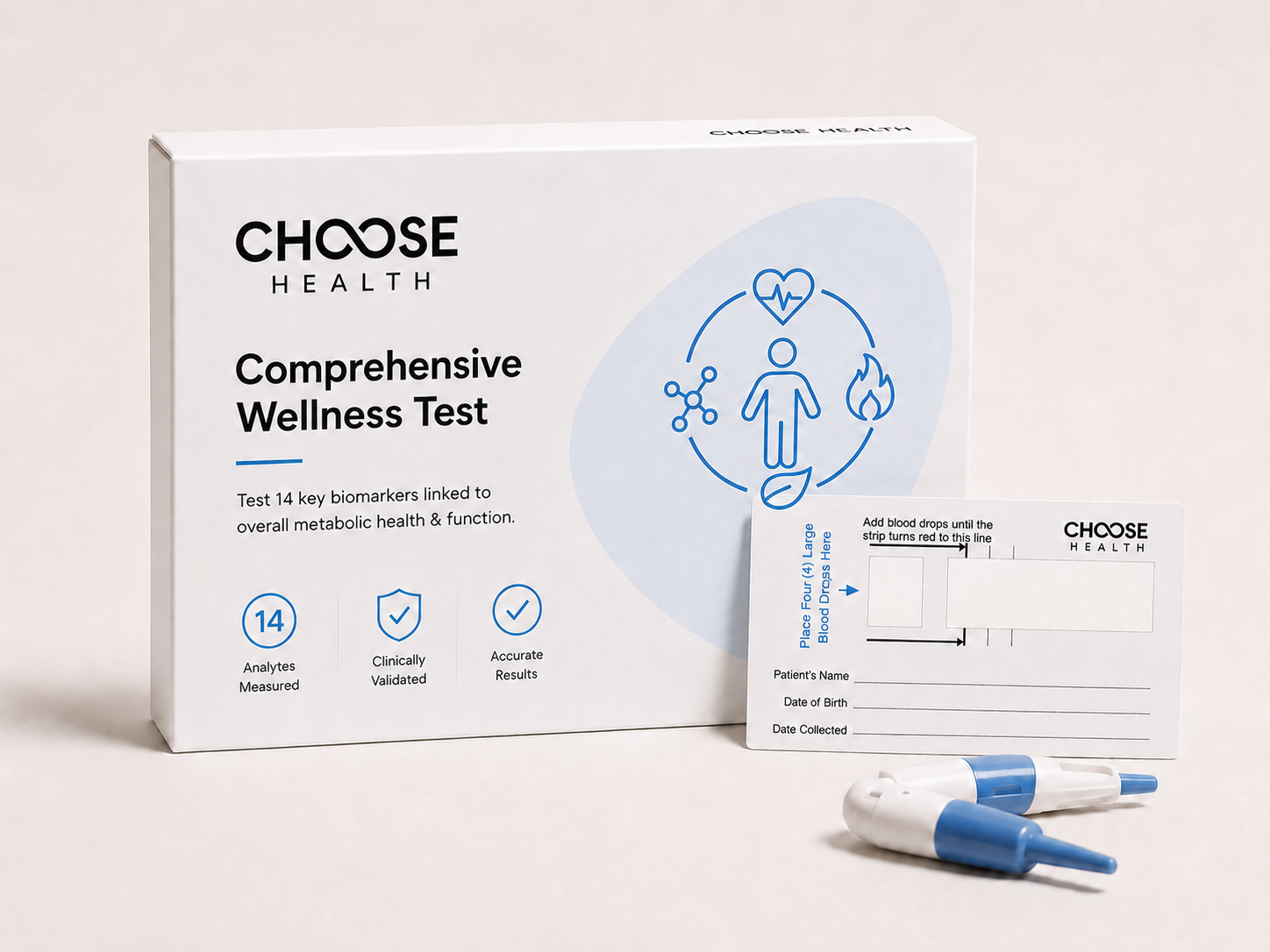
Comprehensive Metabolic Test
Test 14 key biomarkers linked to overall metabolic health & function
$
145
Learn More
Related Articles
No items found.