




GLP-1 medications like Ozempic®, Wegovy® and Mounjaro® have changed how we approach weight loss and type 2 diabetes. By improving insulin release, slowing the speed at which food leaves your stomach, and helping control appetite, they can produce significant improvements in blood sugar and body weight.
They also interact with the pancreas in ways that warrant monitoring. Many people taking a GLP-1 are surprised to see pancreatic enzymes on a lab report, and understandably anxious when the result reads elevated or borderline high.
What you'll learn
- How GLP-1 medications interact with the pancreas
- What amylase and lipase indicate about pancreatic health
- Normal ranges and how to interpret your results
- A practical testing schedule for GLP-1 users
- Warning signs that need immediate attention
- How at-home testing fits into a monitoring plan
What the pancreas actually does
The pancreas is a long, flat gland behind your stomach that quietly holds down two jobs.
Job one
Hormone production
It releases insulin and glucagon into the bloodstream to keep blood sugar in range. Insulin moves glucose into cells after a meal. Glucagon signals the liver to release stored sugar when levels dip.
Job two
Digestive enzymes
It produces enzymes that flow into the small intestine and break down carbohydrates, fats and proteins. Amylase handles starches. Lipase handles fats.
Under normal conditions only small amounts of these enzymes leak into the bloodstream, which is exactly what makes them useful markers of pancreatic activity on a blood test.
How GLP-1 medications affect the pancreas
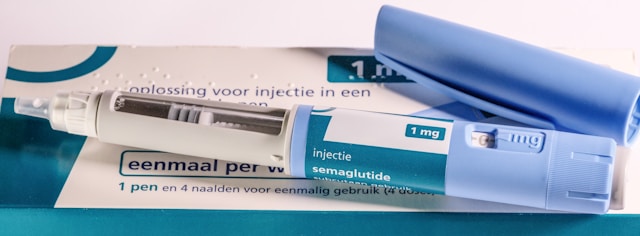
GLP-1 receptor agonists were developed to work on the endocrine side of the pancreas, particularly the insulin-producing beta cells. By mimicking the body's natural GLP-1 hormone, they enhance insulin secretion when blood sugar is high, reduce glucagon release when it isn't needed, and slow gastric emptying.
Researchers later found that GLP-1 receptors aren't limited to endocrine cells. They also appear on acinar cells, the cells that produce amylase and lipase. When the medication activates those receptors, it can subtly change how much enzyme those cells produce and how much reaches the bloodstream.
The core markers to monitor
Amylase
Normal range: 28 to 100 U/L, varies by lab
Amylase breaks down starches and carbohydrates. It's produced mainly by the pancreas and the salivary glands, and levels can rise when pancreatic cells are stressed or inflamed.
| Level | What it generally means |
|---|---|
| Within range | Pancreatic enzyme production is normal |
| Up to 2x upper limit | Common on GLP-1 therapy, often not concerning |
| 2 to 3x upper limit | Worth discussing with your provider |
| Above 3x upper limit | Needs evaluation, especially with symptoms |
Levels slightly above or below a lab's reference range happen for many reasons and aren't always serious. Dehydration, minor digestive upset, gallbladder issues, medications and past pancreatic irritation can all influence the result.
Lipase
Normal range: 0 to 160 U/L, varies by lab
Lipase breaks fats into fatty acids and glycerol so they can be absorbed. It's produced almost exclusively by the pancreas, which makes it a more specific marker of pancreatic health than amylase.
| Level | What it generally means |
|---|---|
| Within range | Pancreatic function is normal |
| Up to 2x upper limit | Often seen with GLP-1 use, usually benign |
| 2 to 3x upper limit | Warrants follow-up testing |
| Above 3x upper limit | Requires prompt evaluation |
Lipase is generally the more reliable indicator when evaluating pancreatic stress. As with amylase, mild elevations without symptoms are frequently seen with GLP-1 use and don't automatically signal a problem.
When to test
Baseline values before treatment create a reference point for every future comparison. This matters most if you have any history of pancreatic issues, gallbladder problems or very high triglycerides.
The early phase involves dose escalation. Testing at the 6-week and 12-week marks catches significant enzyme changes early. Watch for persistent nausea or abdominal discomfort alongside the numbers.
Once you're on a stable dose and tolerating it well, this frequency tracks metabolic improvements and catches gradual enzyme shifts.
Who should monitor more closely
- Previous pancreatitis or pancreatic issues
- History of gallstones or gallbladder disease
- Very high triglycerides, above 500 mg/dL
- Heavy alcohol use
- Family history of pancreatic disease
- Long-duration type 2 diabetes
This doesn't mean GLP-1 medications are unsafe for these groups. It means monitoring provides an extra layer of protection.
Understanding the real pancreatitis risk
Pancreatitis, inflammation of the pancreas, can cause severe abdominal pain and can sometimes be serious. Any suggestion that GLP-1 medications could raise that risk has drawn a lot of attention. Early case reports and observational data raised alarms, but larger randomized trials and follow-up analyses have produced a more nuanced picture.
The general consensus is that the absolute risk with GLP-1 therapy appears low, particularly set against the benefits these medications offer for people with obesity and type 2 diabetes. The risk is not zero, and it may be higher for people with a personal history of pancreatitis, very high triglycerides, gallstones, heavy alcohol use or existing pancreatic disease.
Sudden, intense pain in the upper abdomen that may radiate to the back, persistent nausea and vomiting, rapid heart rate, fever, or severe tenderness in the mid-abdomen. These warrant urgent evaluation whether or not you take a GLP-1. If you are on one and experience them, seek care immediately rather than waiting for your next appointment.
It's equally important to recognize that mild elevations, particularly below three times the upper limit of normal in someone without symptoms, are often not considered dangerous on their own. Many people on these medications fall into that category. There, the focus tends to be regular monitoring, lifestyle support and open communication with the prescriber rather than automatically stopping treatment.
Patches, supplements and natural GLP-1
Not everything labeled GLP-1 affects the body the same way. Prescription GLP-1 receptor agonists directly activate GLP-1 receptors and have well-studied effects on insulin release, appetite regulation and digestive function. Because they act systemically, they may be associated with changes in amylase and lipase.
GLP-1 patches and supplements, often marketed as natural or drug-free alternatives, typically don't contain GLP-1 itself. They may include nutrients, peptides or plant-derived compounds intended to support your own GLP-1 signaling. These products aren't evaluated or regulated the same way as prescription medications, and there's limited clinical data on their effects on pancreatic enzymes or long-term pancreatic health.
Enzyme changes observed with prescription medications can't be assumed to apply, or not apply, to patches or supplements. Anyone using either, particularly with prior pancreatic conditions or unexplained digestive symptoms, may benefit from baseline and follow-up testing to understand their own response.
Supporting pancreatic health
- Hydration. Adequate fluid intake supports digestive function and helps with the GI side effects common during dose escalation.
- Alcohol moderation. Heavy alcohol use stresses the pancreas independently. Reducing intake while on GLP-1 therapy lowers cumulative risk.
- Gradual dose increases. Following your prescriber's titration schedule reduces the likelihood of significant enzyme fluctuations.
- Dietary support. Magnesium and zinc play a role in enzyme synthesis, so foods rich in both can complement your monitoring.
At-home enzyme testing
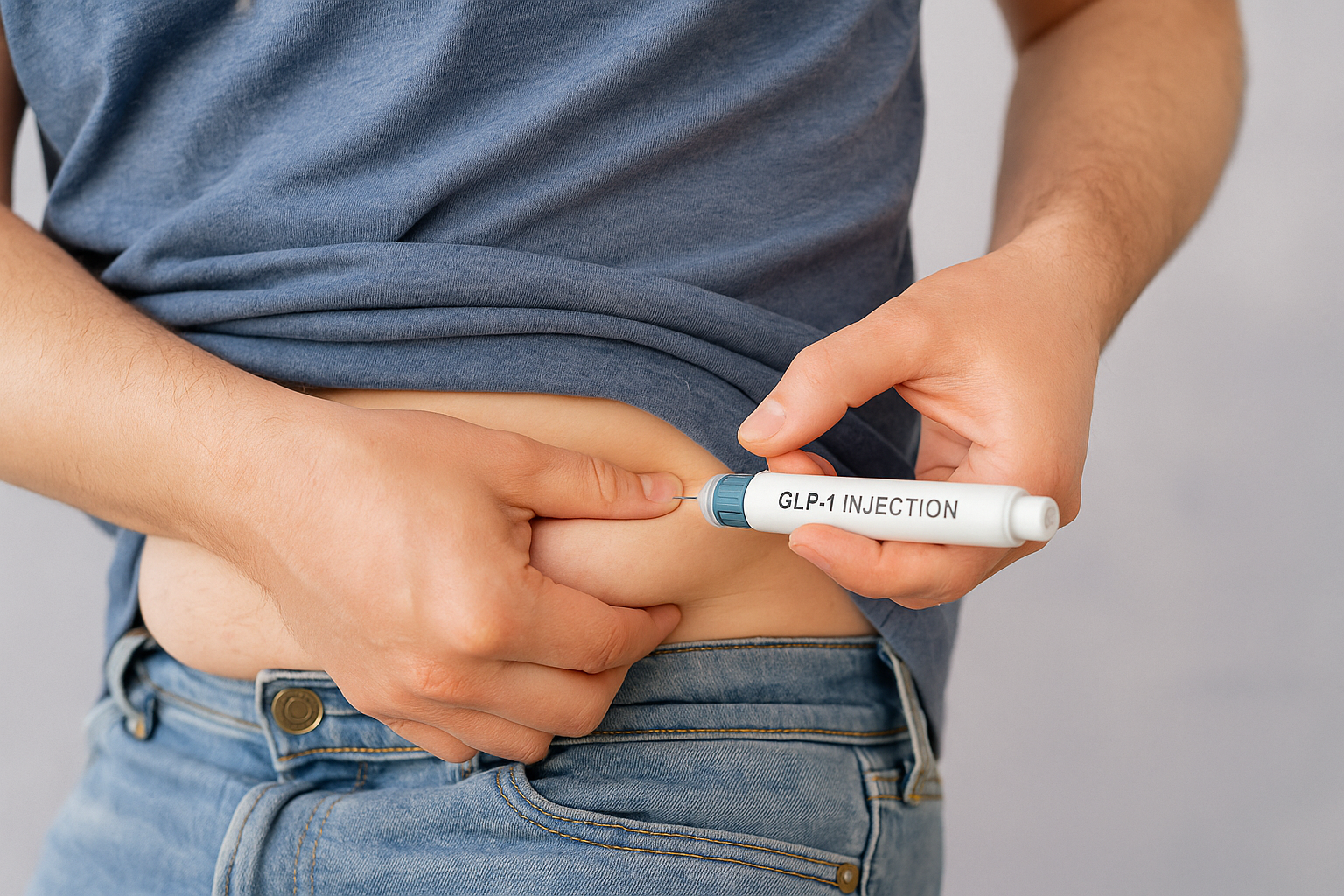
Traditional lab testing means scheduling appointments, traveling to a lab and waiting on results. For people on GLP-1 therapy who need regular monitoring, that gets burdensome fast.
At-home testing offers an alternative. Using a finger-prick sample you can measure pancreatic enzymes from home and receive results reviewed by board-certified clinicians. You order a kit, collect a small sample, mail it to a CLIA-certified lab, get results in days, and track trends over time in your dashboard.
This makes it easier to establish baselines, monitor through dose changes and maintain regular surveillance without disrupting your schedule.
Why regular monitoring matters
Even if you feel well, keeping an eye on pancreatic enzymes is a proactive way to support your health on a GLP-1. Monitoring gives you a fuller picture of how your body is responding, beyond weight and blood sugar alone.
If levels stay stable, you and your clinician both gain confidence. If they shift noticeably, that information can prompt further evaluation, a temporary pause, a dose adjustment or imaging where appropriate. Monitoring turns vague worry about the pancreas into data you can discuss calmly.
Frequently asked questions
How common is pancreatitis on GLP-1 medications?
Rare. Large clinical trials show the absolute risk is low, though slightly higher than in people not taking these medications. Most enzyme elevations are mild and don't progress to pancreatitis.
Should I stop my GLP-1 if amylase or lipase is elevated?
Not necessarily. Mild elevations without symptoms are common and often not clinically significant. Your provider will interpret the results in context and advise whether any change is needed. Do not stop a prescribed medication without speaking to your prescriber.
Can I test pancreatic enzymes at home?
Yes. At-home tests are available and processed by certified laboratories. Results are clinician-reviewed and can be shared with your healthcare provider.
How often should I test on GLP-1 therapy?
Baseline before starting, follow-up at 6 and 12 weeks during dose escalation, then every 3 to 6 months for ongoing monitoring. Higher-risk individuals may need more frequent testing.
Do GLP-1 patches and supplements require monitoring?
These products have far less clinical data than prescription medications. If you're using them, particularly with a history of pancreatic issues, periodic enzyme testing can help you understand your own response.
Is lipase or amylase more important?
Lipase is generally considered more specific to the pancreas, since it's produced almost exclusively there. Both markers together give a more complete picture.
Monitor with data, not guesswork
The goal of GLP-1 monitoring isn't to look for problems. It's to have information that lets you and your provider make informed decisions. Most people on GLP-1 therapy never develop pancreatic complications, and those who monitor regularly can catch changes early and feel confident their therapy is working safely.
You don't have to guess how your pancreas is handling treatment. You can measure it.
Comprehensive GLP-1 Test
Lipase alongside 17 other biomarkers covering liver, kidney, metabolic, cardiovascular, thyroid and inflammation, from one finger-prick sample.
$185 GLP35 for $35 off · Basic GLP-1 Test $125 with GLP15 for $15 offThis test does not diagnose pancreatitis and does not replace medical care. This article is for informational purposes and is not a substitute for medical advice, diagnosis or treatment. Do not start, stop or change a prescribed medication based on at-home test results. Ozempic, Wegovy and Mounjaro are registered trademarks of their respective owners and are not affiliated with Choose Health.
.png)
.jpeg)