


Heavy alcohol use can lower testosterone by up to 30%. That's not a small dip. It's enough to affect energy, mood, body composition, and overall health.
If you drink regularly and have noticed changes in how you feel, your testosterone levels are worth measuring. The good news is that alcohol's effects on testosterone are reversible.
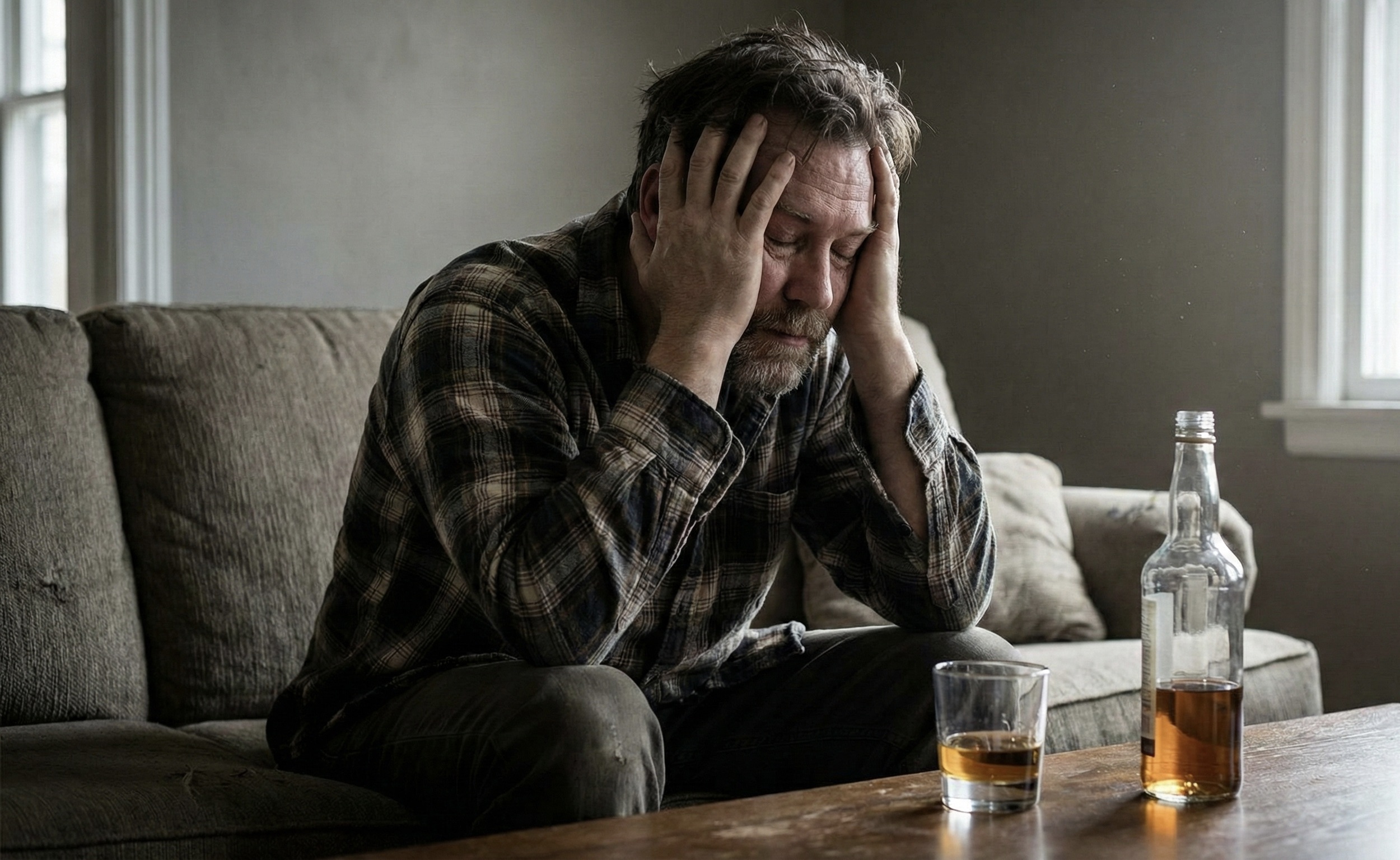
Alcohol doesn't affect testosterone through just one pathway. According to research published in the National Institutes of Health, it disrupts hormone production through multiple mechanisms, which is why the effects can be significant for regular drinkers.
HPA Axis Disruption - Alcohol interferes with the hypothalamic-pituitary-gonadal axis, suppressing luteinizing hormone (LH) and follicle-stimulating hormone (FSH). Both are needed for testosterone production.
Cellular Damage - Alcohol is a toxin that damages Leydig cells in the testes. Leydig cells are responsible for producing testosterone.
Inflammation and Oxidative Stress - Alcohol creates free radicals that cause inflammation throughout the body. A 2023 review in Expert Review of Endocrinology & Metabolism identified inflammation and oxidative stress as primary mechanisms in alcohol-induced testosterone reduction.
Increased Estrogen - Excessive alcohol use increases fatty tissue that produces estrogen. Alcohol also stimulates aromatase, an enzyme that converts testosterone into estrogen.
NAD+ Depletion - NAD+ is a coenzyme required for testosterone synthesis. Alcohol depletes NAD+ levels.
Nutrient Deficiencies - Heavy drinking leads to zinc and vitamin D deficiencies, both of which are essential for healthy testosterone production.
These effects compound over time. The longer and heavier the drinking, the more pronounced the impact on hormone levels.
What Low Testosterone Looks Like
Low testosterone doesn't always announce itself clearly. Many symptoms overlap with general fatigue or aging.
Common signs include:
- Decreased energy and motivation
- Reduced muscle mass or difficulty building muscle
- Increased body fat, especially around the midsection
- Lower libido
- Poor sleep quality
- Mood changes, including irritability or low mood
- Brain fog or difficulty concentrating
If you drink regularly and recognize several of these symptoms, testing your testosterone gives you concrete data instead of guesswork.
Total testosterone measures all testosterone in your blood. Free testosterone measures the portion available for your body to use. Both matter for understanding your hormone health.
When to Test Testosterone
Timing matters for accurate results.
Testosterone levels are highest in the morning, typically between 7-10 AM. Testing during this window gives you the most accurate reading. Levels can drop by 20-25% later in the day, which could make normal levels appear low.
For people who drink regularly, consider testing:
- Now - Establish your baseline while drinking at your current level
- 4 weeks after reducing alcohol - Early improvements often appear by this point
- 3 months after reducing alcohol - Hormone production should be stabilizing
- 6 months after reducing alcohol - Full recovery for heavy drinkers
This approach lets you see the trajectory of your recovery, not just a single snapshot.
What to Expect During Recovery
A meta-analysis of 21 studies involving over 10,000 men confirmed that chronic alcohol consumption significantly reduces testosterone, free testosterone, and SHBG while increasing estradiol. The good news: these effects reverse with abstinence.
Research on male alcoholics during detoxification found that testosterone levels were low during early recovery but increased after three weeks of sobriety.
Days 1-7 - The body begins detoxifying. Testosterone levels may still be suppressed.
Weeks 2-4 - Many men notice improved energy and libido as the HPA axis begins normalizing and cellular repair starts. Moderate drinkers often see measurable improvements by this point.
Months 1-3 - Testosterone production increases as Leydig cells recover and inflammation decreases.
Months 3-6 - Hormone levels typically stabilize within optimal ranges for most people. Heavy or long-term drinkers may need the full six months.
The Liver Connection
Your liver and hormones are closely connected. The liver metabolizes estrogen, and when liver function is compromised, estrogen levels can rise while testosterone falls.
If you're testing testosterone after reducing alcohol, consider testing your liver enzymes as well. ALT, AST, and GGT all respond to alcohol reduction. Tracking both gives you a complete picture of how your body is recovering.
Many people who reduce drinking see improvements in both liver enzymes and testosterone levels within the same timeframe.
Testing at Home
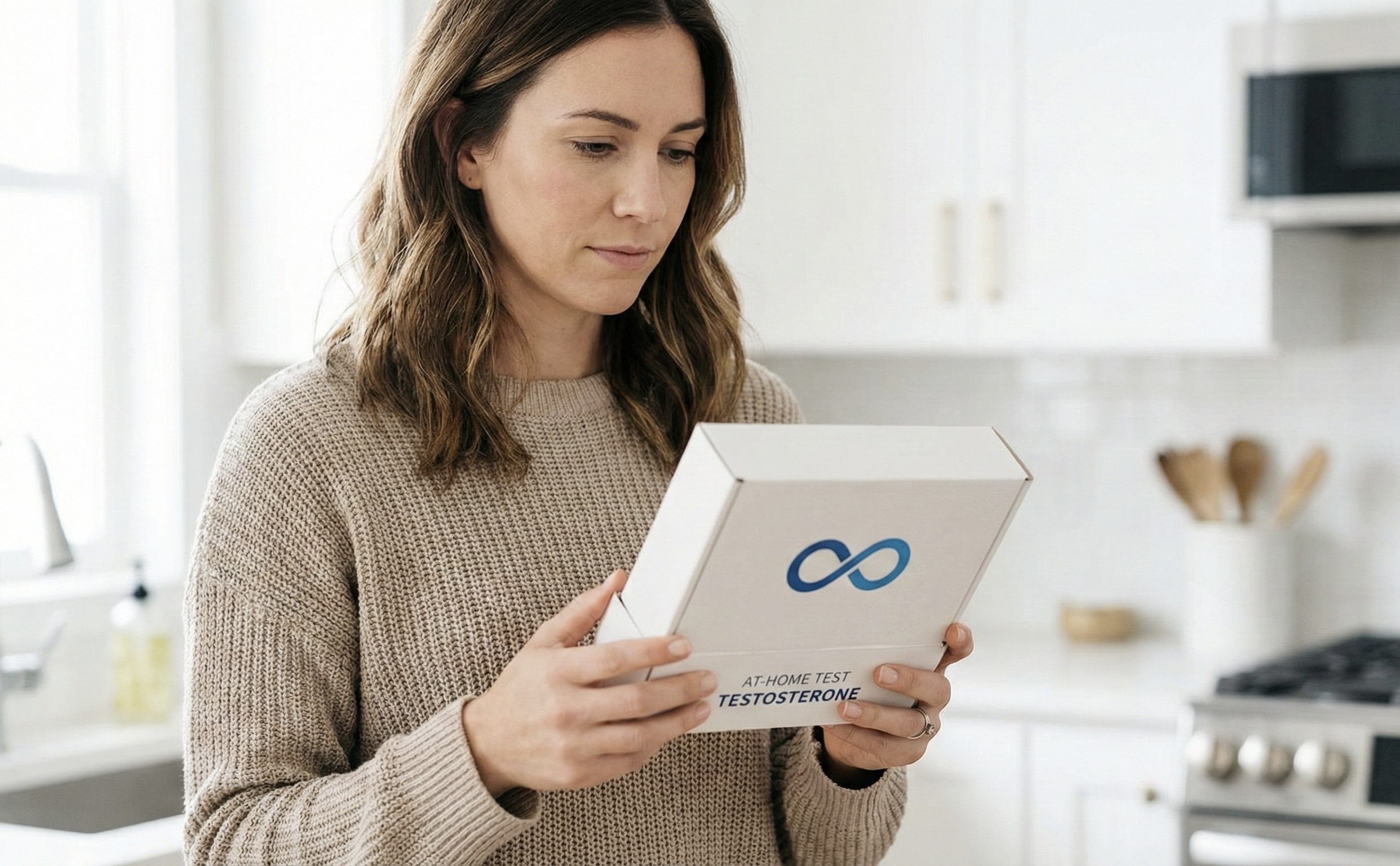
At-home testosterone testing makes it practical to test multiple times during recovery. You can establish a baseline, track changes at 4 weeks, and confirm stabilization at 3-6 months without multiple lab visits.
Choose Health's testosterone blood test measures both total and free testosterone from a simple finger-prick sample. Results arrive within days and are tracked in your dashboard so you can see trends over time.
For a more complete picture, combining hormone testing with a liver panel shows how both systems are responding to reduced alcohol intake.
The Bottom Line
Alcohol affects testosterone through multiple pathways, from HPA axis disruption to cellular damage to nutrient depletion. The effects are real, but they're also reversible.
Testing before and after reducing alcohol gives you data on your specific situation. You'll know where you started, whether you're improving, and when your levels have stabilized.
If you've been drinking regularly and want to understand how it's affected your hormones, start with your numbers. Test now, reduce your intake, and retest in 3 months. The data tells the story.
.png)