



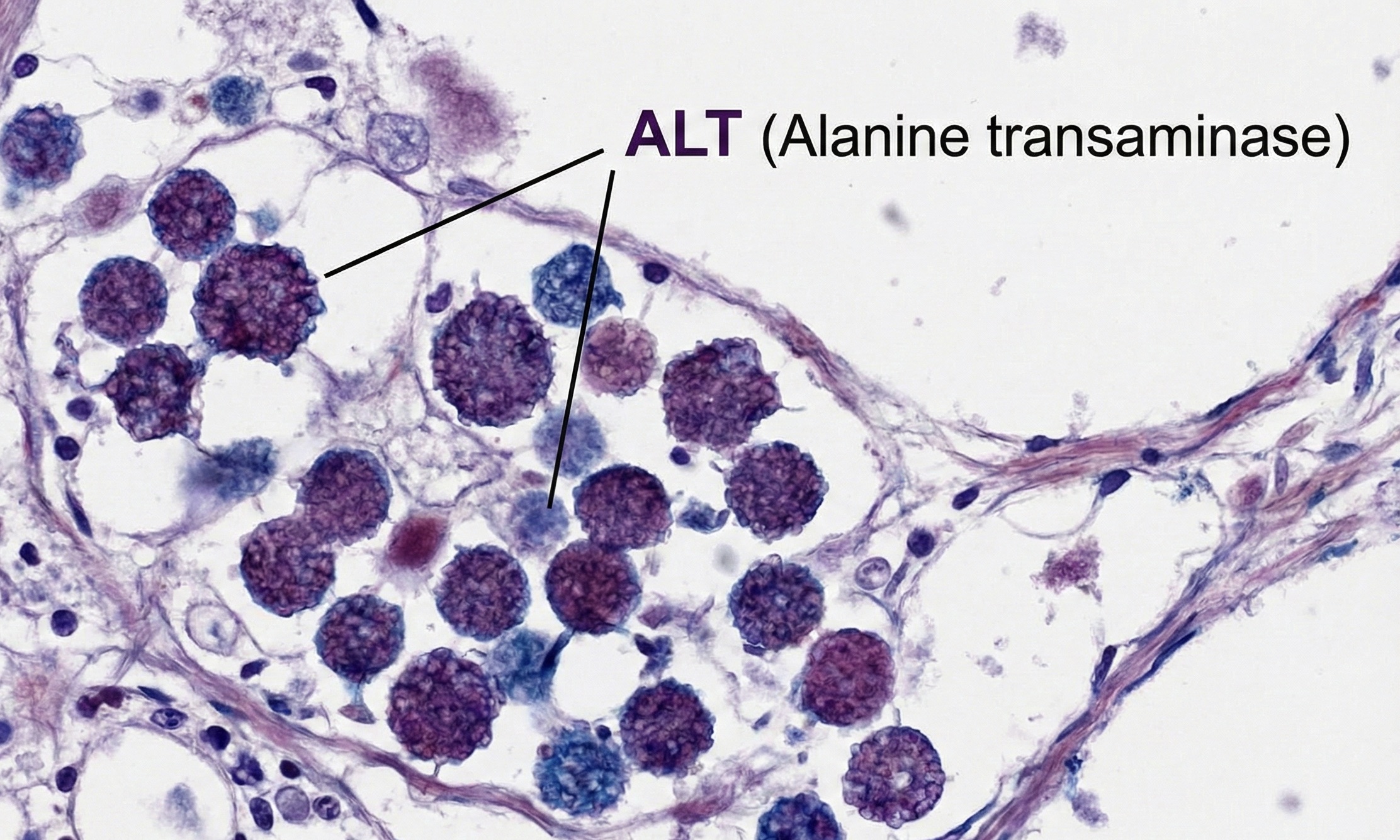
The ALT blood test, also known as alanine aminotransferase or SGPT, is one of the most important markers for understanding liver health. ALT is an enzyme stored in liver cells; when those cells are stressed or inflamed, ALT levels change.
But many people see results like ALT 8 (U/L), ALT “low”, or “mildly elevated” ALT, and don’t know what it means.
ALT Blood Test Normal Range
ALT Interpretation Basics
Establish your ALT baseline
Measure ALT with the supporting liver markers that help put the number in context, then retest after making a change.
The ALT blood test, also known as alanine aminotransferase or SGPT, is one of the most important markers for understanding liver health. ALT is an enzyme stored in liver cells; when those cells are stressed or inflamed, ALT levels change.
But many people see results like ALT 8 (U/L), ALT “low”, or “mildly elevated” ALT, and don’t know what it means.
ALT Blood Test Normal Range
ALT Interpretation Basics
Establish your ALT baseline
Measure ALT with the supporting liver markers that help put the number in context, then retest after making a change.

FAQS
Is ALT or AST more important?
What is ALT in a blood test?
ALT (alanine aminotransferase) is a liver enzyme that helps your body process amino acids. It mostly lives inside liver cells, so when the liver becomes irritated or inflamed, ALT leaks into the bloodstream. This makes ALT one of the most specific markers of liver health.
When should you worry about ALT levels?
ALT becomes more concerning when it stays elevated for more than 3 months, or when levels reach 5–20× normal, which may indicate more significant liver injury, medication effects, or viral hepatitis.
Is 70 a high ALT level?
Yes. ALT of 70 U/L is above normal for both men and women.
- For men, it’s typically ~1.5× the upper limit
- For women, it’s often ~2× the upper limit
A single high or low ALT value is less meaningful than tracking results over time. Trends provide a clearer picture of liver health.
Conclusion
ALT is one of the most important liver enzymes to track for overall health. Whether your ALT is high, low, or simply borderline, your results are best understood in context. Your lifestyle, medications, alcohol use, and metabolic health all influence ALT values.
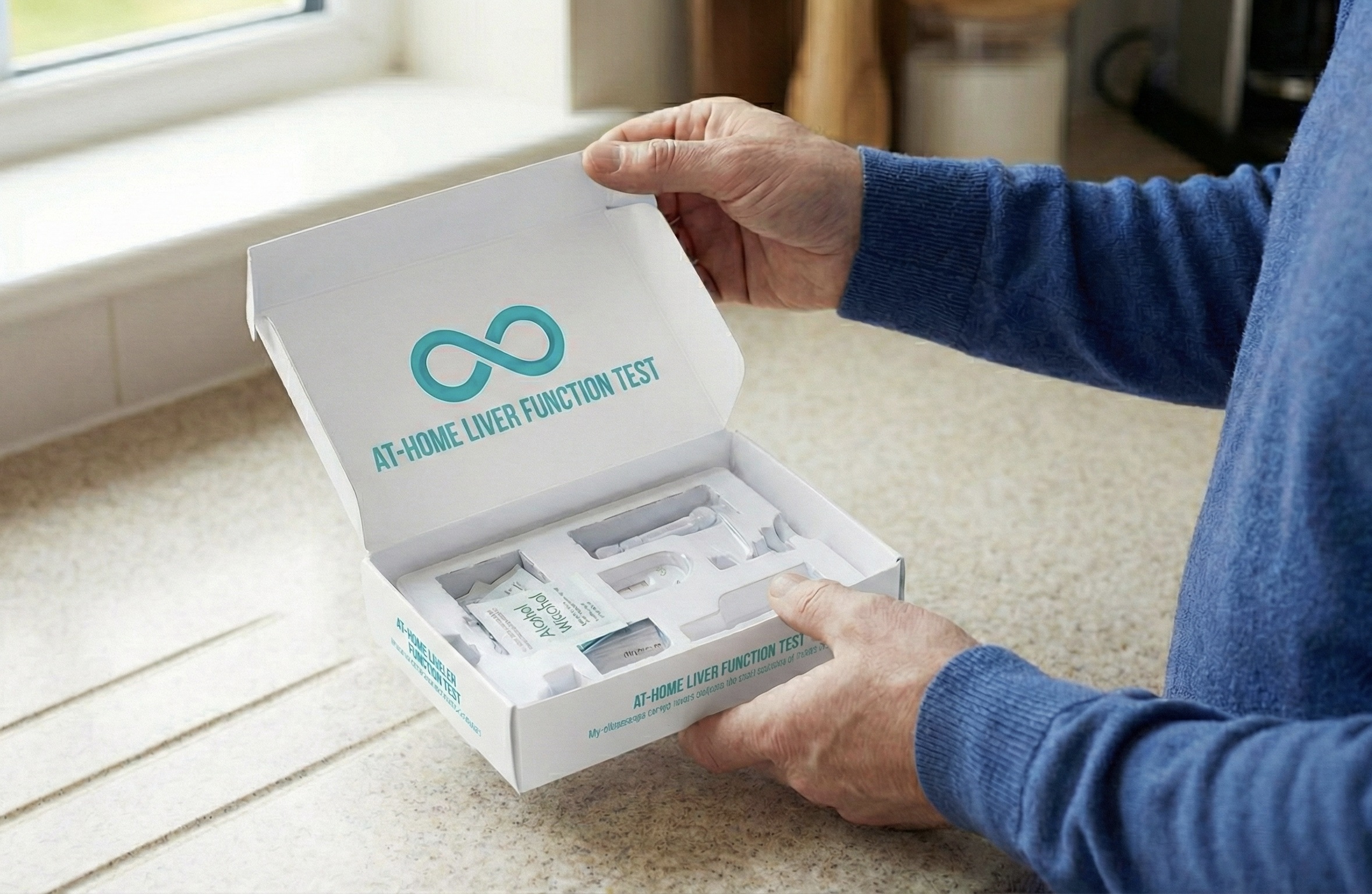
If you want clear insight into your liver enzymes without visiting a clinic, an at-home liver function test can help you monitor ALT, AST, and other markers quickly and conveniently.
Track ALT instead of guessing
Measure ALT with AST, GGT and the AST:ALT ratio, then retest after changing alcohol use, nutrition, exercise or another factor that may be affecting your liver markers.
.png)
.jpeg)


.jpeg)