



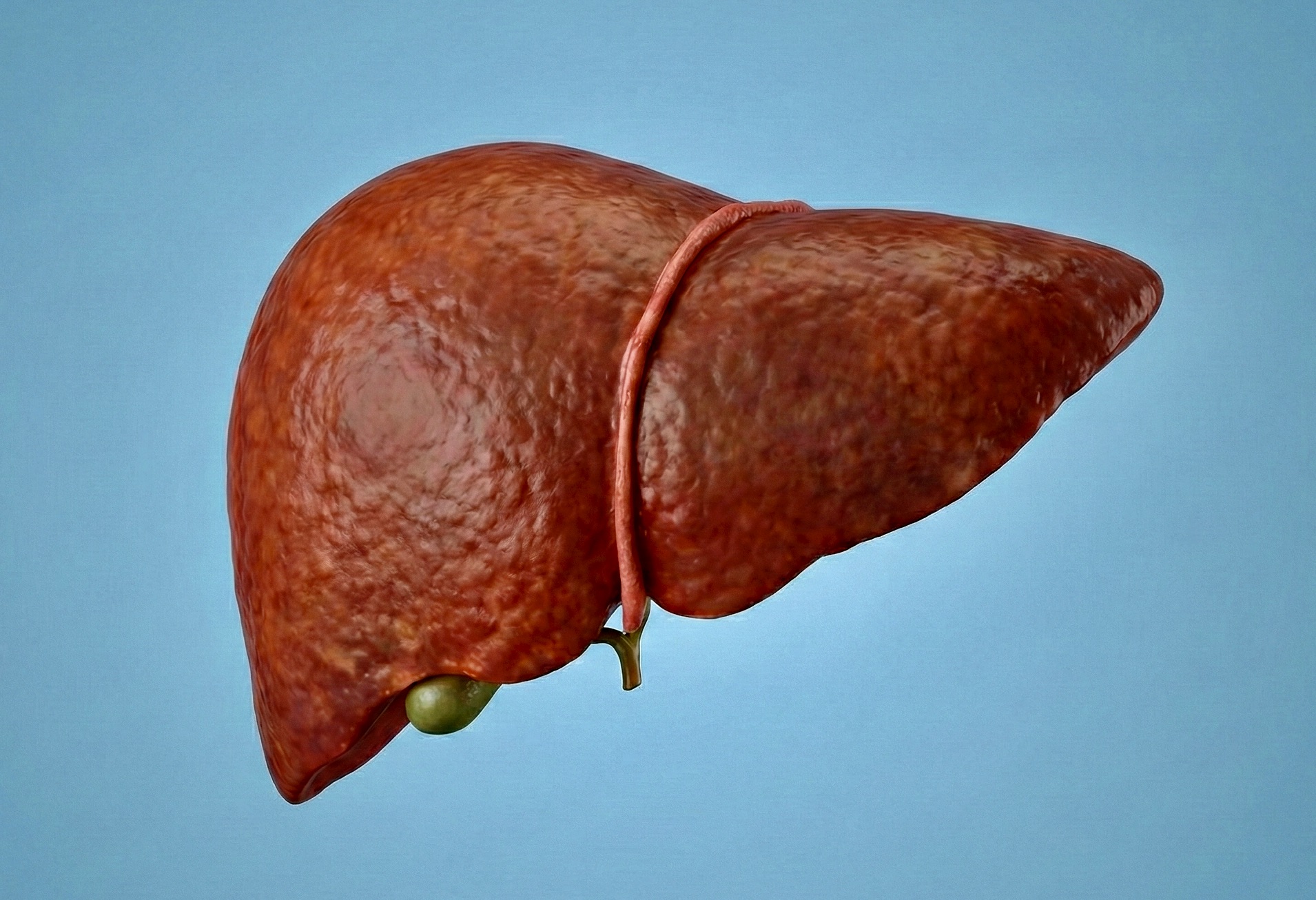
But today, it’s not just clinicians who want this information. Millions of people are proactively tracking their own health markers. Whether it’s monitoring the effects of alcohol, checking on supplements or medications, or simply wanting a clearer picture of long-term health, more individuals are looking for direct access to their liver numbers without waiting for a doctor’s appointment.
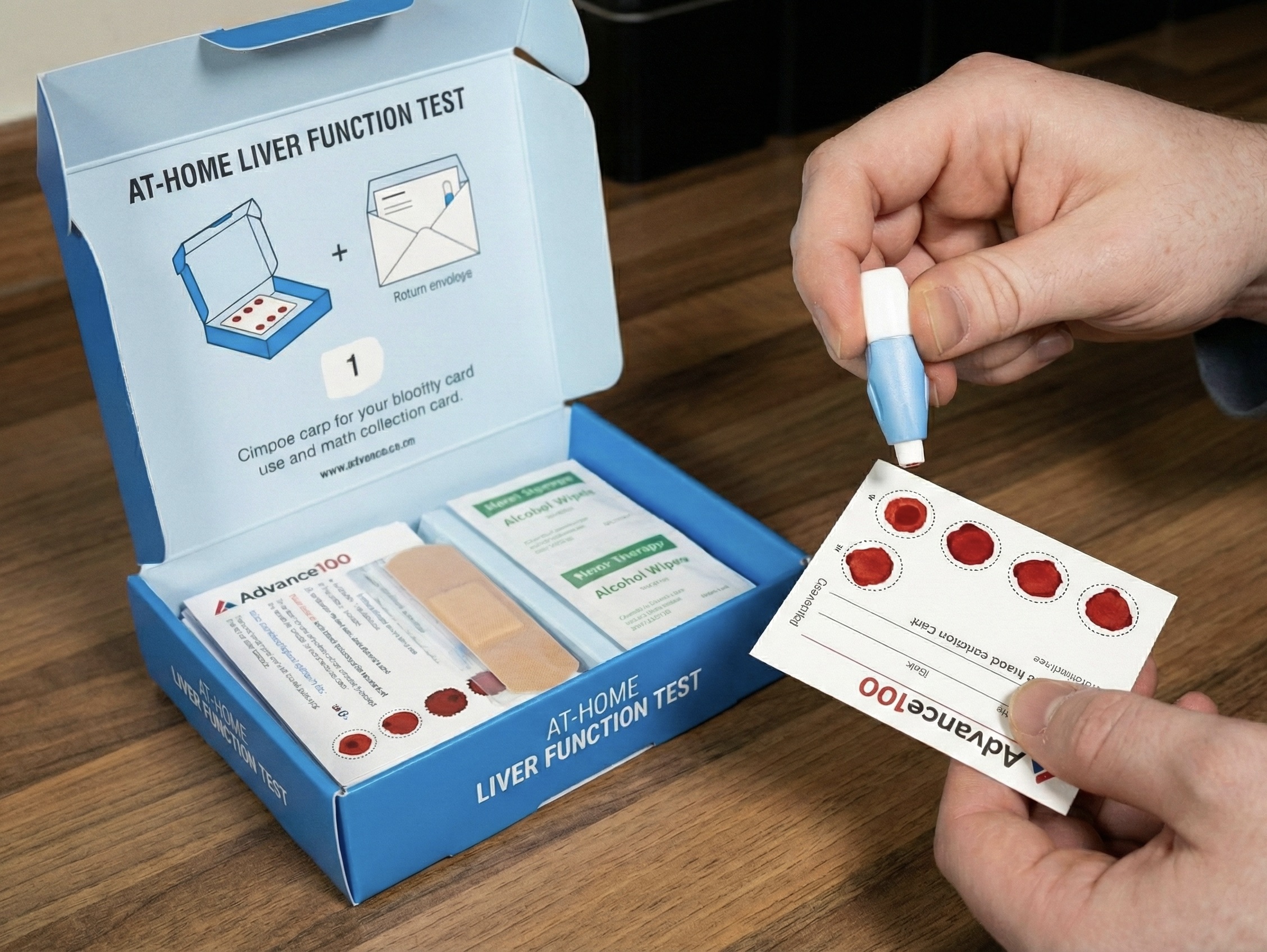
At-home liver function tests now make this possible with less money and time needed. With a simple finger-prick sample, you can check your levels, spot changes early, and track trends over time.
This guide breaks down everything you need to know about liver function testing, what your results mean, and when you should consider retesting.
What Is a Liver Function Test (LFT)?
A liver function test is a blood test that measures a group of enzymes and proteins that reflect how well your liver is working. These markers help detect:
- Early liver injury
- Fatty liver disease
- Alcohol-related liver stress
- Bile duct issues
- Metabolic dysfunction
- Inflammation
- Medication-related liver effects
Each biomarker reveals something slightly different about liver function… together they provide a complete picture.
The Core Liver Enzymes Explained
ALT (Alanine Aminotransferase)
ALT is one of the first markers to rise when liver cells are inflamed or under stress. Common causes of elevated ALT:
- Fatty liver / metabolic dysfunction
- Alcohol use
- Medications (e.g., Tylenol, statins)
- Hepatitis
- Weight gain + insulin resistance
AST (Aspartate Aminotransferase)
AST increases when liver, muscle, or heart tissue is under stress. It’s useful when interpreted alongside ALT. AST:ALT ratio helps identify:
- Alcohol-related liver stress
- Fatty liver disease
Muscle injury - Liver inflammation patterns
GGT (Gamma-Glutamyl Transferase)
GGT is a sensitive marker of bile duct function and oxidative stress. It often rises before other enzymes. High GGT can indicate:
- Alcohol use or recent drinking
- Early metabolic dysfunction
- Bile duct issues
- Medication effects
Chronic oxidative stress
Most people with early liver dysfunction feel no symptoms at all. This is why LFTs are often the first sign of:
Ranges vary slightly by lab; but the best way to understand what a healthy baseline for your liver is, is to test over time.
At-Home Liver Testing: How It Works
We offer at-home liver function testing designed to make monitoring simple:
- Collect a finger-prick sample using the included kit
- Send it to our CLIA-certified lab in a prepaid envelope
- Results are shared within 3 days after sample reaches the lab
- Track trends over time inside your dashboard
Receive next-step recommendations and insights based on your enzyme patterns.
When Should You Test Your Liver Function?
Experts recommend liver function tests if you:
- Drink alcohol regularly
- Have elevated HbA1c or blood sugar
- Carry extra weight around your midsection
- Have family history of metabolic or liver disease
- Take medications processed by the liver
- Are trying to reverse fatty liver
- Have elevated cholesterol or triglycerides
- Want to monitor long-term health proactively
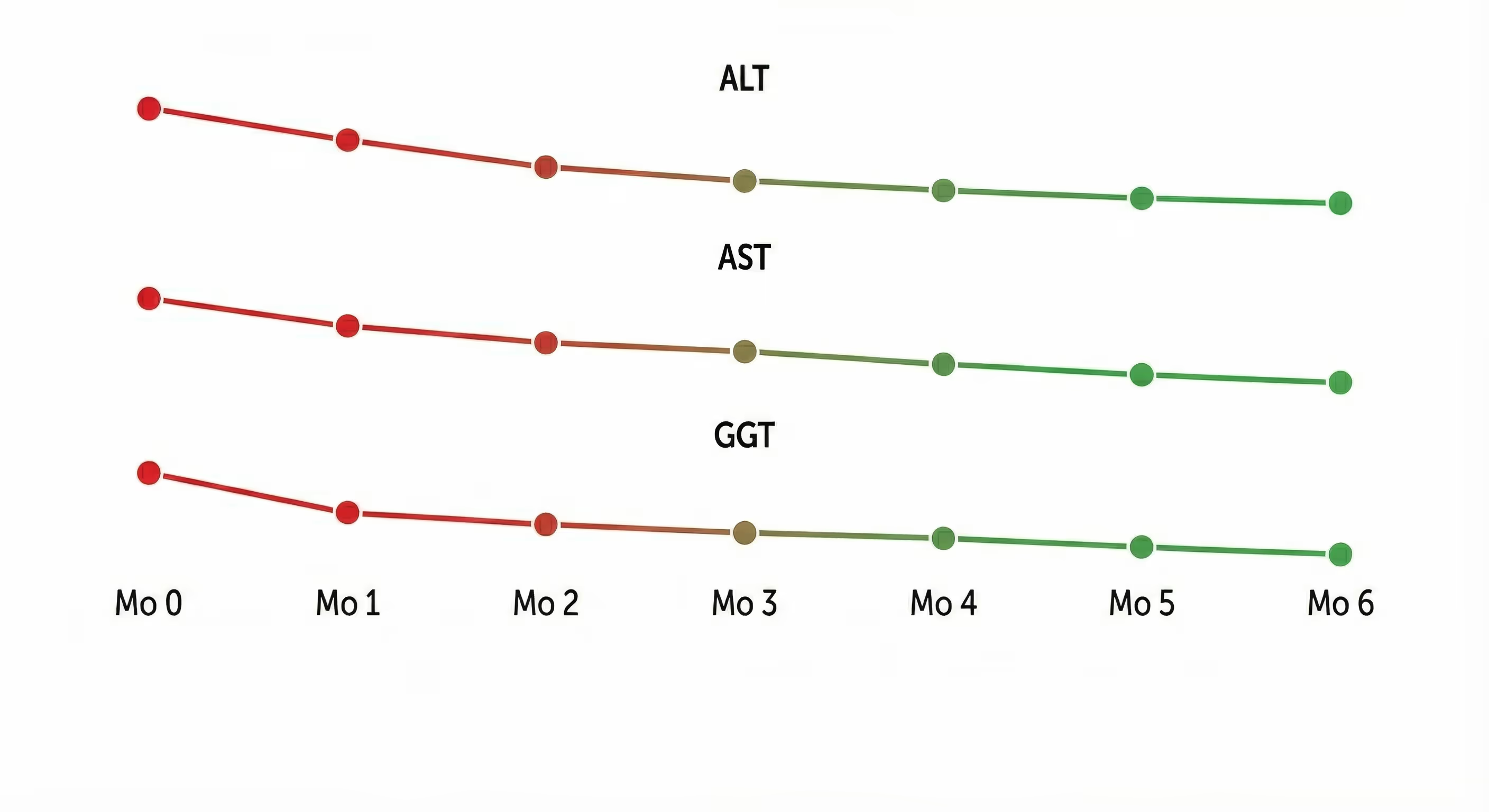
The Most Important Metric Many People Miss: Trends Over Time
One-time numbers are helpful, but patterns tell the real story.
We track:
- Month-to-month ALT changes
- AST:ALT ratio trends
- GGT response to alcohol reduction
- Overall metabolic patterns
This is where early intervention becomes possible.
Curious about where your liver stands? Take 5 minutes to explore your liver's health score below!
.png)
.jpeg)


.jpeg)