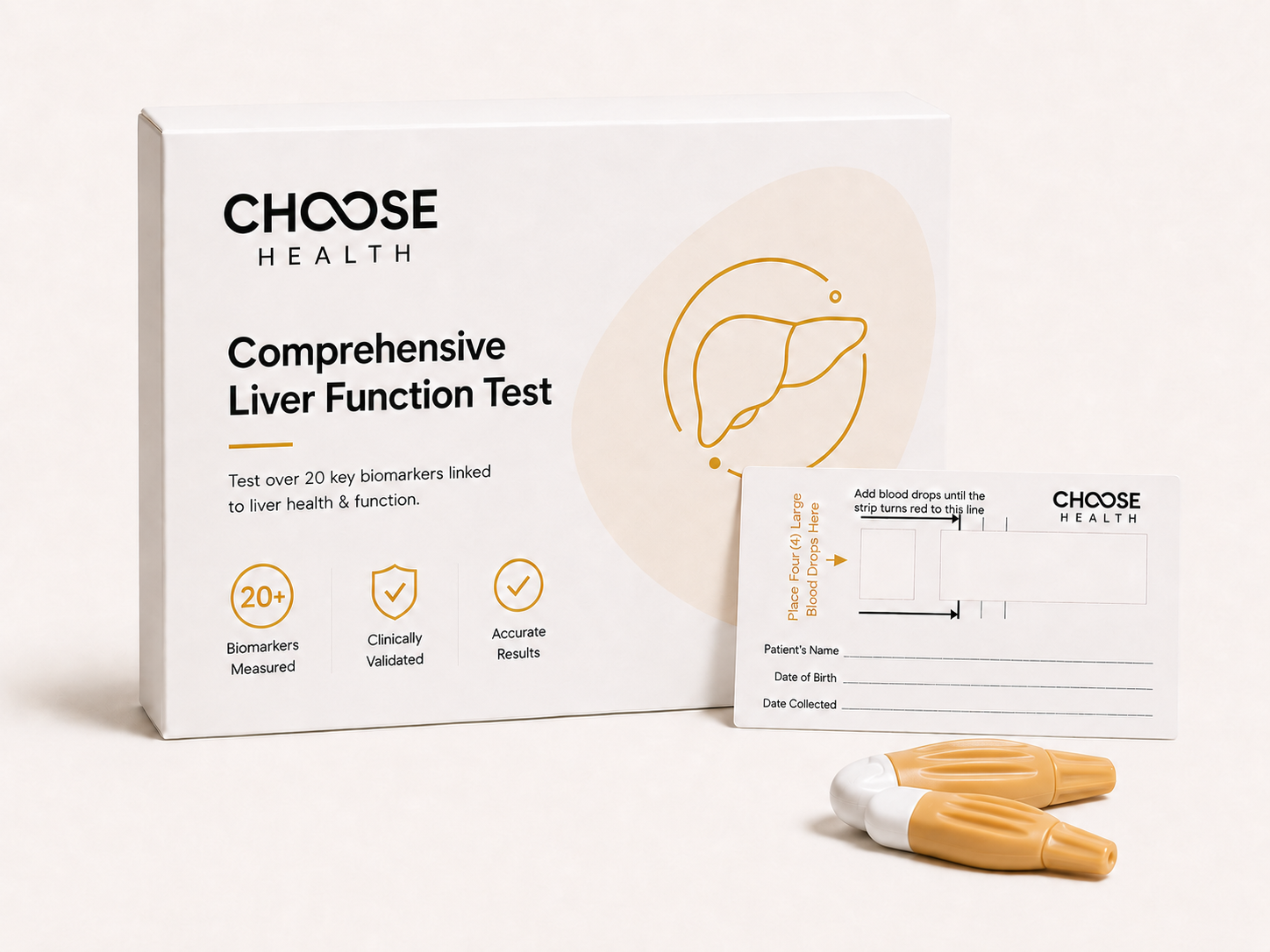


AST, also called SGOT, is one of the core enzymes used to evaluate liver health. But unlike ALT, AST is also found in your heart, muscles, kidneys, and red blood cells. That means your AST result needs context to understand whether it’s reflecting liver stress, metabolic changes, or something as simple as a hard workout.
Normal AST Ranges
Reference ranges vary by lab, age, and sex, so it’s always important to treat numberds a a guide, not universal. AST always needs to be interpreted alongside ALT, GGT, and the AST:ALT ratio to have a clear understanding of how your numbers impact your liver function.
.jpeg)
Common Causes of High AST
High AST can come from both liver and non-liver sources. Liver-related causes include fatty liver disease (NAFLD/MASLD), alcohol-related liver stress, viral hepatitis, medication effects such as statins, antibiotics, or Tylenol, and general metabolic dysfunction. Non-liver causes include intense exercise within the previous 48–72 hours, muscle injury, heart strain, kidney stress, and hemolysis, which is the breakdown of red blood cells.
Low AST? What it means.
Low AST is rarely a clinical concern. Possible causes include:
- Normal enzyme levels (most common)
- Lower vitamin B6 intake
- Lower muscle mass
- Older age
- Chronic kidney disease
Persistently low AST with symptoms may warrant checking B6 or a full metabolic panel, but for most people, it’s completely normal.
How At-Home AST Testing Works
Our at-home liver test works by following a couple simple steps.
- Collect a finger-prick sample
- Mail it to our CLIA-certified lab
- View results in 3–5 days
- Track changes over time in your dashboard
What to Do After You Receive Your AST Results
FAQs
What is AST in a blood test?
AST (aspartate aminotransferase) is an enzyme found in your liver, muscles, heart, and other tissues. A blood test measures how much AST has entered your bloodstream: higher levels usually mean liver or muscle cells are stressed or injured.
What is SGOT/AST in a blood test?
SGOT (serum glutamic-oxaloacetic transaminase) is the older name for AST. They’re the same test — modern labs now use “AST.”
Does high AST always mean liver disease?
Actually no. Exercise, muscle injury, alcohol, and medications can increase AST too.
What if my AST is low?
Typically normal and not a cause for concern.
How often should I check AST?
1–2x a year for general health; more often if you have metabolic or liver risk factors.

Summary
The AST blood test is a valuable marker of liver and metabolic health, but it must be interpreted with context. Because AST is found in many tissues, the real insights come from reviewing it alongside ALT, GGT, inflammation markers, and metabolic indicators.