
.png)


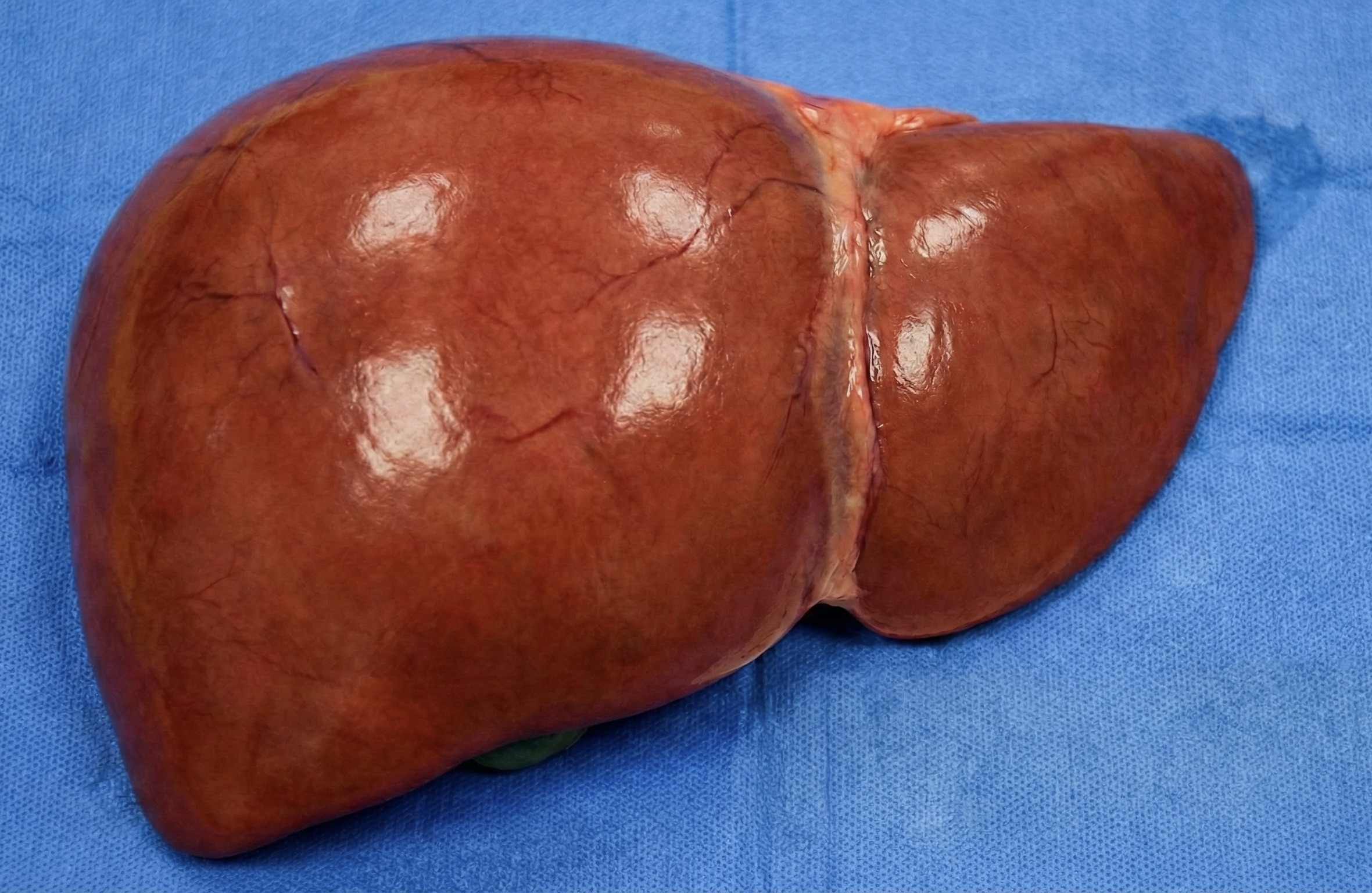
Alcohol depletes B vitamins through several mechanisms at once. It reduces absorption, impairs storage, increases excretion, and interferes with conversion to the active forms your body can actually use.
How alcohol affects B vitamin status
Research from the National Institute on Alcohol Abuse and Alcoholism describes four routes.
Reduced absorption
Alcohol damages the intestinal lining and impairs absorption of thiamine, folate and B12 from both food and supplements.
Impaired storage
The liver stores several B vitamins. Alcohol-related liver damage reduces its capacity to hold them.
Increased excretion
Alcohol's diuretic effect increases urinary excretion of water-soluble B vitamins.
Blocked conversion
The liver converts B vitamins into their active forms. Alcohol interferes with those conversion processes.
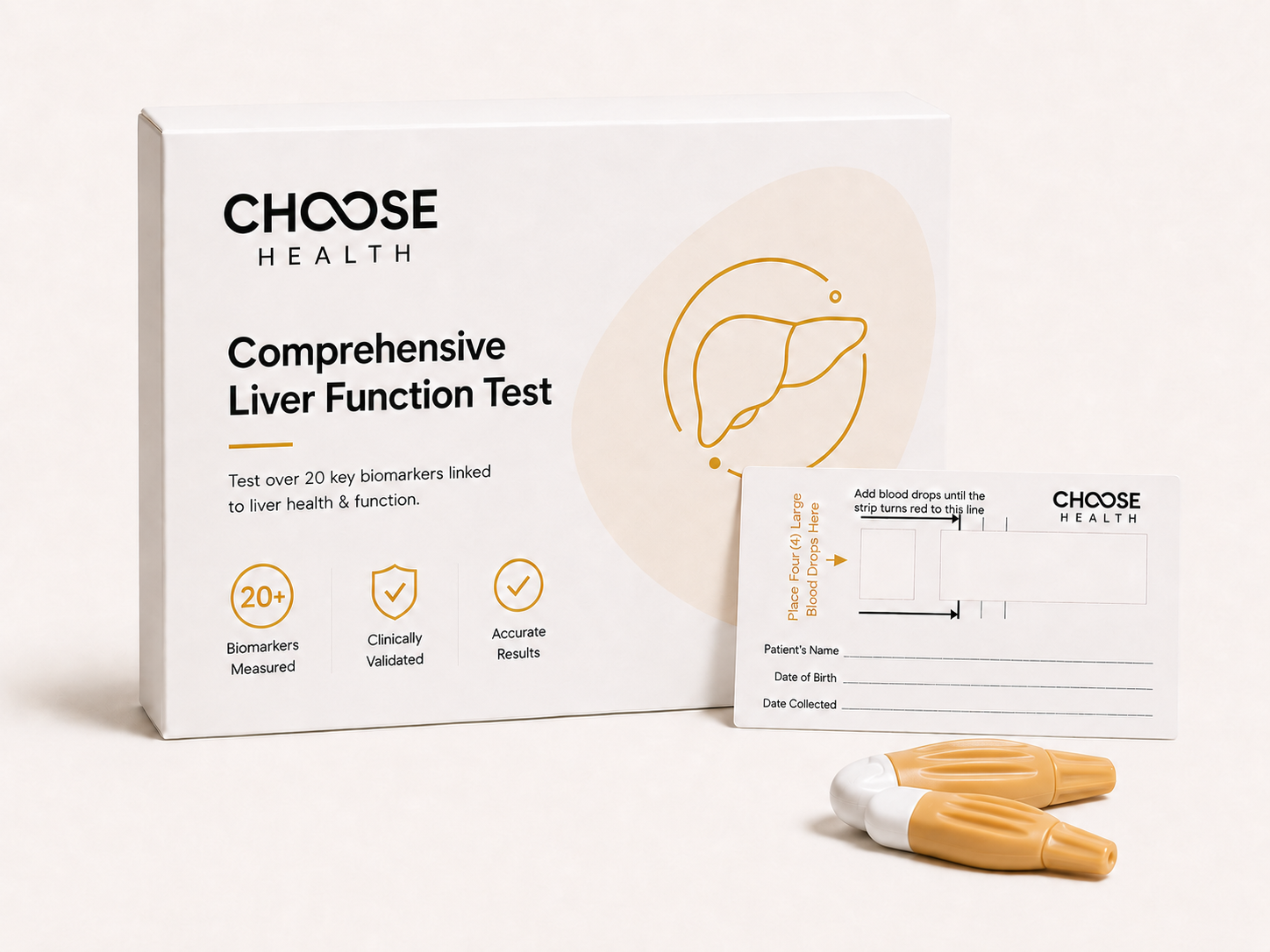
The Comprehensive Liver Function Test covers ALT, AST and GGT alongside metabolic markers, from one finger-prick sample. See the full marker list

The B vitamins that matter most
The most serious deficiency
Thiamine deficiency is one of the most serious nutritional consequences of heavy alcohol use. The liver requires thiamine for carbohydrate metabolism and energy production.
Research in Alcohol and Alcoholism puts estimated prevalence of thiamine deficiency in alcohol use disorder at 15% to 80%. Its most severe manifestation is Wernicke-Korsakoff syndrome, a serious neurological condition that requires medical treatment.
Blocked on two fronts
Folate deficiency is common in people who drink regularly. Alcohol blocks folate absorption and separately interferes with folate metabolism in the liver.
Research published in the Journal of Nutrition found that chronic alcohol exposure impairs folate absorption and reduces hepatic uptake, independent of dietary intake. Folate is essential for DNA synthesis and liver cell regeneration, and AASLD reports deficiency in as many as 80% of hospitalized patients with alcohol use disorder.
A storage problem
B12 deficiency can develop with chronic alcohol use. The liver stores B12, and alcohol-related liver damage reduces that storage capacity.
B12 works closely with folate in the methylation pathways that matter for liver function. Serum B12 is a poor way to assess this, though: in alcohol-related liver disease, blood levels often read normal or even elevated because of B12 analogues released from damaged liver tissue, while liver stores are depleted. A normal serum B12 result does not rule out a functional deficiency, which is worth raising with your clinician.
Involved in over 100 reactions
B6 participates in more than 100 enzyme reactions, many of them in the liver. Alcohol accelerates B6 degradation and reduces blood levels.
B6 deficiency can contribute to elevated homocysteine, an inflammatory marker associated with cardiovascular and liver disease.
What clinical practice supports
Repletion doses used in clinical settings are higher than standard RDA values. These figures describe what appears in clinical practice and are not a recommendation for self-treatment.
| Vitamin | RDA | Clinical repletion dose | Notes |
|---|---|---|---|
| Thiamine (B1) | 1.1 to 1.2 mg | 100 to 300 mg daily | Higher doses used for diagnosed deficiency |
| Folate (B9) | 400 mcg | 800 to 1,000 mcg daily | Methylfolate form |
| Vitamin B12 | 2.4 mcg | 500 to 1,000 mcg daily | Methylcobalamin form |
| Vitamin B6 | 1.3 to 1.7 mg | 25 to 50 mg daily | P5P form where available |
Duration. Repletion typically requires consistent supplementation over 8 to 12 weeks, and longer where depletion is more severe.
Form. Active, methylated forms don't require liver conversion, which may be impaired under liver stress. Labels will list methylfolate, methylcobalamin and pyridoxal-5-phosphate.
Safety considerations
B vitamins are water-soluble and excess amounts are generally excreted in urine, so toxicity is rare at supplemental doses. The NIH Office of Dietary Supplements describes wide safety margins at repletion doses. A few things are still worth knowing.
- High-dose B6, above 200 mg daily long term, can cause nerve issues in some people. Standard B-complex doses sit well below that threshold.
- High-dose folate can mask B12 deficiency. Some researchers advise against exceeding 1 mg of folic acid daily for this reason, and supplementing B12 alongside it.
- B vitamins may turn urine bright yellow. This is harmless and reflects excretion of excess riboflavin.
- Thiamine deficiency severe enough to cause neurological symptoms is a medical emergency, not a supplement question.
How to measure whether it's working
B vitamin supplementation supports liver function indirectly, by correcting deficiencies that impair liver cell metabolism and regeneration. The objective approach is testing liver markers before starting and again after 8 to 12 weeks.
| Marker | What it reflects | Optimal |
|---|---|---|
| ALT | Liver cell health | Men: <55 U/L · Women: <45 U/L |
| AST | Liver and muscle stress | Men: <45 U/L · Women: <35 U/L |
| GGT | Oxidative stress and bile duct health | Men: <14 U/L · Women: <9 U/L |
Supplementation alone may not dramatically change liver enzymes if other factors are in play, ongoing alcohol use and metabolic issues in particular. Correcting deficiencies supports the liver's overall capacity to recover rather than driving the numbers on its own.
Test now, retest at 8 to 12 weeks
All three markers in one finger-prick sample, so your before and after are measured the same way.
$135 LIVER30 saves $30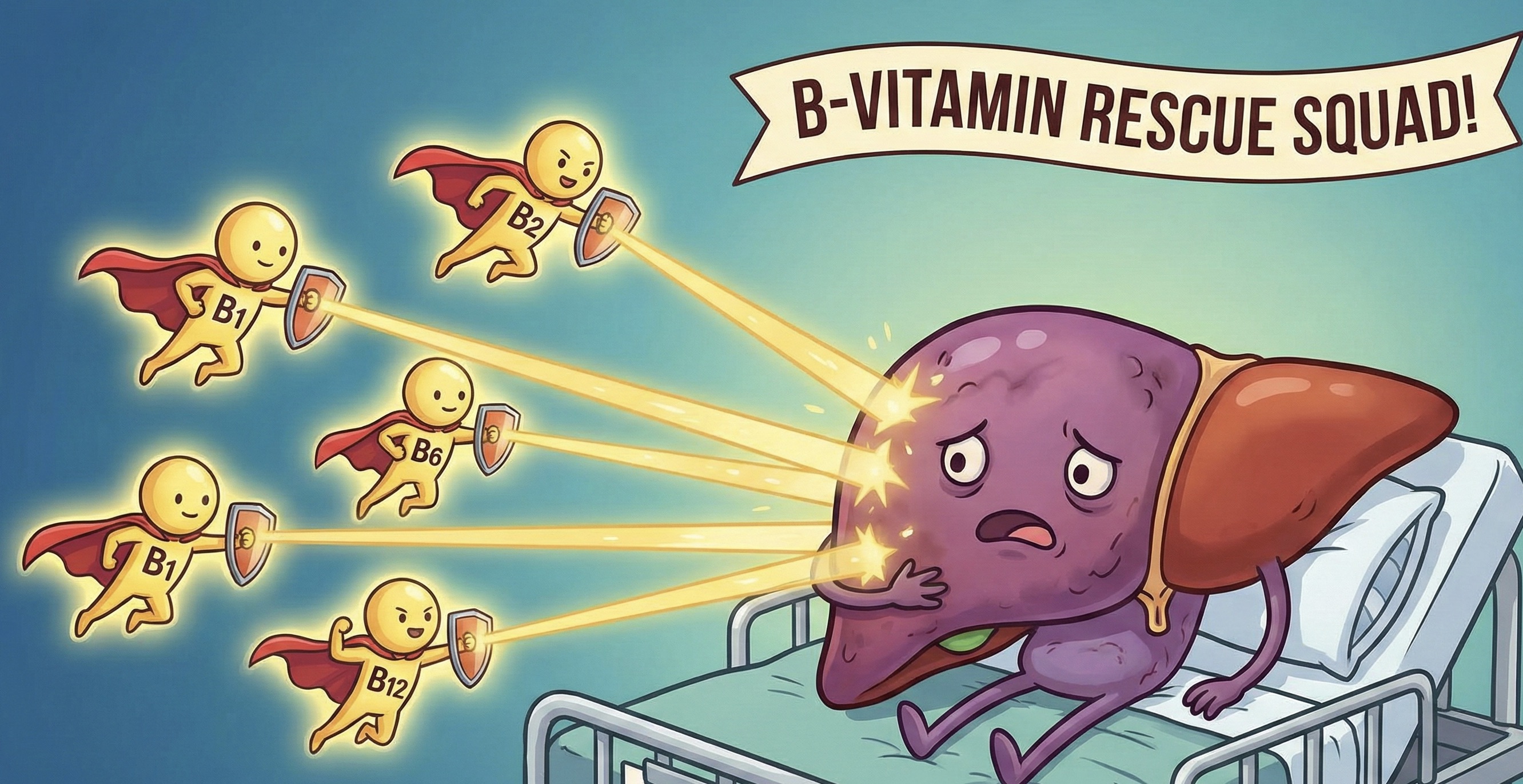
A research-based approach
B vitamin repletion is one of the better-supported interventions for people recovering from regular alcohol use. What it can't do is tell you whether your liver is responding, and that's the part worth measuring rather than assuming.
Testing before you start and again at 8 to 12 weeks gives you the same three numbers under comparable conditions, which is the only way to separate what's working from what feels like it's working.
20+ biomarkers · DBS finger-prick
Comprehensive Liver Function Test
ALT, AST and GGT alongside metabolic and cardiovascular markers. Use the same test before and after to compare the same numbers.
- Liver
- Albumin, AST, ALT, GGT, total bilirubin
- Metabolic
- Fasting glucose, fasting insulin, HbA1c
- Cardiovascular
- HDL, LDL, triglycerides, ApoA, ApoB
- Iron
- Iron status
At-home finger-prick collection. Results in days.
This article is for informational purposes and is not a substitute for medical advice, diagnosis or treatment. The doses described reflect clinical practice and are not a recommendation for self-treatment. Talk to a healthcare provider before starting any supplement, particularly at repletion doses or alongside medication. If you drink heavily, do not stop abruptly without medical guidance, as alcohol withdrawal can be dangerous. Suspected thiamine deficiency with neurological symptoms requires immediate medical attention.
.jpeg)


.jpeg)