



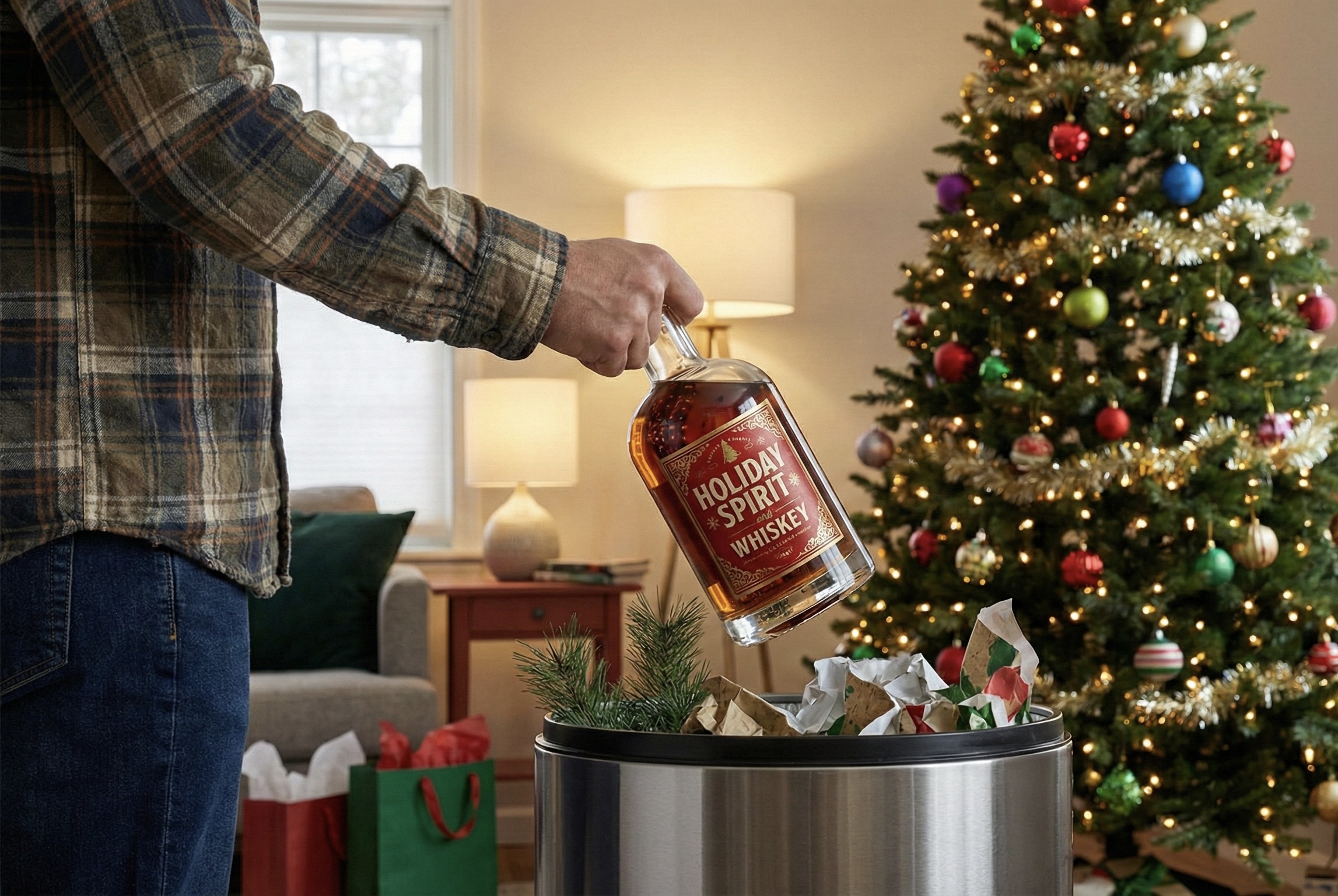
But here is the thing most people miss: you can actually measure what happens. A before and after liver test shows you exactly how your liver responds to a month without alcohol. Instead of wondering if Dry January is "working," you can see the numbers change.
This guide explains which markers to test, when to test them, and what your results actually mean.

Why Test Your Liver During Dry January?
Most people feel better and see the benefits when participating in Dry January. They sleep deeper, have more energy, and notice clearer skin. But these subjective improvements do not tell you what is happening inside.
Liver enzyme testing gives you objective data. You can see whether your ALT, AST, and GGT levels drop, stay the same, or reveal patterns you did not expect.
Testing also creates accountability. When you know you are going to measure your progress, you are more likely to complete the full 30 days.
Which Liver Markers Should You Test?
A complete picture of liver health during Dry January requires several markers working together.
GGT is particularly important for Dry January testing. It is highly sensitive to alcohol intake and often shows the most dramatic changes within 30 days.
When to Test: Before and After Timeline
The timing of your tests matters. Testing too early or too late can give you incomplete information.
Baseline Test (Before): Test within 1 to 3 days before starting Dry January. This gives you an accurate starting point. If you test too far in advance, your baseline may not reflect your recent drinking patterns.
Follow-Up Test (After): Test between days 28 and 35. Your liver needs time to show measurable change. Testing too early, like day 14, may not capture the full recovery.
Optional Mid-Point Check: Some people test around day 14 to track early progress. This is helpful if you have significantly elevated baseline markers and want to see whether they are trending down.
To Understand Your Liver Health Over Time: At Choose Health we recommend testing every 3 months to have the best picture of your liver health trends.
Benefits of Dry January on Your Liver
Research shows the liver can regenerate and repair itself relatively quickly once alcohol is removed.
Here is what you might see in your results:
GGT: Often drops significantly, especially if elevated at baseline. GGT is very responsive to alcohol reduction.
ALT: May decrease if alcohol was causing inflammation. The drop is usually more gradual than GGT.
AST: Typically decreases alongside ALT. The AST:ALT ratio may also improve.
hsCRP: Systemic inflammation markers often improve when alcohol intake stops.
Not everyone will see dramatic changes. If your baseline markers were already in the optimal range, you may not see much movement. That is still valuable information, as it tells you your liver was handling your previous alcohol intake well.
How to Interpret Your Before and After Results
Comparing your two tests requires looking at more than just whether numbers went up or down.
If your markers dropped significantly: Your liver was experiencing alcohol-related stress and has begun to recover. This is a sign that reducing alcohol benefits your liver health.
If your markers stayed about the same: Your baseline may have already been in a healthy range, or 30 days may not be long enough for your liver to fully recover. Consider extending your break or retesting at 60 days.
If your markers went up: This is uncommon but can happen. Intense exercise, new medications, supplements, or viral infections can temporarily elevate liver enzymes. Review any lifestyle changes during your Dry January.
For context on what your specific numbers mean, understanding liver function testing as a whole helps you interpret individual markers.
Setting Up Your Dry January Testing Plan
A simple plan keeps you on track:
- Order your at-home liver test kit in late December
- Take your baseline sample 1 to 3 days before January 1
- Start Dry January
- Take your follow-up sample around January 28 to 30
- Compare your results
Having both test kits ready before you start prevents delays. You want your follow-up sample taken at the right time, not whenever you remember to order the test.

What Comes After Dry January?
The real value of before and after testing is not just seeing what one month can do. It is learning how your liver responds to alcohol so you can make informed decisions going forward.
Some people discover their liver is more sensitive to alcohol than they realized. Others learn that moderate drinking does not significantly impact their markers. Either way, you have data instead of guesses.
If your markers improved, consider testing again in 3 months to see whether your results hold with your regular drinking patterns.
If you want to track how lifestyle changes affect your liver long term, testing every quarter gives you trend data that reveals patterns over time. Learn more about how at-home liver testing works and what you can track from home.
Start With Your Baseline
You do not need to wait until January 1 to get your baseline test. Order now so your first sample is ready before Dry January begins.
Take 5 minutes to explore your liver's health score below
Is Dry January good for you?
Yes. Skipping alcohol even for a month can improve liver health, sleep, mood, and more.
What are the benefits of Dry January
Key benefits include better liver markers, reduced inflammation, clearer skin, better sleep, and long-term moderation habits.
.png)
.jpeg)


.jpeg)