
.png)


Good to know
- Estrogen dominance produces a range of symptoms, from mood swings to weight gain
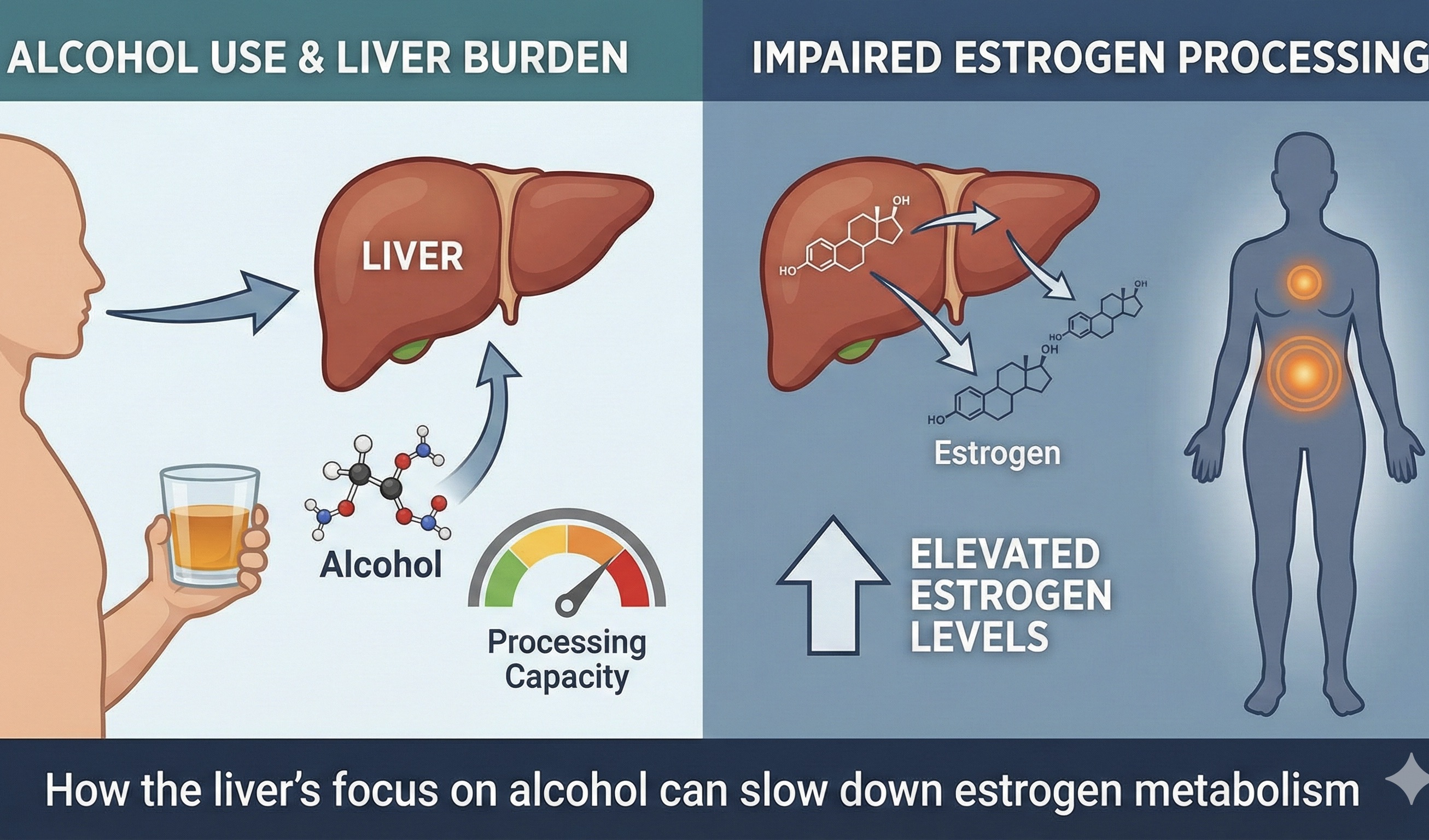
- Drinking alcohol raises estrogen levels
- The liver prioritizes clearing alcohol, because it's a toxin
- Estrogen builds up in the bloodstream while it waits to be processed
- Elevated estrogen makes the brain's reward system respond more strongly to alcohol
The liver processes estrogen and alcohol, among a long list of other things. What it can't do is process everything at once. It has to prioritize, and alcohol goes to the front of the queue because it's a toxin.
Alcohol also changes how much estrogen gets produced in the first place. Between the two effects, regular drinking pushes hormones out of balance in a direction most people don't want.
What estrogen does
Everyone produces estrogen. Reproduction is one of its jobs, not the only one. Across both sexes it plays a role in sexual function, bones, brain, metabolism, cardiovascular health and skin.
In women
- Regulates the menstrual cycle
- Supports ovulation
- Supports fertility
- Influences body fat distribution
- Helps protect brain, bone and heart health
In men
- Libido
- Erectile function
- Sperm development
- Bone density
- Fat and cholesterol metabolism
- Brain function
Estrogen in men is converted from testosterone, which is part of why the alcohol effect described below hits both sexes rather than one.

How alcohol changes estrogen production and clearance
Alcohol's effects go well past the brain. Hormone production is one of the systems it reaches, and it works on estrogen from two directions at once.
More testosterone gets converted to estrogen
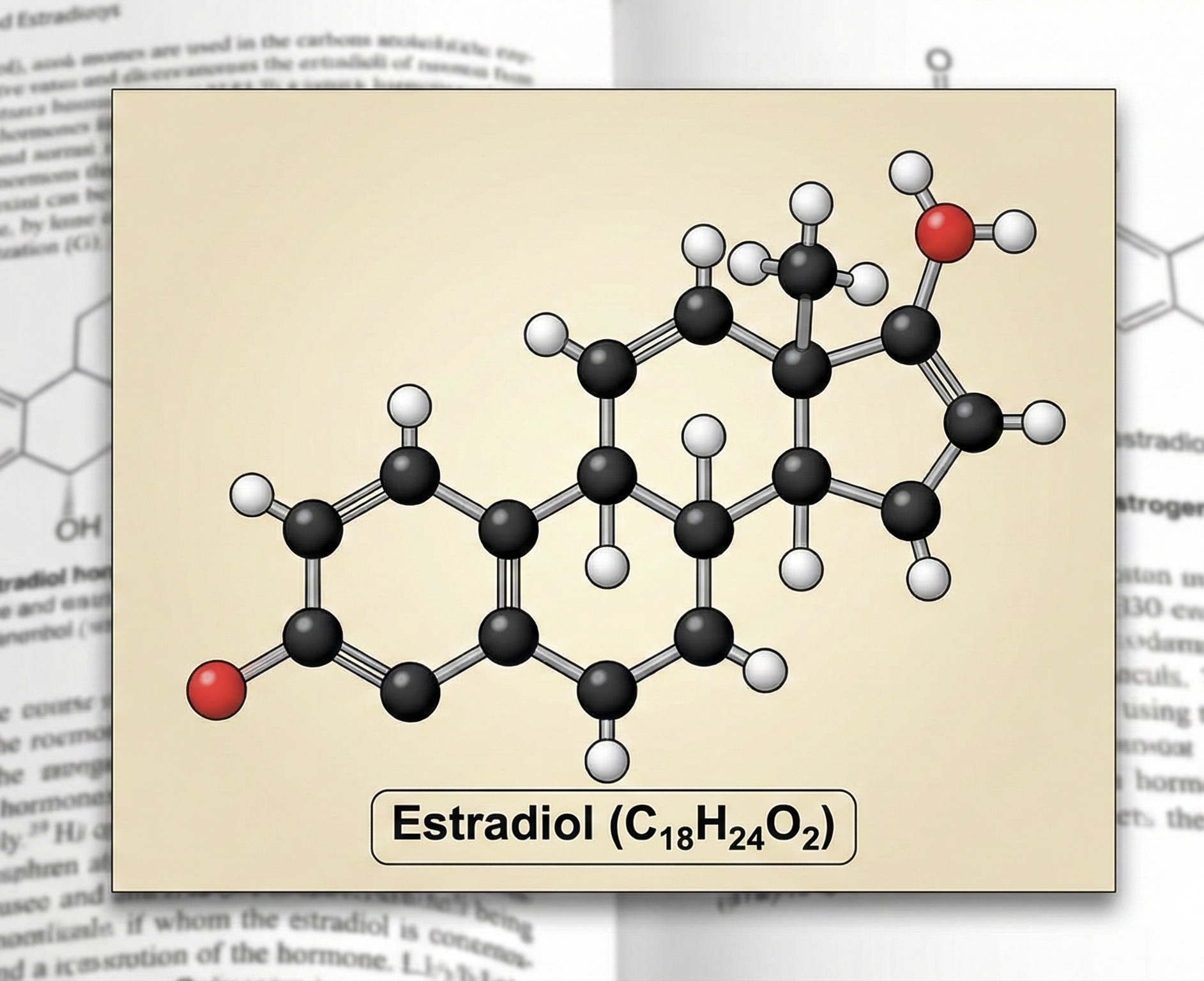
An enzyme called aromatase converts androgens, testosterone among them, into estrogen. Alcohol ramps up aromatization, which raises estradiol while lowering testosterone. This creates hormonal imbalance in both men and women.
Estrogen waits in line behind alcohol
Part of aromatization happens in the liver, which is simultaneously trying to clear alcohol. Because alcohol is a toxin it gets priority, so estrogen processing waits. More estrogen produced, plus slower clearance, means elevated levels staying in the bloodstream longer.
- Irritability
- Mood swings
- Weight gain
- Irregular menstrual cycles
- Bloating
Elevated estrogen encourages more drinking
This is the part that makes the pattern self-reinforcing. Estrogen in the brain enhances responsiveness to alcohol in the reward centers, which means a more gratifying buzz from the same drink.
Research has found that during the phases of the menstrual cycle when estrogen is highest, women are more likely to binge drink.
Alcohol harms the liver, estrogen protects it
Swapping estrogen clearance for alcohol clearance is a double cost to the liver. It takes on alcohol, which damages liver cells, while reducing the effective presence of estrogen, which helps protect against fatty liver disease.
For a regular drinker, that combination shows up in biomarkers before it shows up as anything you'd notice.
One study found women who have one alcoholic drink a day carry estrogen levels roughly 18% higher than average. One drink is enough to move hormone levels measurably.
See what regular drinking is doing
ALT, AST, GGT and the AST:ALT ratio, alongside metabolic and cholesterol markers, from one finger-prick sample.
Know your liver and hormone levels
It's difficult to know how well your liver is working, or whether hormones are elevated, until something has gone far enough to produce symptoms. Both are measurable well before that point.
If you drink regularly, a liver function test gauges your risk of fatty liver disease and alcohol-related liver stress. A hormone panel tells you where estradiol and testosterone actually sit.
Start here · 20+ biomarkers · DBS finger-prick
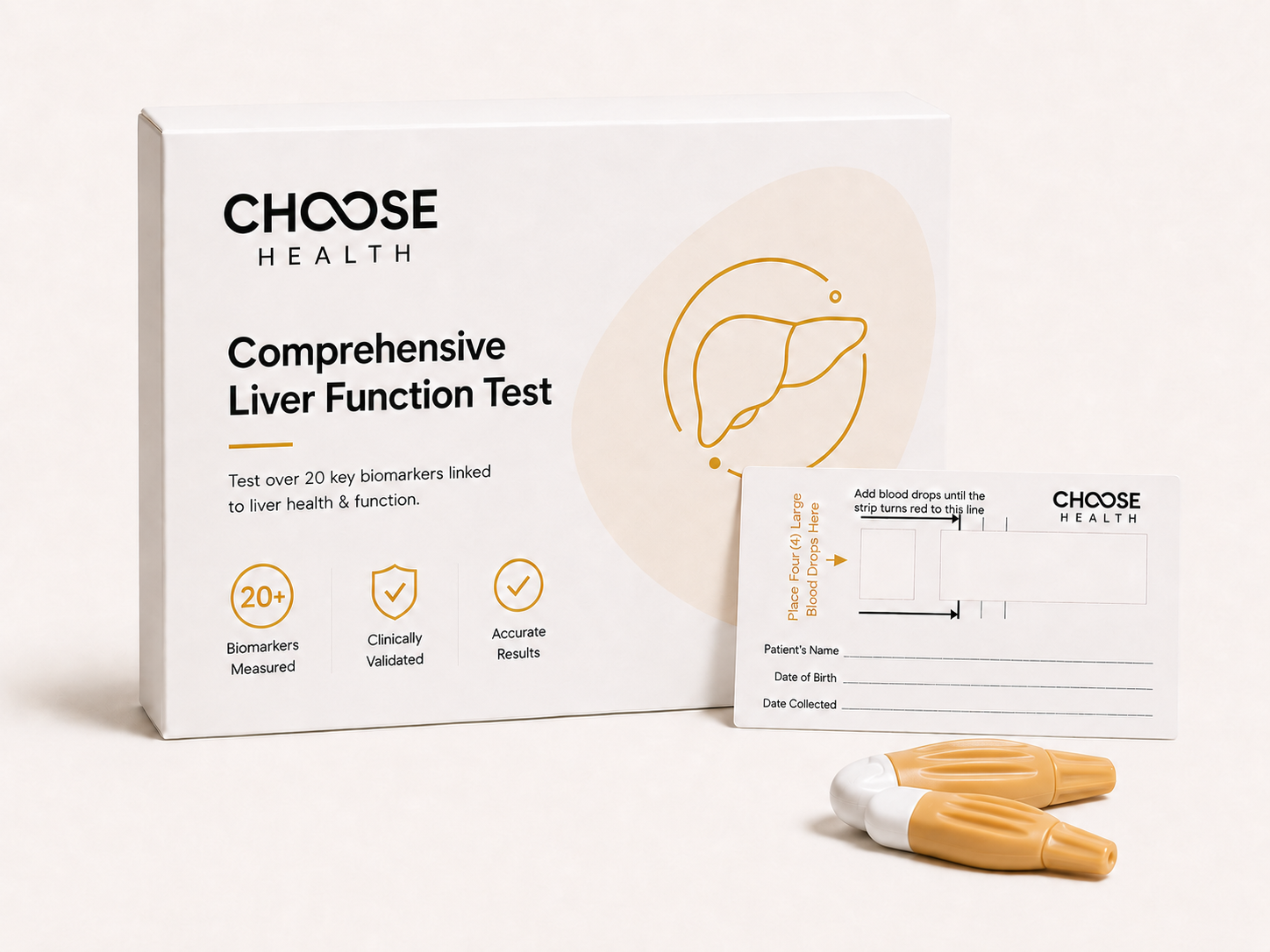
Comprehensive Liver Function Test
The liver side of the picture: enzymes, metabolic markers and the calculated scores that estimate fatty liver risk.
- Liver
- Albumin, AST, ALT, GGT, total bilirubin
- Metabolic
- Fasting glucose, fasting insulin, HbA1c
- Calculated scores
- Fatty Liver Index, Hepatic Steatosis Index, AST:ALT ratio
At-home finger-prick collection. Results in days.
For estradiol and testosterone specifically:
This article is for informational purposes and is not a substitute for medical advice, diagnosis or treatment. If you drink heavily, do not stop abruptly without medical guidance, as alcohol withdrawal can be dangerous. Talk to a healthcare provider about your results, your drinking and any treatment options.
.jpeg)


.jpeg)