


The CMP blood test meaning is straightforward: it's a metabolic snapshot. It won't diagnose every condition on its own, but it can catch abnormalities early, confirm that organs are working normally, and flag areas that need further investigation.
This guide covers what the 14 tests are, normal reference ranges, how to prepare, what abnormal results indicate, how a CMP compares to a BMP, and what the panel can and can't detect.

What You'll Learn:
- What the 14 CMP markers are and what each one measures.
- Normal ranges for all 14 tests.
- Fasting requirements and how to prepare.
- What abnormal results typically indicate.
- How a CMP differs from a basic metabolic panel (BMP).
- Whether a CMP can detect signs of cancer.
What Is a CMP Blood Test?
A CMP, or comprehensive metabolic panel, is a group of 14 blood chemistry tests processed from a single blood draw. It's also called a chemistry panel, chem-14, or simply a metabolic panel.
Doctors order it to check organ function, monitor chronic conditions, and screen for metabolic problems. It's a standard part of most annual physicals and is frequently ordered before or after starting new medications.
What Are the 14 Tests in a Comprehensive Metabolic Panel?
The 14 markers fall into four categories: blood sugar, kidney function, electrolytes, and liver and protein markers.
CMP Fasting Requirements
Most CMP blood tests require fasting for 10–12 hours before the draw. The fasting requirement is primarily driven by glucose. Eating before the test raises blood sugar temporarily, which makes it impossible to accurately screen for prediabetes or diabetes.
Water is fine during the fasting window. Coffee and other beverages are generally not recommended since even black coffee can affect glucose readings.
A few additional preparation points:
- Medications - Don't stop taking prescribed medications before your CMP without talking to your doctor. If a medication is known to affect liver or kidney markers, your clinician will account for it when reviewing results.
- Exercise - Intense training in the 24–48 hours before your draw can temporarily raise AST and creatinine. Light activity is fine.
- Creatine and protein supplements - These can raise creatinine and BUN independent of kidney function. Mention them to your clinician.
- Alcohol - Alcohol affects liver enzymes, particularly ALT and AST. Avoid it for at least 24 hours before testing.
What Do Abnormal CMP Results Mean?
Abnormal results on a CMP don't diagnose conditions on their own. They indicate where further investigation may be needed.
High glucose (100 mg/dL or above, fasting) can indicate prediabetes or diabetes. A result of 126 mg/dL or higher on a fasting draw meets the clinical threshold for a diabetes diagnosis. A second confirmatory test is typically required.
High BUN and creatinine together, with a low eGFR, point to reduced kidney filtration. Elevated BUN with normal creatinine often reflects dehydration or high protein intake rather than kidney disease.
High ALT or AST indicates liver cell stress or inflammation. Common causes include fatty liver disease, alcohol use, medications, and supplements. Elevation lasting more than 3 months warrants further workup.
High ALP with high bilirubin suggests liver or bile duct pathology. High ALP with normal liver markers is more often bone-related.
Low albumin alongside elevated liver enzymes suggests the liver isn't synthesizing proteins efficiently. Isolated low albumin can also reflect malnutrition or chronic inflammation.
Electrolyte abnormalities (sodium, potassium, chloride, CO2) are commonly caused by dehydration, kidney dysfunction, diuretic use, or hormonal issues. Significant potassium abnormalities, particularly critically high or low values, can affect heart rhythm and should be followed up promptly.
If multiple markers are outside range, or you have symptoms alongside abnormal results, your clinician will typically order additional panels before drawing conclusions from the CMP alone.
CMP vs BMP: What's the Difference?
A basic metabolic panel (BMP) and a comprehensive metabolic panel share eight of the same markers. The BMP includes glucose, calcium, sodium, potassium, CO2, chloride, BUN, and creatinine.
The CMP adds six liver and protein markers the BMP doesn't include: ALT, AST, ALP, total bilirubin, total protein, and albumin.
The BMP is ordered when a doctor wants a quick snapshot of kidney function and electrolytes without needing liver data. The CMP is used when liver health is relevant, when the clinical picture is less clear, or for more thorough baseline metabolic screening.
Can a CMP Detect Cancer?
A CMP is not a cancer screening test and cannot diagnose cancer. However, certain patterns of abnormal results can raise flags that prompt further investigation.
Elevated ALP can be associated with bone metastases or liver involvement in some cancers. High calcium (hypercalcemia) can sometimes indicate malignancy, particularly when there's no other apparent cause. Low albumin and low total protein can occur in the context of advanced illness, including cancer.
These findings are not specific to cancer. Each has more common, less serious explanations. According to the National Cancer Institute, no standard blood chemistry panel is used to diagnose cancer on its own. If CMP results are abnormal and clinical suspicion exists, your doctor will order more targeted testing.
When to Test and How Often
A CMP is a reasonable baseline test for most adults once a year as part of a physical. More frequent testing makes sense if you're on medications that affect the kidney or liver, managing a chronic condition, or actively monitoring metabolic health.
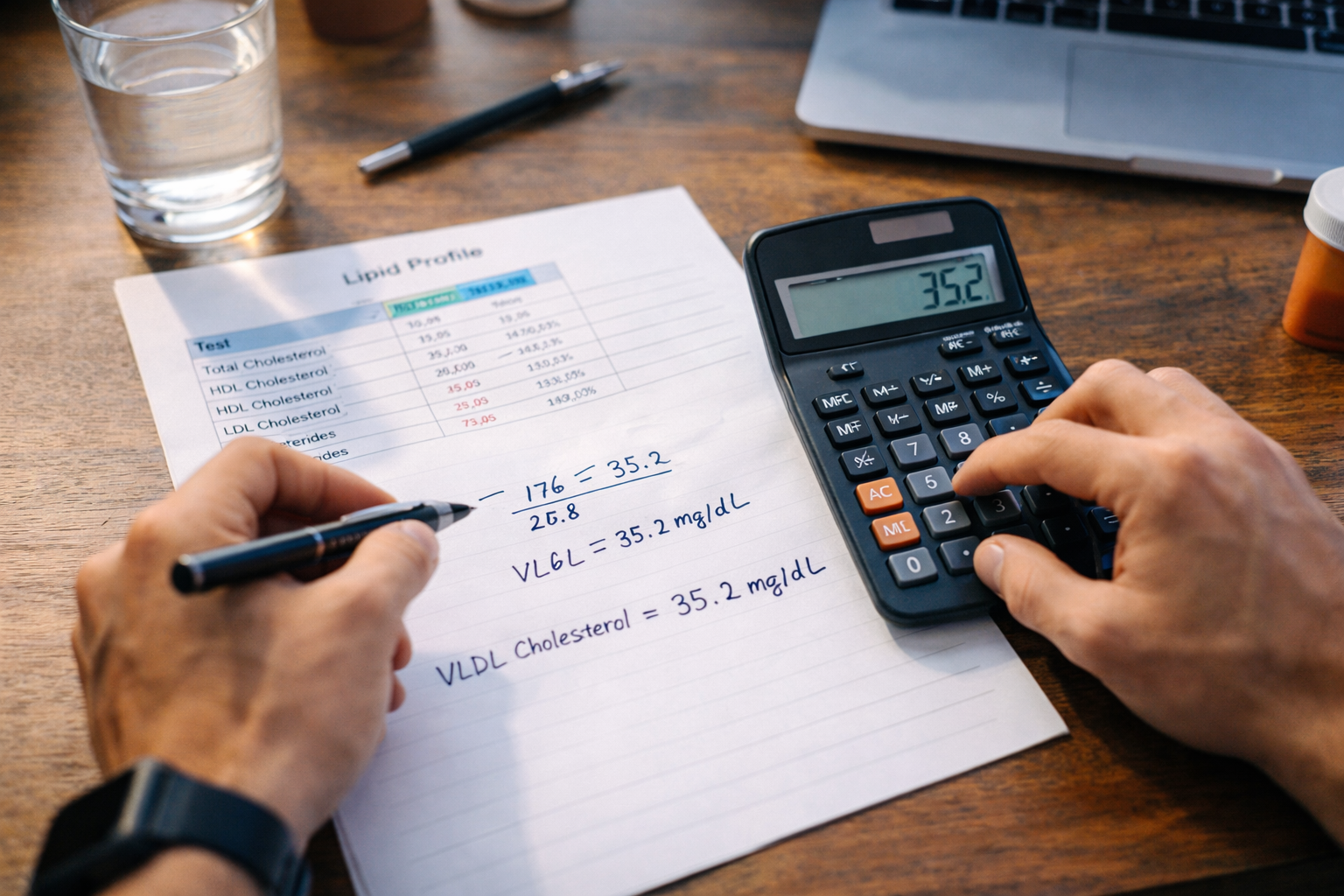
Trends over time matter more than single readings. One high ALT after a week of intense training is different from consistently elevated ALT across multiple draws. For more on calculating and understanding insulin resistance from your results alongside the CMP glucose reading, that's worth reviewing as well.
Test Your Blood from Home with Choose Health
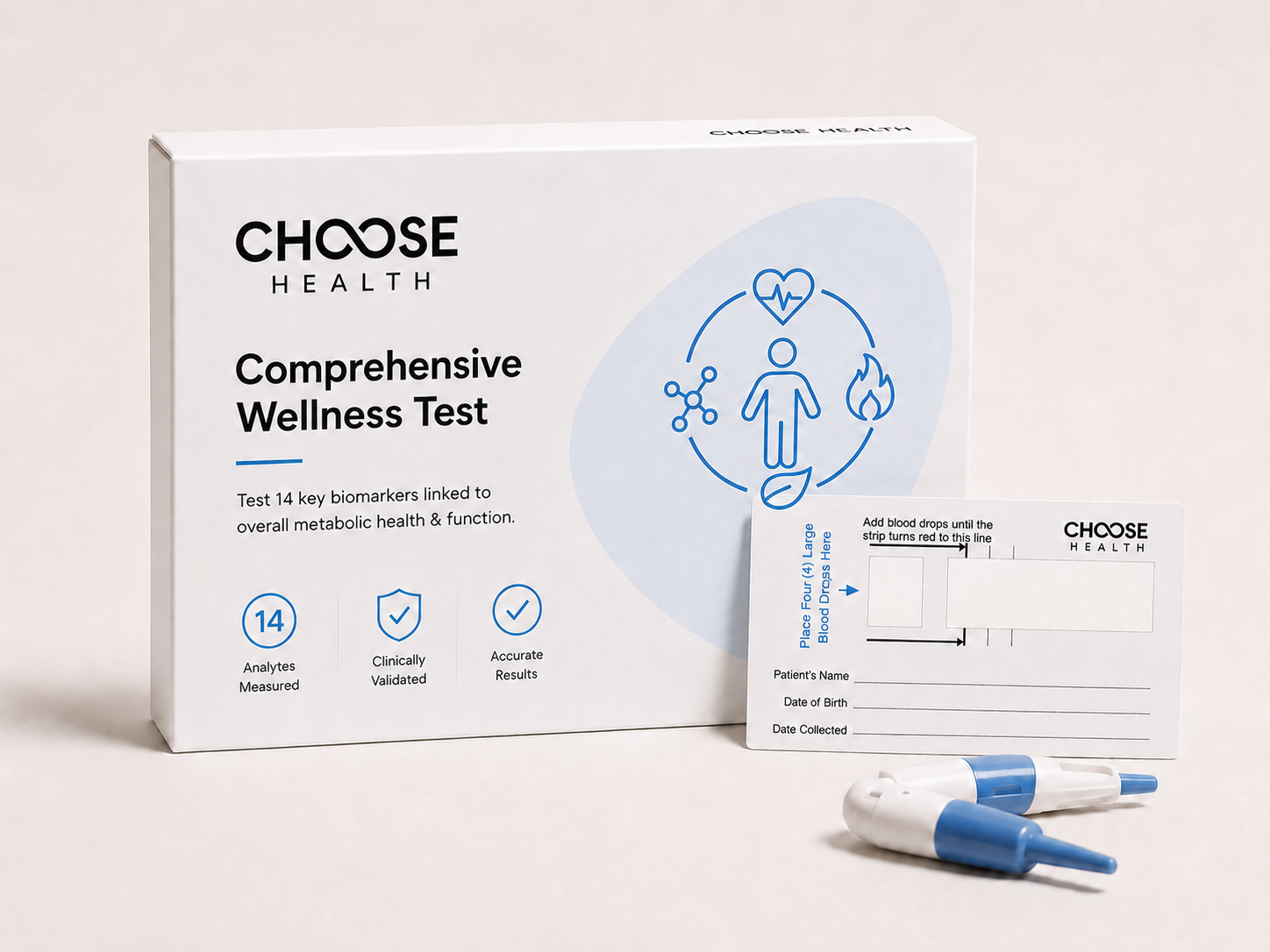
If your doctor has ordered a CMP or you're due for routine bloodwork, Choose Health offers at-home blood testing processed through CLIA-certified labs. Collect your sample with a finger-prick, mail it in, and get results through a secure dashboard in 3–4 days.
If you want to go beyond what a standard clinical CMP covers — adding lipid markers, HbA1c, insulin resistance, inflammation, and vitamin D — the Choose Health metabolic health test is built for proactive monitoring rather than diagnostic organ screening.
Explore at-home blood testing from Choose Health
This article is for educational purposes only and does not constitute medical advice. Consult a clinician before making changes to medications or treatment based on lab results. If you are experiencing symptoms that concern you, seek care from a qualified healthcare provider.