




Many people notice changes in how they feel within the first few weeks of stopping alcohol. These subjective improvements often line up with liver healing. Research from the American Liver Foundation confirms that early-stage liver damage can reverse with lifestyle changes.
What you'll notice first
1 to 2 weeks
Improved energy
Your liver plays a central role in energy metabolism. When it's no longer processing alcohol, it can focus on converting nutrients into usable energy. Most people report feeling less fatigued.
First week
Better sleep quality
Alcohol disrupts sleep architecture, particularly REM sleep. As alcohol clears your system, deeper and more restorative sleep often becomes noticeable.
1 to 3 weeks
Reduced bloating
Alcohol causes inflammation and water retention. As liver inflammation decreases, bloating often resolves.
Gradual
Clearer skin
The liver helps filter compounds that affect skin health. Many people notice reduced puffiness, fewer breakouts and a healthier complexion as recovery progresses.
Gradual
Improved digestion
Your liver produces bile, which helps digest fats. As function improves, reduced nausea, better appetite regulation and more regular bowel movements are common.
Gradual
Mental clarity
Brain fog and difficulty concentrating can result from liver stress and the direct effects of alcohol on the brain. Many people report sharper thinking as recovery progresses.
These are real changes, but they're subjective. Someone can feel noticeably better while their enzymes are still elevated, and the reverse happens too. That's why the next section matters.
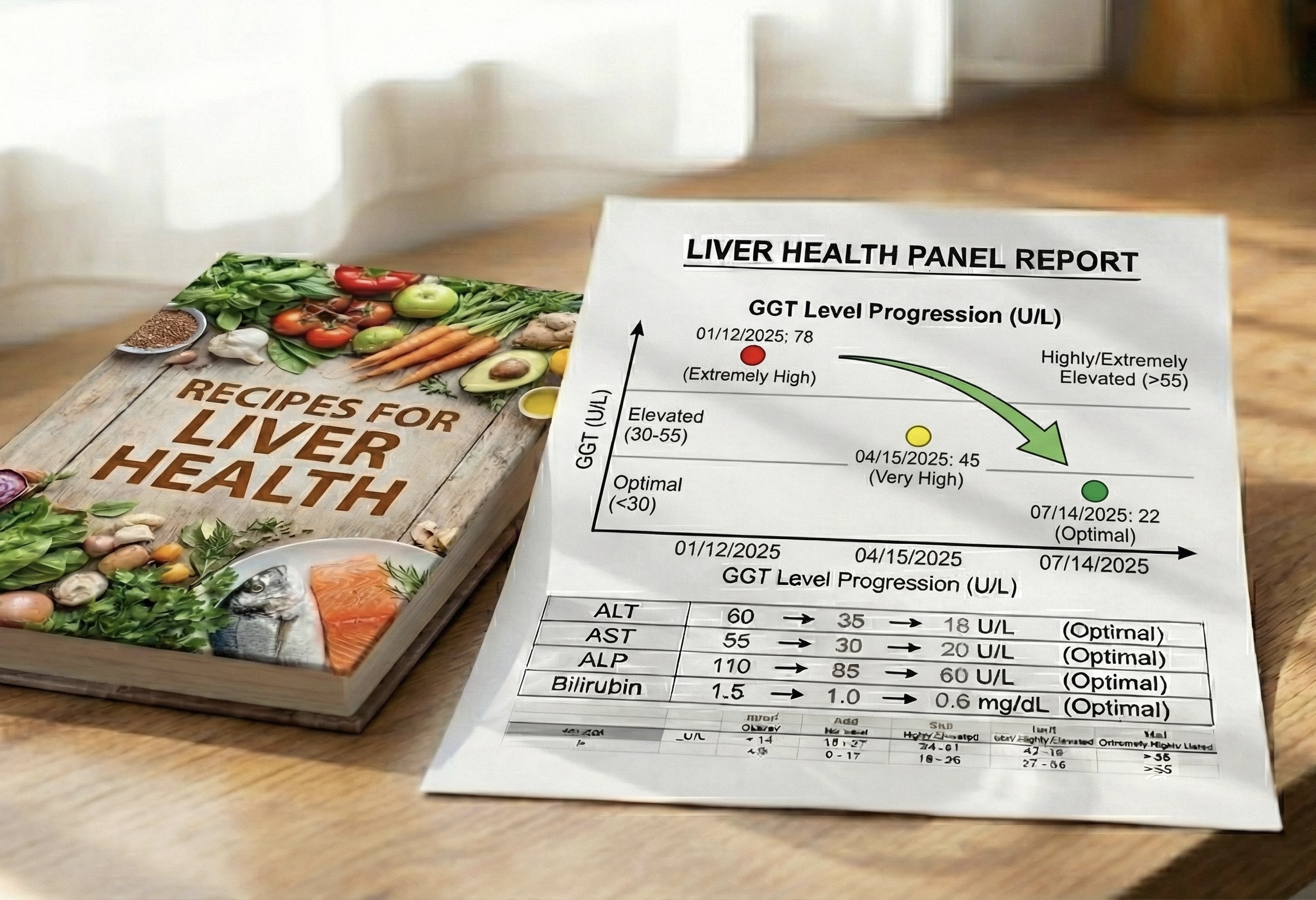
Blood test signs of liver recovery
Physical symptoms tell part of the story. Blood tests give you objective data, and liver enzyme levels provide measurable evidence that your liver is healing.
| Marker | What it shows | Signs of healing |
|---|---|---|
| GGT | Alcohol-related stress and bile duct health | Levels drop, often by 50% or more |
| ALT | Liver cell inflammation | Levels decrease toward optimal range |
| AST | Liver and muscle stress | Levels normalize, often alongside ALT |
| AST:ALT ratio | Pattern of liver stress | Ratio moves toward 1 or below |
| hsCRP | Systemic inflammation | Decreases as overall inflammation resolves |
GGT is often the first marker to improve. It's highly sensitive to alcohol intake, and studies show many people see significant drops within 2 to 4 weeks. Optimal GGT is below 14 U/L for men and below 9 U/L for women.
ALT typically improves more gradually. It reflects liver cell health and usually decreases over 4 to 8 weeks. Optimal ALT is below 55 U/L for men and below 45 U/L for women.
The AST:ALT ratio is particularly meaningful. In alcohol-related liver disease it often exceeds 2, and as the liver heals it typically moves back toward 1 or below. Tracking the ratio alongside the individual enzymes gives a more complete picture than either on its own.
Timeline of recovery signs
Recovery doesn't happen all at once. Different signs appear at different times.
Most physical symptoms begin to improve. Better sleep, improved hydration and increased energy are common early signs. Blood markers may not show significant change yet.
GGT often begins to drop during week two. Physical symptoms continue improving, and many people notice clearer thinking and reduced bloating.
ALT and AST typically begin to normalize and the AST:ALT ratio may improve. Physical symptoms should be noticeably better by this point.
For people with more significant baseline elevation, full normalization may take 2 to 3 months. Continued improvement in energy, digestion and overall wellbeing is typical.
The timeline varies with your starting point. Mildly elevated baseline markers may improve quickly. More significant damage takes longer to repair.
How to track your progress
The most reliable way to know your liver is healing is to measure it.
- Baseline testing. Test your liver enzymes before you stop drinking, or within the first few days. This establishes your starting point and shows how much room for improvement exists.
- Follow-up testing. Test again at 4 to 8 weeks, which is when most people see measurable improvement.
- Ongoing monitoring. Testing every 3 months tracks long-term trends. This is particularly valuable if you're working to reverse fatty liver or managing metabolic factors alongside alcohol reduction.
At-home testing makes this practical. You can track ALT, AST, GGT and other markers without scheduling appointments.
What if you don't see improvement
In most cases, stopping alcohol leads to measurable recovery. Sometimes markers don't move as expected.
Consider other factors. Fatty liver from metabolic causes, medications, supplements or underlying conditions can keep enzymes elevated even without alcohol. Review anything else that might be affecting your liver.
Give it more time. Some people need 60 to 90 days to see significant change, especially if baseline damage was more extensive.
Rule out advanced damage. If markers remain elevated after 3 months of abstinence, work with a healthcare provider for further evaluation. Imaging can assess physical changes that blood tests cannot detect.
Signs that warrant medical attention
Most liver recovery happens gradually without complications. These symptoms mean you should see a doctor promptly.
- Yellowing of the skin or eyes
- Dark brown urine
- Persistent nausea or vomiting
- Severe abdominal pain, especially upper right
- Unusual bleeding or bruising
- Confusion or difficulty thinking clearly
- Significant swelling in the legs or abdomen
Supporting your liver's recovery
Stopping alcohol is the most important step. A few habits support the process.
- Stay hydrated. Water helps your liver filter waste products efficiently.
- Eat liver-supportive foods. Leafy greens, cruciferous vegetables, lean proteins and antioxidant-rich foods.
- Maintain physical activity. Regular exercise helps reduce fatty liver and supports metabolic health.
- Limit other liver stressors. Certain medications and supplements are processed by the liver. Discuss any concerns with a healthcare provider.

Your liver wants to heal
Your liver has real regenerative capacity. When you stop drinking it begins repairing itself quickly, physical symptoms often improve within days, and blood markers typically normalize over weeks to months.
The question is whether you want to feel the difference or measure it. Testing before and after gives you objective confirmation rather than an impression.
20+ biomarkers · DBS finger-prick
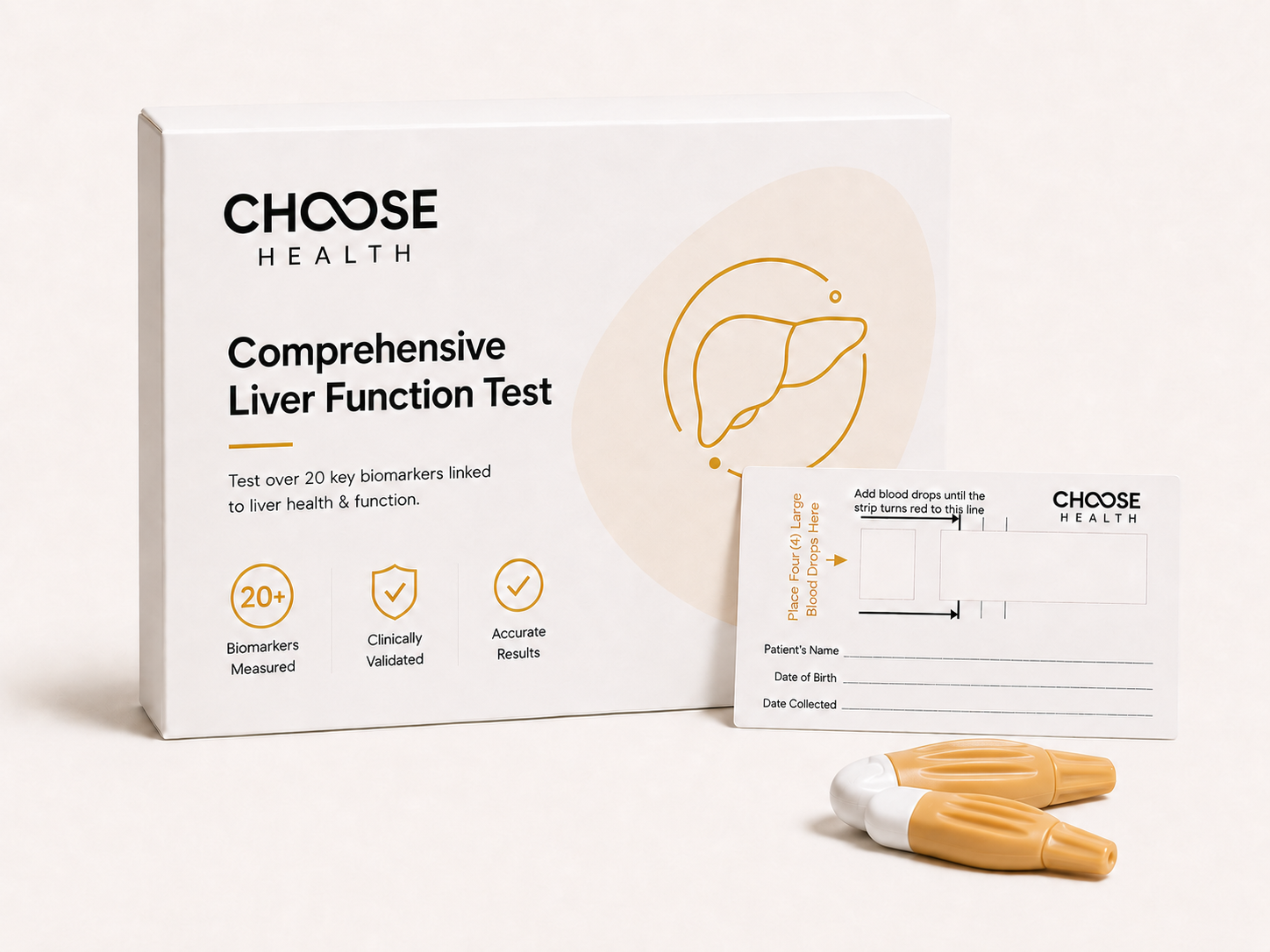
Comprehensive Liver Function Test
ALT, AST, GGT and the AST:ALT ratio alongside cholesterol and metabolic markers. Use the same test before and after to compare the same numbers.
- Liver
- Albumin, AST, ALT, GGT, total bilirubin
- Cardiovascular
- HDL, LDL, triglycerides, ApoA, ApoB
- Metabolic
- Fasting glucose, fasting insulin, HbA1c
- Iron
- Iron status
At-home finger-prick collection. Results in days.
This article is for informational purposes and is not a substitute for medical advice, diagnosis or treatment. If you drink heavily, do not stop abruptly without medical guidance, as alcohol withdrawal can be dangerous. Talk to a healthcare provider about your results and any symptoms.
.jpeg)


.jpeg)